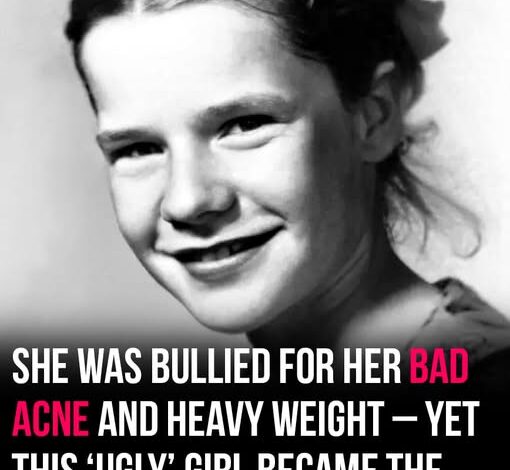
They mocked her long before the world ever heard her sing. On the Texas campuses where she first tried to find her place, the insults followed her everywhere — whispered jokes about her appearance, cruel comments about her acne scars, and taunts meant to push her to the margins. To many of the students around her, Janis Joplin was easy to dismiss, an outsider who didn’t fit the polished image expected of young women at the time.
But the pain of those years didn’t silence her.
Instead, it shaped her.
Every bruise to her confidence seemed to carve something deeper into her voice. When she sang, it wasn’t polished or restrained — it was raw, cracked open, almost painfully honest. Listening to her felt less like hearing a performance and more like witnessing a wound being torn open in real time. She didn’t just sing blues music; she seemed to live inside it.
Janis carried the scars of rejection with her as she moved through the turbulent music scene of the 1960s. She stumbled often, wrestling with loneliness, insecurity, and a growing dependence on drugs and alcohol. Fame arrived suddenly and intensely after her explosive performances with Big Brother and the Holding Company, but the spotlight brought as much pressure as it did praise.
Offstage, she was fragile, often unsure of herself, sometimes painfully aware of the judgments that had followed her since her youth.
Onstage, though, she became something else entirely.
The moment the music started, the shy and wounded woman disappeared. In her place stood a performer who seemed unstoppable — wild, fearless, and completely consumed by the music flowing through her. She howled, screamed, and poured every ounce of emotion into each lyric. Every insult she had ever heard, every doubt she had ever carried, became fuel for the fire she unleashed before the crowd.
Audiences didn’t just watch her perform. They felt her.
Her voice wasn’t perfect in the traditional sense, but it was unforgettable. It cracked with emotion, rose into desperate cries, and dropped into smoky whispers. No one who heard it could mistake it for anyone else. It carried pain, joy, rebellion, and vulnerability all at once.
For many young women watching from the crowd, Janis Joplin represented something entirely new — proof that a woman didn’t have to be delicate or quiet to command a stage. She could be loud, messy, passionate, and unapologetically herself.
But the intensity that fueled her music also burned through her life at a frightening speed.
Janis lived hard, pushing herself to emotional and physical limits that few people could sustain. The same hunger that drove her performances also pulled her toward dangerous escapes. Addiction slowly tightened its grip, even as her fame continued to grow.
By 1970, she was on the brink of releasing Pearl, the album that would later become her most celebrated work. Songs like “Me and Bobby McGee” captured both the freedom she chased and the loneliness that haunted her.
Then, suddenly, everything stopped.
At just 27 years old, Janis Joplin was found dead in a Los Angeles hotel room, the victim of a heroin overdose believed to be caused by an unusually potent batch circulating at the time. The vibrant energy that had electrified audiences only weeks earlier was gone.
The girl who had once been mocked and dismissed had become something far greater than her critics ever imagined.
In her short life, she shattered expectations and carved out space for women in rock music that had barely existed before. She proved that vulnerability could be powerful, that imperfection could be unforgettable, and that authenticity could echo louder than any polished performance.
The people who once laughed at her eventually faded into obscurity.
Janis Joplin did not.
Today, her voice still echoes through speakers and headphones across generations — a fierce, aching sound that refuses to be forgotten. Long after the insults have disappeared, what remains is the music: a howl of defiance, heartbreak, and freedom that continues to remind the world exactly who she was.
History didn’t keep the insults.
It kept the voice. 🎤