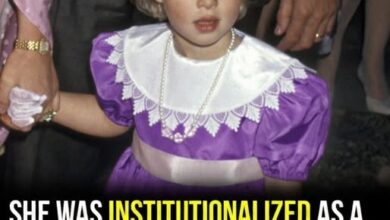
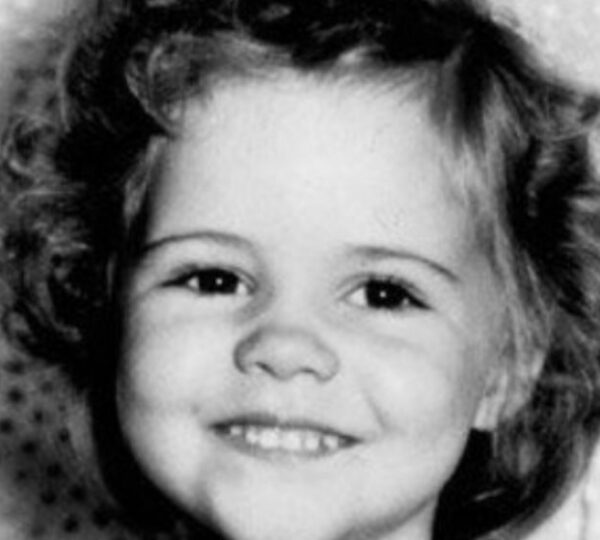
Sally Field, born on November 6, 1946, in Pasadena, California, is regarded as one of the most accomplished and enduring actresses in American entertainment. Over the course of a career spanning more than five decades, she has worked extensively in television, film, and theater, earning admiration for her powerful and emotionally rich performances.
Celebrated for her ability to bring authenticity and emotional honesty to her roles, Field has portrayed a wide range of characters that feel genuine and relatable. Her performances often connect deeply with audiences because they reflect real human experiences, struggles, and triumphs.
Field was raised in a household with ties to the entertainment industry. Her mother, Margaret Field, was a television actress who appeared in numerous shows throughout the 1950s and 1960s. Growing up around the industry gave Sally early exposure to the world of acting and performance.
However, having a connection to Hollywood did not guarantee an easy journey. Field faced significant obstacles as she worked to prove herself as a serious and capable actress. Early in her career, she was often associated with lighter television roles, which made it difficult for some critics and producers to recognize her dramatic potential.
Determined to grow as an artist, Field worked hard to expand her range and take on more challenging roles. Over time, her dedication and talent allowed her to break free from those early expectations and establish herself as one of the most respected performers of her generation.
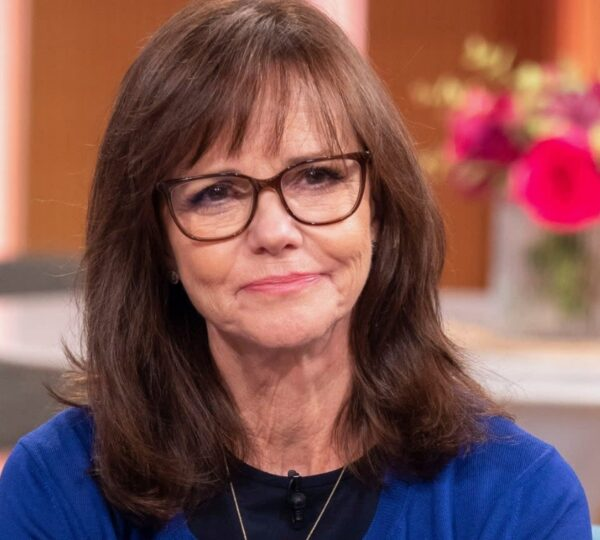
Field’s first significant breakthrough came in the mid-1960s when she was cast in the television series Gidget. Premiering in 1965, the show centered on the lively adventures of a fun-loving teenage surfer navigating friendships, family life, and growing up.
Although Gidget aired for only one season, it quickly developed a devoted following. Field’s energetic presence and natural warmth made a strong impression on viewers, bringing her national attention as an emerging young actress.
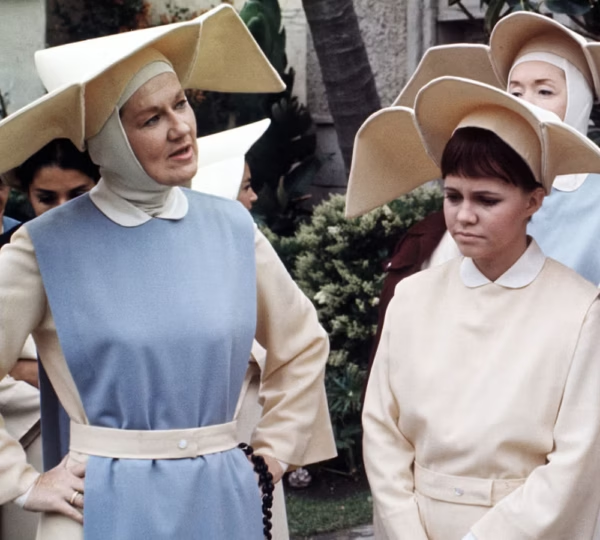
Not long afterward, she secured another well-known role in the television series The Flying Nun, which ran from 1967 to 1970. In the show, Field played Sister Bertrille, a young nun whose lightweight frame allowed her to take flight when caught in strong winds.
The show’s unusual concept attracted considerable attention during its run. Despite the comedic and whimsical premise, Field approached the role with sincerity, demonstrating her ability to bring credibility and heart even to the most unconventional storylines.
During these early years, Field became widely associated with wholesome and lighthearted television characters. However, she soon began seeking opportunities that would allow her to explore more complex and emotionally demanding roles.
By the early 1970s, she made a deliberate effort to reshape her career and public image. Determined to expand her artistic range, Field began studying acting under the guidance of renowned coach Lee Strasberg and pursued roles that would push her beyond the limitations of her earlier television persona.
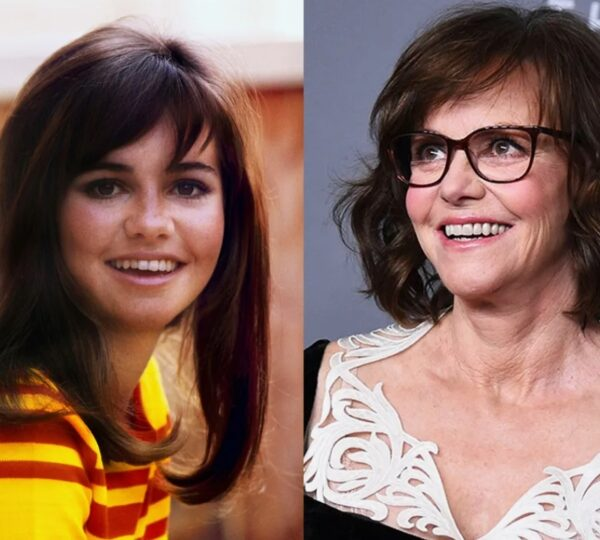
Field’s persistence and dedication began to pay off in 1976 when she took on the leading role in the television film Sybil. The story required her to portray a young woman struggling with dissociative identity disorder, a role that demanded emotional intensity and psychological complexity.
Her performance was widely praised by critics and industry professionals. Many viewed the film as a major turning point in her career, demonstrating that she possessed a powerful dramatic range far beyond the lighthearted television characters she had previously been known for.
The acclaim from Sybil opened new opportunities for Field in the film industry. Soon she began receiving offers for more substantial and emotionally complex roles in cinema.
One of the most significant milestones in her career came with the 1979 film Norma Rae. In the movie, Field played a factory worker who becomes involved in organizing a labor union to fight for better working conditions.
The story focused on themes such as workers’ rights, economic hardship, and the courage required to stand up for justice. Field delivered a deeply moving performance that captured both the strength and vulnerability of a woman determined to challenge unfair treatment.
Her portrayal of Norma Rae Webster earned her the Academy Award for Best Actress, firmly establishing her as one of Hollywood’s most talented performers. The award marked a major turning point in her career and elevated her standing within the film industry.
The role also transformed public perception of Field. She was no longer viewed primarily as a television star but as a serious dramatic actress capable of delivering powerful, award-winning performances.
Throughout the early 1980s, Field continued to build an impressive and respected body of work. She gravitated toward roles that allowed her to explore emotionally rich stories and portray women navigating difficult personal and social challenges.
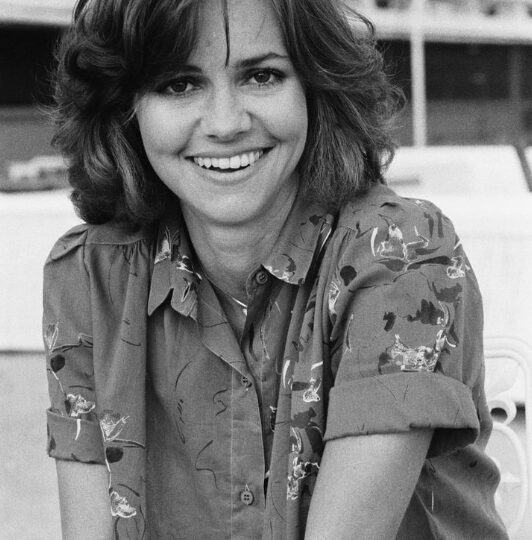
In 1984, Sally Field delivered another powerful performance in the film Places in the Heart. The story centered on a widowed woman determined to keep her family farm alive during the hardships of the Great Depression.
Field portrayed Edna Spalding with remarkable subtlety and emotional depth. Her performance captured the quiet determination of a woman facing overwhelming challenges while still holding onto hope for her family’s future. Audiences and critics alike were deeply moved by the balance of vulnerability and inner strength she brought to the role.
Her work in the film earned her a second Academy Award for Best Actress. During her acceptance speech, she delivered the memorable line, “You like me, right now, you like me,” a moment that quickly became part of pop culture history.
Through the late 1980s and into the 1990s, Field continued to take on memorable roles in a variety of films. One of her most beloved performances came in the 1989 drama Steel Magnolias.
In that film, she played M’Lynn Eatenton, a loving and protective mother facing the devastating illness of her daughter. Field’s emotionally charged performance—especially during the film’s climactic scenes—left a lasting impression on audiences.
Her ability to portray both maternal strength and emotional vulnerability made her particularly compelling in family-centered dramas. Many viewers connected deeply with her characters because they felt authentic and relatable.
Alongside her film work, Field remained active in television. Her guest appearance on the long-running medical drama ER earned her a Primetime Emmy Award for Outstanding Guest Actress.
Even in a brief role, Field delivered a performance that stood out for its emotional intensity and depth. Her appearance is still remembered as one of the most powerful guest performances in the series.
In addition to acting, Field also explored directing. In 1996, she directed the television film The Christmas Tree, demonstrating her interest in storytelling from behind the camera as well as in front of it.
Sally Field’s creative interests have never been limited to acting alone. Over the years, she has spoken frequently about her admiration for the collaborative process of filmmaking and the powerful role storytelling plays in shaping cultural conversations.
In 2012, she appeared in the historical drama Lincoln, directed by Steven Spielberg. The film featured Daniel Day-Lewis in his Academy Award–winning portrayal of President Abraham Lincoln.
Field took on the role of Mary Todd Lincoln, the president’s wife, delivering a complex and layered performance. Critics praised her interpretation of the First Lady, highlighting how she captured both Mary Todd Lincoln’s emotional sensitivity and her strong intellect.
Her performance earned widespread recognition and secured her a nomination for the Academy Award for Best Supporting Actress. The role demonstrated that Field remained a powerful and relevant presence in the film industry even after decades of work.
Beyond her achievements on screen, Field has also been active in social advocacy. Throughout her life, she has supported a variety of causes, including women’s rights, access to healthcare, and equality for LGBTQ+ individuals.
Her activism is closely connected to her personal experiences. Field has often spoken openly about her role as a mother and the importance of supporting families and communities across the country.
She has been especially vocal in her support of LGBTQ+ rights, an issue that holds particular meaning for her because of her son, Sam Greisman, who is openly gay and works within the entertainment industry.
By sharing her personal perspective, Field has helped promote greater awareness and acceptance. Many people respect her willingness to speak honestly about issues affecting marginalized communities.
Over the course of her long career, Field has received numerous awards and honors recognizing her impact on the arts. These acknowledgments celebrate not only her remarkable talen
One of the qualities that has consistently set Sally Field apart from many of her contemporaries is her ability to transition effortlessly between comedic and dramatic roles. Few performers have shown such a broad emotional range while maintaining the same level of authenticity in every performance.
Even after spending more than five decades in the entertainment industry, Field has remained actively involved in film, television, and stage work. Her enthusiasm for acting continues to shine through in each role she takes on.
Generations of viewers have grown up watching her performances. From early television appearances to critically acclaimed films, her work has become woven into the fabric of American popular culture.
Critics often point to her sincerity as the defining strength of her acting style. Field approaches every character with empathy and thoughtful understanding, which allows her portrayals to feel genuine and deeply human.
For aspiring actors, her career stands as a powerful example of perseverance and transformation. Field successfully evolved from a youthful television star into one of the most respected dramatic performers in Hollywood.
Her professional journey demonstrates the value of persistence and artistic growth. By continually seeking new challenges and pushing beyond expectations, she built a career that has remained relevant and meaningful over time.
Today, Field is still widely admired by audiences and colleagues alike. Her performances continue to resonate because of the emotional honesty and depth she brings to every role.
Ultimately, Sally Field’s legacy is defined not only by her many awards and accolades, but also by the profound connection she has created with audiences through decades of storytelling.
Her work reminds viewers that truly memorable acting is rooted in empathy, sincerity, and the ability to capture the complexity of human life.
Through her contributions to television, film, and social advocacy, Field has left a lasting influence on the entertainment world and on the many people who have been touched by her performances.