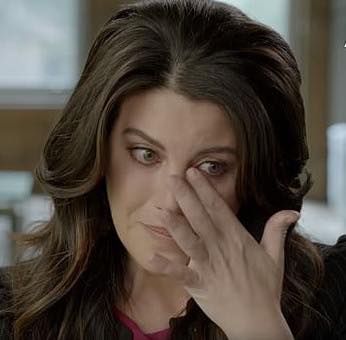
The diagnosis arrived with a quiet, almost surreal weight. Monica Lewinsky, a figure whose name once symbolized public scrutiny at its cruelest, now confronted a different kind of vulnerability—one both private and universal. Alone in her New York apartment, fevered and fatigued, she was forced to reckon with a virus that reminded her, in its silent, invasive way, of the relentless attention that had once defined her life. The isolation was familiar, though the context was entirely new: this time, the confinement was for health, not for judgment, yet the memory of a global audience—watching, whispering, dissecting—lingered like a shadow across the room.
For decades, Lewinsky’s name had been weaponized, her youth and mistakes transformed into cultural shorthand for disgrace. Now, in the quiet of quarantine, she confronted the irony: a viral infection echoing the viral spread of her own story in 1998. The fever, the cough, the hours alone with her thoughts—all became a mirror, reflecting the vulnerabilities that were once exploited for clicks, headlines, and commentary. Each symptom served as a reminder of the fragility of privacy, the fragility of control, and the contrast between bodily vulnerability and the kind of exposure she had endured at the height of the scandal.
Yet, within this quiet crisis, there was also a deeper resonance. Lewinsky’s journey from object of ridicule to advocate and cultural commentator illustrates a radical reclamation of agency. She transformed the internet that once amplified her humiliation into a platform for education and empathy, speaking out against cyberbullying and the culture of public shaming. Her own experiences became tools to teach responsibility, compassion, and reflection, turning what was once a source of trauma into a medium for advocacy.
The COVID-19 diagnosis, then, is more than a personal health event. It crystallizes the tension between past and present: the culture that once consumed her still exists, invasive and judgmental, yet she has grown into a position of influence and resilience. Lewinsky’s survival, both literal and symbolic, underscores her endurance. It demonstrates how trauma can be transformed into strength and how a once-silenced voice can become a powerful instrument for change.
In isolation, she inhabits two timelines simultaneously: the 24-year-old who endured the unforgiving glare of public scrutiny, and the 44-year-old who has learned to navigate life on her own terms. The virus confines her body, but it cannot contain her story, her voice, or the lessons she offers about dignity, courage, and the importance of empathy in an interconnected, judgment-heavy world. In a strange, almost poetic symmetry, Lewinsky’s COVID-19 experience mirrors the isolation of her past—but now she commands the narrative, using it to illuminate, educate, and advocate, turning confinement into reflection, and reflection into action.
Her story, in this moment, becomes a meditation on resilience: on how one survives the cruelty of the world, how one harnesses past pain to protect others, and how one maintains agency over a life once defined by the relentless, unkind gaze of millions. Monica Lewinsky’s isolation is quiet, but her reclamation is profound. It is a testament to endurance, insight, and the power of turning vulnerability into voice.