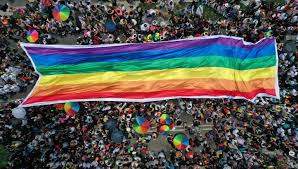
In an unexpected and contentious development, a boycott is gaining traction against Hollywood actor Kurt Russell following his recent remarks about children being exposed to LGBTQ themes in cartoons.
Russell, a veteran actor with a career spanning multiple decades, stated that he believes children should be brought up with “traditional values” and shielded from adult-oriented topics at a young age.
His comments have ignited significant backlash and prompted calls for action from various communities.
Russell’s Controversial Remarks
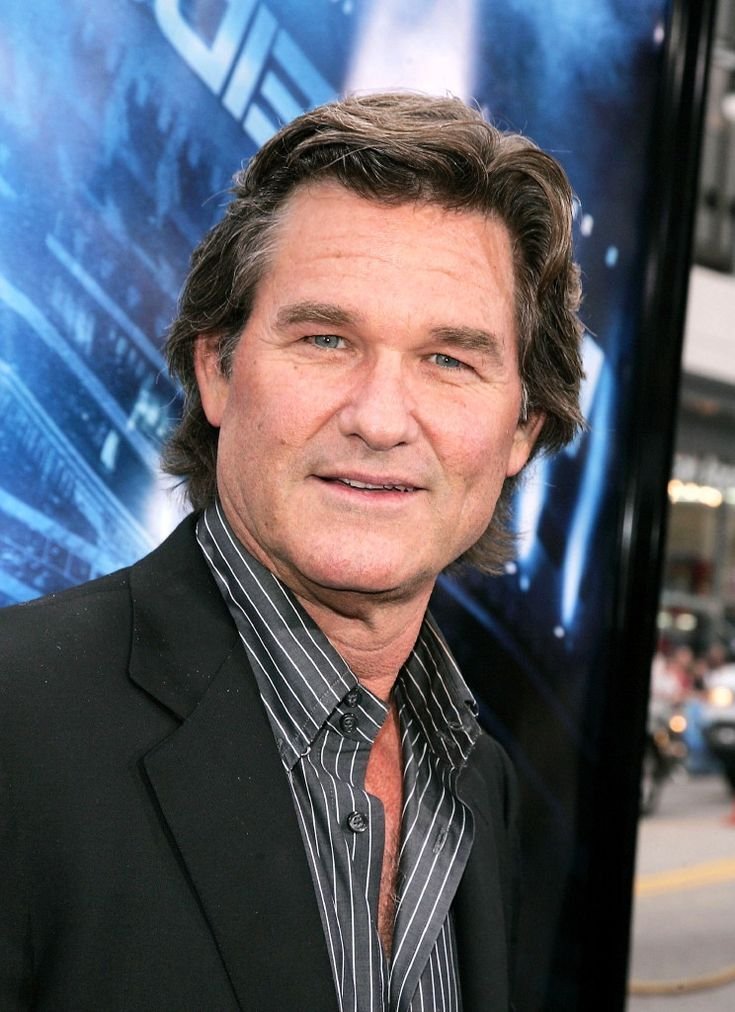
Kurt Russell made headlines when he said in a recent interview that children should not be exposed to cartoons featuring LGBTQ themes.
He argued that such content could complicate a child’s innocent worldview and called for a return to what he described as traditional values in child-rearing.
According to Russell, adults should let children enjoy their childhood without introducing complex social issues too early in life.
His remarks have sparked significant backlash, particularly from LGBTQ advocates and allies, who emphasize that representation in media is essential for fostering understanding and acceptance among young audiences.
Critics also argue that exposure to diverse perspectives can help children develop empathy and respect for others, regardless of identity.
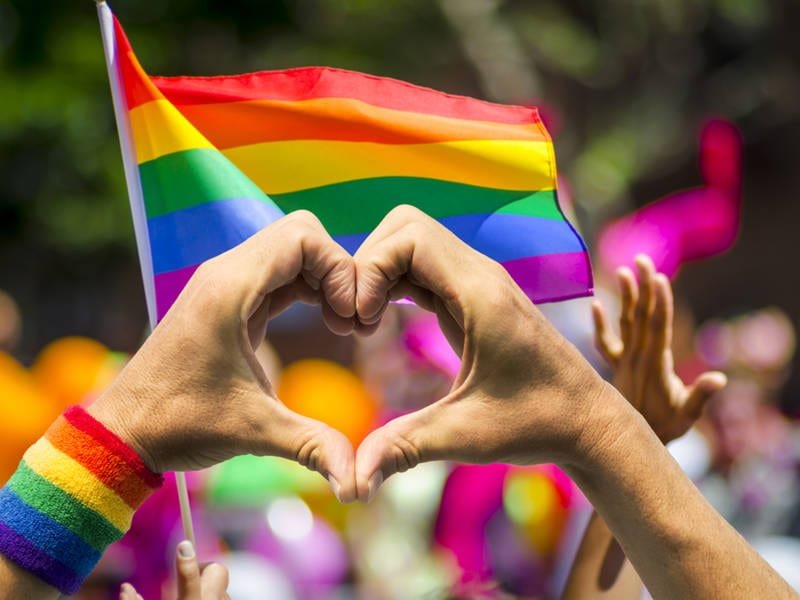
In response to Kurt Russell’s remarks, many people have announced plans to boycott him. This includes individuals pledging not to watch his films or follow his appearances in entertainment media.
Social media has become a battleground for supporters of the boycott, with numerous users sharing posts calling for collective action against the actor. The movement has also drawn attention from organizations and activists advocating for a more inclusive media landscape. As a result, brands and groups associated with Russell are feeling pressure to distance themselves, concerned about backlash from consumers who support LGBTQ rights.
Cultural Context and Implications
The conversation around Russell’s comments underscores a broader cultural clash between traditional and progressive values in society. While some emphasize maintaining conventional viewpoints on child-rearing and cultural representation, others argue that media must reflect the diversity of modern life.
The debate raises important questions about the role of media in shaping children’s understanding of the world. Advocates for LGBTQ representation stress that inclusive storytelling not only educates children but also normalizes diverse identities, promoting a culture of acceptance and empathy.
Importance of Representation in Media
Child development experts highlight the significance of representation in media. Exposure to diverse characters and stories can reduce stigma, foster empathy, and help children understand the complexities of the world. Seeing LGBTQ individuals represented may make it easier for children to accept their own identities or those of their peers. Diverse media can also challenge stereotypes, reduce bullying, and encourage healthier interactions among children.
Community Response and Reflection
As the boycott gains momentum, many in the entertainment industry are reflecting on the implications of Russell’s comments and public feedback. Fellow actors and public figures have voiced support for LGBTQ representation, emphasizing that inclusive storytelling enriches society.
Open discussions about the values society wishes to impart to future generations are crucial in shaping a more understanding, accepting, and inclusive world.
Conclusion
The backlash against Kurt Russell highlights the tensions present in contemporary debates over media representation and traditional values. As the boycott continues, its impact on Russell’s career and public image remains to be seen.
For many, this controversy is not just about one actor’s remarks—it reflects the ongoing struggle for equality, representation, and understanding in society. Moving forward, it is vital to approach these discussions with empathy and a commitment to learning from differing viewpoints. The ultimate goal should be a media landscape that celebrates all identities, allowing children to grow up in a world that embraces diversity rather than fears it. Achieving this will require collective effort and a willingness to listen and learn from one another.