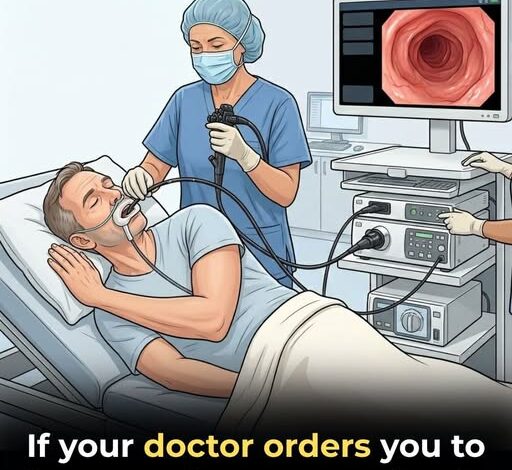
The very mention of a colonoscopy can make even the calmest person uneasy. Few medical procedures carry the same weight in people’s minds, often bringing up images of discomfort, embarrassment, and the fear of what might be discovered. Despite living in an age where information is readily available, colonoscopies still carry a lingering stigma—fueled by exaggerated stories about preparation and a general discomfort with the idea of invasive screening. But when you move past the jokes and hesitation, what emerges is something far more important: a highly advanced, life-saving tool that plays a critical role in preventative healthcare. Understanding its purpose can shift the perspective from fear to empowerment.
Doctors don’t recommend colonoscopies casually. Unlike many tests that only identify problems after they’ve developed, this procedure has the unique ability to prevent disease before it starts. Many colorectal conditions, including cancer, develop quietly over time. They rarely produce noticeable symptoms in their early stages, which makes early detection difficult without screening. Most colorectal cancers begin as small, noncancerous growths called polyps. During a colonoscopy, these can be detected and removed immediately—often eliminating the risk before it has a chance to grow into something more serious. In that sense, the procedure is not just diagnostic; it’s preventative.
The reality of the experience is far less intimidating than many expect. Medical advancements have made colonoscopies relatively quick and comfortable. Patients are typically given light sedation, allowing them to remain relaxed and largely unaware during the procedure, which usually lasts under half an hour. Many people report that it feels like a brief nap, waking up surprised that it’s already over. For most, there is little to no physical discomfort during the exam itself.
If there’s one part people tend to dread, it’s the preparation. The day before requires a clear liquid diet and a cleansing process to ensure the colon is fully visible. While it can be inconvenient and unpleasant, it has improved significantly over the years. Newer preparation methods are easier to manage and require less volume than older approaches. Though not enjoyable, this short period of inconvenience plays a crucial role in ensuring accurate results—and it’s temporary.
Delaying or avoiding a colonoscopy due to fear can carry serious risks. Colorectal cancer remains one of the leading causes of cancer-related deaths, yet it is also one of the most preventable when detected early. When found in its initial stages, treatment outcomes are highly favorable. Waiting until symptoms appear—such as pain, changes in digestion, or unexplained weight loss—often means the condition has progressed, making treatment more complex. Early screening offers a significant advantage.
Increasingly, healthcare professionals are encouraging people to view colonoscopies not as something to dread, but as an act of proactive self-care. In a world where people invest heavily in wellness routines, this procedure stands out as one of the most impactful steps one can take for long-term health. Asking questions, understanding the process, and preparing properly can help replace uncertainty with confidence.
At its core, a colonoscopy is about gaining clarity and control over your future health. It provides reassurance when everything is normal and early intervention when something isn’t. Rather than seeing it as an unpleasant obligation, it can be viewed as a powerful decision—one that prioritizes longevity, well-being, and peace of mind.