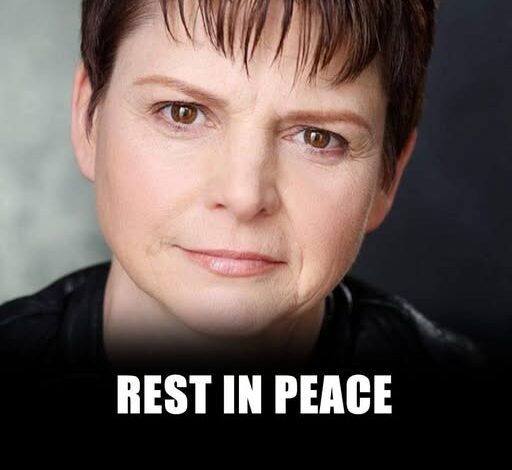
She arrived in the city the way so many hopefuls do—carrying a scuffed suitcase, navigating endless commutes, and holding tight to a quiet, unshakable belief that somewhere, somehow, the right room or the right line would change everything. Between long shifts at JFK and the hum of late-night subway rides, Wenne Alton Davis built something that couldn’t be measured in credits alone. She learned to command attention not by demanding it, but by earning it—first through humor that disarmed a room, then through a presence so grounded and sincere that people leaned in without realizing why.
She didn’t chase the spotlight in the way others did. Instead, she became the kind of performer—and person—who could transform even the smallest moment into something lasting. Whether it was a background role, a brief scene, or a passing exchange, she carried a quiet gravity that made people remember her. Offstage, that same energy followed her. She listened when others spoke, noticed when someone was struggling, and made space for people who often felt invisible in an industry that moves too fast to look back.
Now, the corner of West 53rd and Broadway feels different. It has become something like a stage, though not the kind she once worked toward. Flowers sit in makeshift arrangements, their petals beginning to curl at the edges. Candle wax gathers in uneven pools on the pavement, marking the exact place where her story came to a sudden, unimaginable halt. People come and go—friends, castmates, acquaintances—but they all linger just a little longer than they intend to, as if staying might somehow hold time in place.
They speak about her in fragments that slowly form a whole: how she waited with you after a brutal audition when you didn’t want to go home alone, how she checked in with a simple text that somehow arrived at exactly the right moment, how she found kindness even when the industry seemed determined to strip it away. She had a way of reminding people who they were when they started to forget.
On paper, her work may live on in brief appearances, in scenes where her name might not be the first one remembered. But in the stories exchanged backstage, in green rooms, and over late-night drinks after long rehearsals, she occupies a much larger space. In those memories, she isn’t on the edges—she’s at the center, holding people together in ways they’re only now beginning to fully understand.
The city, as it always does, keeps moving. Trains still run, crowds still gather, lights still change. But for those who knew her, there are pauses now—small, stubborn interruptions in the rhythm of it all. A glance at that corner. A message almost sent. A memory that refuses to fade. And in those moments, in those quiet acts of remembrance, they make sure she is not just another story the city leaves behind.