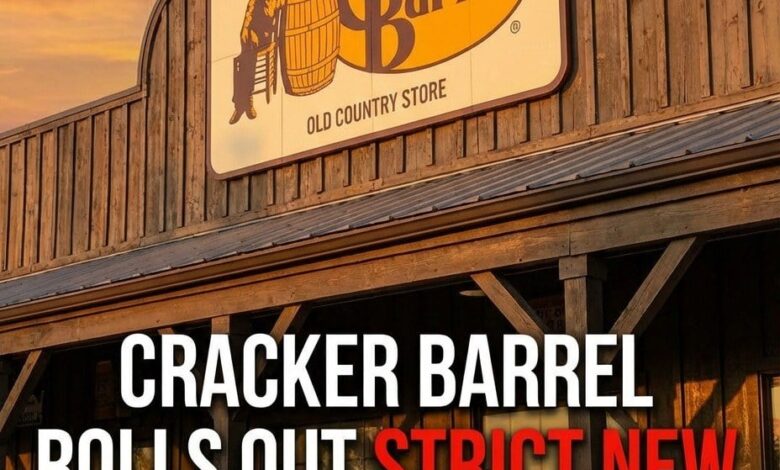
For decades, Cracker Barrel represented a very specific kind of comfort—one rooted in nostalgia as much as food. The front-porch rocking chairs, the cluttered country store, and the familiar smell of biscuits and gravy weren’t just design choices; they were part of an emotional experience people returned to again and again.
So when the company began updating its logo and refreshing its interiors, the intention wasn’t to abandon that identity—it was to keep the brand alive in a rapidly shifting dining landscape. Customer expectations have changed, competition has intensified, and even legacy brands have to evolve to stay relevant.
But for many loyal customers, even subtle changes felt personal.
A lighter logo. Cleaner layouts. Slightly modernized spaces. To new visitors, these might seem like minor adjustments. To longtime patrons, they disrupted something deeper—a sense of continuity, tradition, and memory. What the company saw as necessary adaptation, some customers saw as a loss of authenticity.
As criticism grew louder, leadership didn’t ignore it. Instead, they recalibrated.
Familiar visual elements began to return—warmer tones, more traditional décor touches, and a renewed emphasis on the “old country store” atmosphere. At the same time, less visible improvements continued behind the scenes: operational upgrades, menu refinements, and efforts to streamline the overall dining experience.
It became a balancing act between past and future.
Complicating matters further were internal discussions that spilled into public view. Reports about employee travel guidance—particularly suggestions that staff dine at company locations while on the road—raised questions about corporate culture and reimbursement policies. While the company clarified that these were recommendations rather than strict requirements, the situation highlighted the importance of transparency, especially for a brand built on trust and familiarity.
In response, Cracker Barrel took steps to better define its policies and communicate them more clearly, reinforcing the idea that modernization doesn’t just apply to aesthetics—it also applies to how a company operates internally.
Ultimately, the situation reflects a broader reality facing many legacy brands:
Change is inevitable.
But how that change is handled determines whether a brand evolves… or alienates the very people who made it iconic.
For Cracker Barrel, the lesson is still unfolding. Stay too rigid, and you risk becoming outdated. Move too fast, and you risk losing your identity.
Somewhere in between is the delicate space where tradition and transformation can coexist—and where a brand’s future depends on remembering exactly why people fell in love with it in the first place.