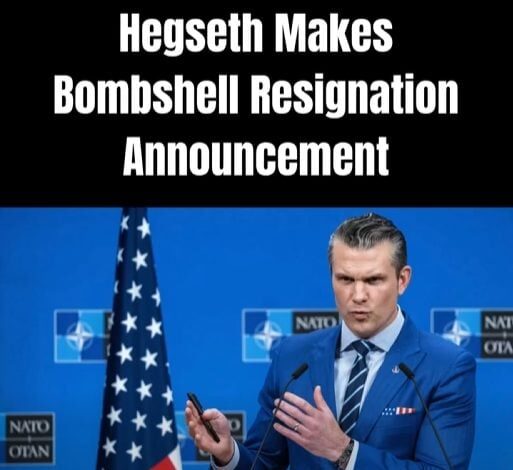
Set against the soft, almost ceremonial backdrop of the Easter Egg Roll, Pete Hegseth cast the controversy not as a technical misstep, but as a struggle for influence within the Pentagon. In his telling, the uproar reflects a deeper internal clash—one fueled by what he describes as “disgruntled former employees” and a media ecosystem he believes remains fixated on anonymous sourcing and lingering Trump-era narratives. The framing is deliberate: not just a defense, but a repositioning of the issue as political combat rather than procedural failure.
To his supporters, the backlash echoes past controversies they view as overblown or politically motivated, often compared to earlier investigations that became deeply polarizing. From that perspective, the Signal-related criticism feels less like a new revelation and more like a familiar pattern. But for critics, the stakes are far more concrete. The idea that sensitive operational details—particularly those tied to active military decisions—could circulate in private, unsecured channels raises serious concerns about judgment, discipline, and the potential risks to personnel on the ground.
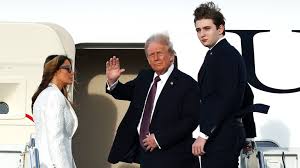
The situation has been further intensified by the response from Donald Trump, whose public support has effectively elevated the issue beyond a standard controversy. His backing, repeated more than once, signals that this is not merely about policy or protocol—it’s also about loyalty. That dynamic shifts the conversation, turning what might otherwise remain a security-focused debate into a broader political test within his orbit.
Meanwhile, the White House has dismissed reporting from outlets like NPR as unreliable, reinforcing a familiar divide between institutional media and administration allies. On the other side, Democratic critics argue that even the perception of mishandling sensitive information—especially in a casual or private setting—is disqualifying for anyone involved in national security decisions. For them, the issue is less about intent and more about standards.
For now, Hegseth remains in a stable position, protected in part by presidential confidence and a narrative that emphasizes results over process. The military operation in Yemen, described by allies as highly successful, has become a key point in that defense—evidence, they argue, that outcomes matter more than controversy. Still, the political consequences are not settled. As scrutiny continues and narratives harden, the episode sits at the intersection of governance, perception, and power—where the final judgment is often shaped as much by allegiance as by facts.