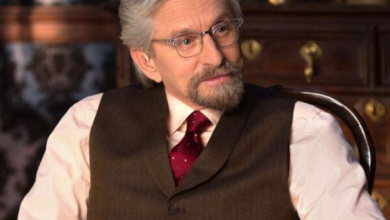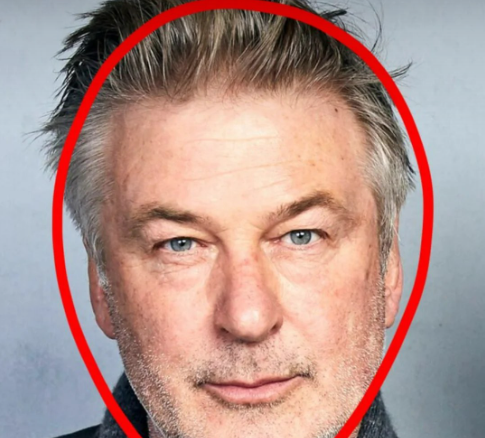
The stillness of a New Mexico ranch was broken in an instant—one gunshot that would ripple far beyond a single film set. What began as a routine rehearsal for the independent Western Rust became a defining tragedy for the modern film industry. At the center of it all was Alec Baldwin, whose involvement in the accidental discharge of a prop firearm led to the death of cinematographer Halyna Hutchins and the injury of director Joel Souza. The moment did more than take a life—it exposed deep cracks in the systems meant to protect those working behind the scenes.
On that afternoon at Bonanza Creek Ranch, the set carried the usual intensity of a production in motion. Baldwin, both lead actor and producer, was rehearsing a cross-draw with a Colt revolver. He had reportedly been told the weapon was “cold,” industry language indicating it contained no live ammunition. But when the gun discharged, it fired a real round. The bullet struck Hutchins and then Souza, turning a controlled rehearsal into chaos within seconds. Emergency efforts followed immediately, but Hutchins later died after being airlifted to a hospital—an outcome that stunned the industry and those who knew her work.
The legal aftermath quickly unfolded, revealing troubling details. Investigators focused on the roles of armorer Hannah Gutierrez-Reed and assistant director David Halls, examining how a live round could have made its way onto set. Reports pointed to prior safety concerns, including earlier accidental discharges and a crew walkout tied to working conditions. Prosecutors described an environment where basic protocols were not consistently enforced. Baldwin himself faced involuntary manslaughter charges, an extraordinary development given his status, while his defense emphasized reliance on trained crew responsible for firearm safety. The case became a complex intersection of individual responsibility and systemic failure.
Beyond the courtroom, the tragedy forced a broader reckoning. For decades, the use of real firearms loaded with blanks has been standard practice in filmmaking, valued for realism. But Hutchins’ death shifted that conversation dramatically. Industry professionals, unions, and high-profile figures began calling for change—some advocating for a complete ban on functional firearms on sets. Alternatives such as replica weapons and advanced CGI effects have gained momentum, driven by a growing belief that no visual authenticity is worth risking human life.
As the industry reflects, the legacy of the incident remains deeply personal as well as professional. Halyna Hutchins was not only a talented cinematographer on the rise, but also a mother and creative force whose future was abruptly taken. Her loss continues to resonate in conversations about safety, accountability, and the human cost behind entertainment.
While legal outcomes and industry reforms continue to evolve, the impact of that day is already clear. It has reshaped expectations, challenged long-standing practices, and underscored a fundamental truth: the responsibility to protect lives on set cannot be secondary to the pursuit of realism.