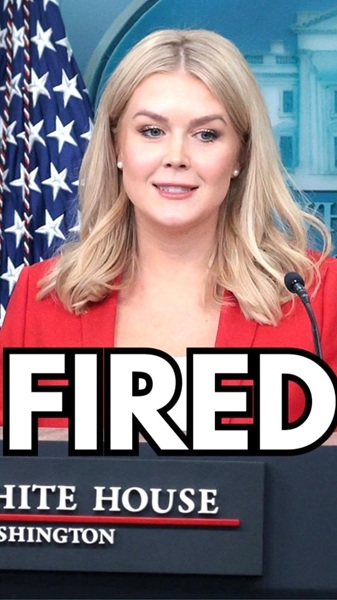
The organization and leadership of emergency management at the federal level in the United States have long been topics of political discussion, especially during periods of crisis and recovery.
Debates about disaster response systems often mirror broader ideological views regarding how much responsibility the federal government should hold.
In recent years, attention has increasingly focused on potential changes to the Federal Emergency Management Agency (FEMA). Lawmakers, policy experts, and emergency professionals continue to explore how responsibilities for disaster relief should be divided between national and state governments.
A central question in these discussions is whether a unified federal approach or a more state-driven system is better suited for managing large-scale disasters. Each model offers advantages but also introduces notable limitations depending on the situation.
Political reports and discussions have occasionally pointed to disagreements among leadership about FEMA’s future direction. These debates often revolve around funding decisions, operational authority, and finding the right balance between efficiency and comprehensive nationwide support.
At the core of the issue is determining how to deliver fast and effective aid to communities impacted by events such as hurricanes, wildfires, and floods—especially when local systems are overwhelmed.
Some policymakers argue that states are more capable of handling disaster response because they better understand local conditions, infrastructure, and community needs. This viewpoint emphasizes flexibility and quicker decision-making.
Others advocate for a strong federal presence, noting that disasters frequently span multiple states and require coordinated national resources, funding, and expertise that individual states may not be able to provide alone.
Emergency management specialists often point out that FEMA was originally established to act as a central coordinating body, capable of deploying large-scale support when state and local systems are stretched beyond capacity.
The agency plays a key role in distributing financial assistance, organizing emergency personnel, and supporting long-term recovery efforts that can extend for months or even years.
Opponents of reducing federal involvement highlight that many states face financial limitations, making it difficult for them to independently manage major disasters without federal support.
They also warn that unequal resources among states could lead to inconsistencies in preparedness and response, leaving some regions more vulnerable during emergencies.
On the other hand, supporters of decentralization argue that limiting federal control could reduce bureaucratic delays and allow for more customized responses based on regional needs.
This perspective is often framed as a way to increase efficiency and lower government spending, particularly where overlapping responsibilities between agencies may slow down response times.
However, disaster response experts caution that effective coordination is essential, and dividing responsibilities too much can create confusion during critical situations.
Major disasters often require rapid deployment of resources such as medical teams, search and rescue units, temporary housing, and financial aid—efforts that tend to benefit from centralized coordination.
Another important factor is long-term recovery, which includes rebuilding infrastructure, assisting displaced populations, and restoring economic stability. Federal involvement has historically helped ensure a consistent level of support across different states, regardless of their financial capacity.
Discussions about FEMA’s future have also been shaped by past controversies related to spending, resource distribution, and crisis management. These debates tend to resurface during election cycles or periods of political tension.
Emergency management professionals emphasize that any structural changes should be guided by evidence and lessons learned from previous disasters, including both successes and failures in coordination and communication.
A growing concern is the increasing frequency and intensity of natural disasters. Climate change, population growth in high-risk areas, and aging infrastructure are all contributing to more complex emergency situations.
Because of this, many analysts warn that reducing federal capabilities without strengthening state-level systems could create gaps in preparedness and response.
Such gaps may become especially apparent during simultaneous disasters affecting multiple regions, where rapid nationwide coordination is crucial.
Advocates for maintaining a strong federal role often cite historical examples where national coordination prevented situations from becoming significantly worse.
At the same time, there is broad agreement that improvements can still be made within the current system. Enhancing technology, improving data sharing, and strengthening cooperation between agencies are commonly suggested areas for progress.
Public confidence is also a critical component of effective disaster response. Communities depend on clear communication and timely assistance during emergencies, and maintaining trust requires consistent performance and strong leadership.
Ultimately, the debate over FEMA reflects larger questions about governance, accountability, and how best to protect citizens in times of crisis.
While opinions differ on the ideal structure, there is general consensus that preparation, coordination, and sufficient funding are essential for any successful disaster response system.
As policymakers continue to consider reforms, past experiences remain an important guide in shaping future strategies.
Ongoing collaboration between federal and state authorities, along with input from emergency professionals, will be vital to developing practical and effective policies.
Looking ahead, disaster response will remain a key public policy issue, especially as new challenges emerge.
Finding the right balance between efficiency and comprehensive support will continue to be a major focus, requiring thoughtful and informed decision-making.
The ultimate objective is to build a system that can respond quickly, adapt to evolving conditions, and provide meaningful assistance to those affected.
Regardless of the approach taken, protecting communities and ensuring their well-being must always remain the highest priority.