Mom, 34, diagnosed with stage 3 cancer reveals her one symptom that she dismissed as ‘sitting too long’ at desk

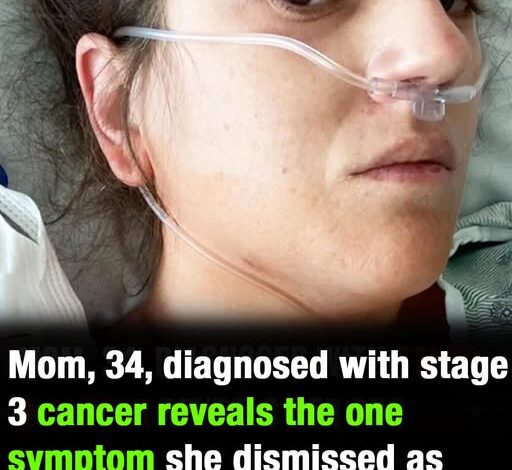
Courtney’s symptoms were brushed aside as simple fatigue.
Her back hurt constantly. Her hearing started fading. One side of her face began to droop. Yet every time she sought help, she was told the same thing—nothing was wrong. So she kept going. Back to work. Back to her routine. Back to pretending everything was fine, even when it clearly wasn’t.
Then, during what was meant to be a relaxing vacation, she noticed something new—a lump forming on her neck. That moment would finally change everything.
By the time doctors took a closer look at Courtney Liniewski, a 34-year-old mother from Milwaukee, her illness had already advanced to stage 3B follicular lymphoma—a rare and aggressive blood cancer typically seen in much older men.
For months, she had tried to rationalize the signs. The persistent pain between her shoulders felt like bad posture. The hearing problems, constant congestion, and even the facial drooping were dismissed as migraines or stress. Each explanation seemed easier to accept than facing a more serious possibility.
But her body never stopped warning her.
It wasn’t until the lump on her neck—about four centimeters in size—appeared that doctors began to investigate further. That one visible symptom led to more testing, and finally, answers. Unfortunately, the truth was far more serious than anyone had expected.
She was told that without immediate treatment, she might have only weeks to live.
That moment changed everything.
Now, three years later, Courtney is cancer-free. But the experience has stayed with her. Every ache, every unusual feeling carries a different meaning now—a reminder of how easily serious conditions can be overlooked.
Today, she shares her story with a simple but powerful message: listen to your body.
Symptoms that seem minor or easy to ignore can sometimes signal something much more serious. If something feels off, don’t dismiss it. Keep asking questions. Seek second opinions if needed. Trust your instincts—because advocating for your health could save your life.