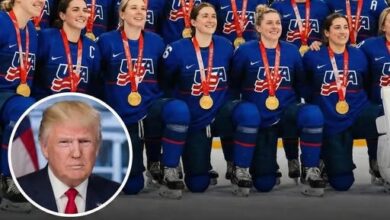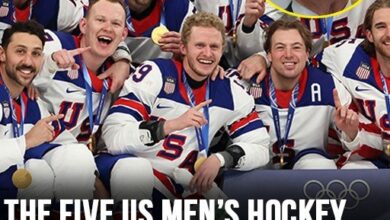
Conversations blending politics and sports have resurfaced during the Winter Olympic season, sparked this time by remarks from JD Vance and the public reaction involving freestyle skiing standout Eileen Gu. As often happens when the Olympics capture global attention, moments of athletic excellence have unfolded alongside broader debates about identity, representation, and how — or whether — political viewpoints belong in international competition.
Situations like this are hardly new. The Olympics have long existed at the crossroads of sport and symbolism, where individual athletes are sometimes seen as representatives of far more than their personal achievements. In that environment, comments made off the field can echo just as loudly as performances on it, fueling discussion well beyond the slopes.
It is also important to ground the conversation in verified facts. The upcoming 2026 Winter Olympics are scheduled to be hosted in Milan and Cortina d’Ampezzo. As of now, those Games have not yet taken place, meaning no medals have been awarded and no records have been set.
For that reason, any claims about final standings, historic medal counts, or definitive outcomes tied to 2026 remain purely speculative. Until the competitions actually occur, results — and the narratives built around them — are still unwritten.
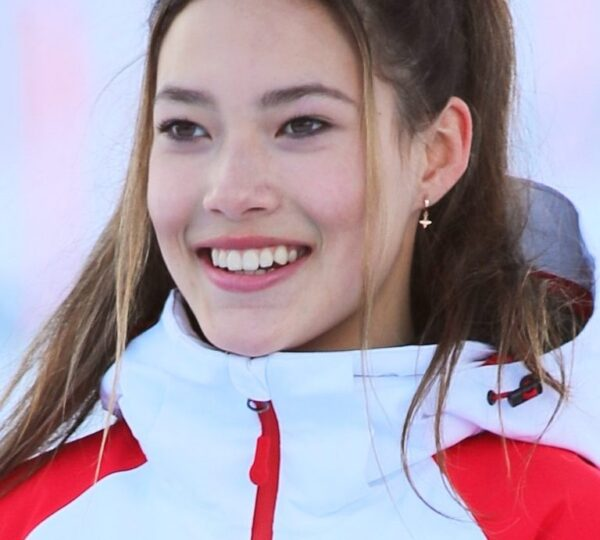
Much of the debate surrounding Eileen Gu — including questions about nationality, Olympic allegiance, and political interpretation — traces back to events surrounding the 2022 Winter Olympics and the period that followed.
Gu, born in San Francisco in 2003, rose quickly to prominence as one of freestyle skiing’s most exceptional talents. In 2019, she made the highly publicized decision to represent China in international competition rather than the United States. That choice immediately drew global attention, largely because she was raised and trained in California and had long been viewed as a future cornerstone of Team USA.
Her competitive results only amplified the spotlight. At the Beijing Games, Gu delivered a historic performance, earning two gold medals and one silver while competing in big air, halfpipe, and slopestyle for China. Those victories not only cemented her as one of the most accomplished freestyle skiers of her generation, but also intensified public discussion about identity, loyalty, and the meaning of national representation in modern sport.
Such questions are not unprecedented in Olympic history. The International Olympic Committee permits athletes with dual nationality to compete for either country, provided they satisfy eligibility rules and follow the appropriate federation and waiting-period requirements when changing representation. Under IOC guidelines, holding citizenship in more than one nation allows for choice — though that choice can carry cultural and political weight far beyond the competition itself.
In Gu’s case, her success transformed a regulatory technicality into a global conversation, one that continues to shape how audiences interpret her achievements both on and off the snow.
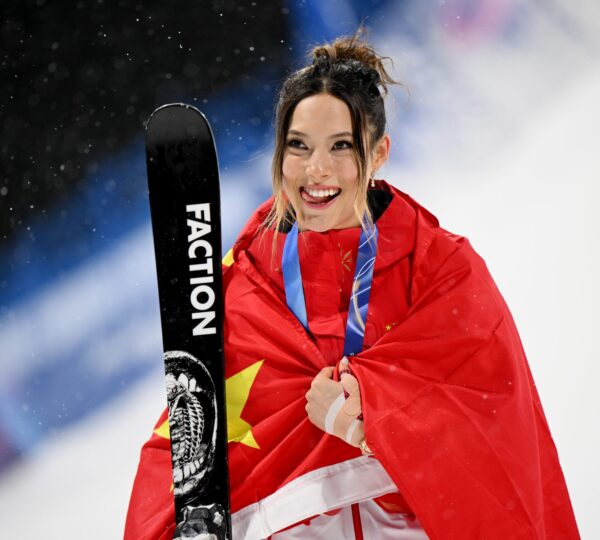
China’s official stance on citizenship complicates the discussion further, as the country does not formally recognize dual nationality. This has contributed to ongoing public curiosity and speculation regarding Eileen Gu’s exact citizenship status. Gu herself has not provided extensive public clarification, and the International Olympic Committee primarily assesses eligibility rather than requiring athletes to disclose passport details or citizenship documents publicly.
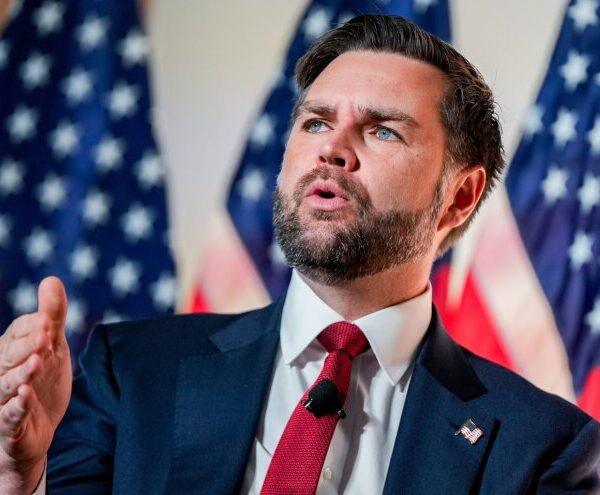
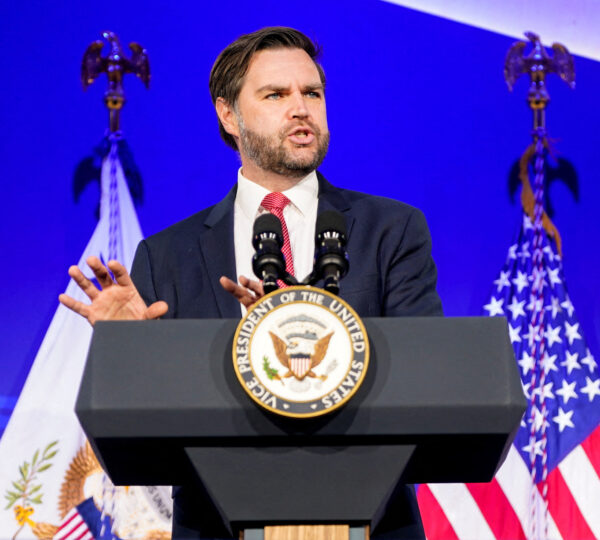
The political dimension reignited when remarks attributed to Vice President JD Vance criticized U.S. athletes who voice political opinions during international competitions. Vance argued that major sporting events like the Olympics should prioritize athletic performance over political messaging. According to reports, he suggested that athletes who engage in political commentary should be prepared for public scrutiny and debate.
Vance also questioned whether athletes who grew up and were educated in the United States should compete for other nations, emphasizing that those who benefited from American institutions might reasonably be expected to represent Team USA. While his statements did not propose changes to Olympic eligibility rules, they intensified ongoing debates about national loyalty, patriotism, and the intersection of sports and political expression on the world stage.
This combination of citizenship ambiguity, high-profile athletic achievement, and political commentary has kept Gu at the center of global discussion, illustrating how international sports can intersect with broader cultural and political conversations.
Gu addressed the political scrutiny surrounding her choices directly. When asked whether she felt singled out in American commentary, she acknowledged that criticism often centers disproportionately on her decision to compete for China, rather than on her athletic performance. She noted that much of the public reaction reflects broader geopolitical tensions rather than purely sporting considerations.
In multiple interviews, Gu has emphasized that athletes around the world frequently compete for nations other than their country of birth, and that such decisions are a well-established aspect of international sport. She consistently frames her choice in personal and aspirational terms rather than political ones. According to her statements, her primary goal is to inspire young girls and expand opportunities in freestyle skiing—particularly in China, where interest in winter sports has surged in recent years.
Gu has described herself as both American and Chinese, reflecting the multicultural environment in which she was raised. Born to Chinese mother Yan Gu and an American father, Eileen grew up largely under the guidance of her mother in San Francisco. Her mother, a chemist and biochemistry scholar, had also participated in speed skating while attending Peking University, passing along an early appreciation for athletic discipline.
Eileen Gu began skiing at a young age, often training in Lake Tahoe, and quickly displayed a natural talent for freestyle events. By her early teens, she was competing at high levels, regularly earning podium finishes at FIS Freestyle Skiing World Cup events and X Games competitions. Her rapid ascent culminated in her Olympic debut, solidifying her as one of the sport’s most decorated young athletes and demonstrating how skill, training, and dedication can intersect with complex cultural and national identities.
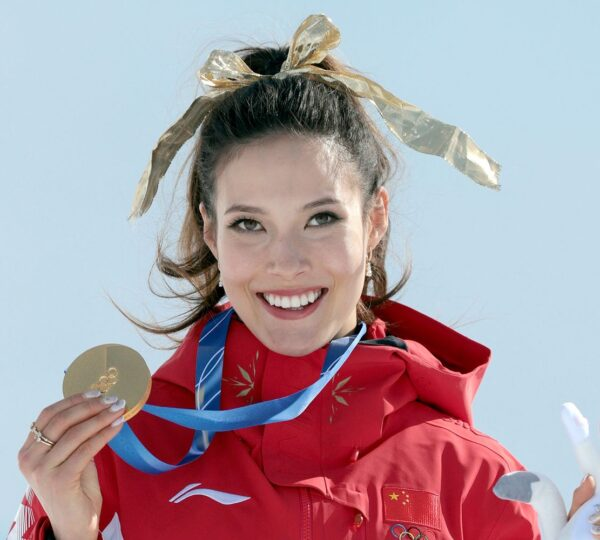
By choosing to compete for China, Gu became a visible figure in efforts to expand winter sports participation across the country, particularly in the lead-up to the 2022 Beijing Winter Olympics. Her podium finishes—including two golds and a silver—propelled her into the global spotlight, making her one of the most recognizable faces of the Games and a symbol of China’s growing presence in winter sports.
The conversation sparked by JD Vance’s comments underscores the enduring intersection of sports and politics. Historically, the Olympics have served not only as a competition of athletic skill but also as a stage for symbolic representation. From Cold War-era boycotts and rivalries to modern debates about athlete activism, the Games have often mirrored global tensions and national priorities.
Opinions differ widely. Some insist athletes should remain focused strictly on performance, avoiding political commentary to preserve the spirit of competition. Others argue that athletes, as prominent public figures and citizens, have a platform—and arguably a responsibility—to speak on issues that resonate with them, particularly when these issues intersect with their international roles.
Social media has amplified this dynamic, giving athletes a direct channel to global audiences, which can both humanize them and subject them to scrutiny. Gu’s own responses to political commentary have been measured and deliberate. In interviews, she has expressed appreciation for interest in her perspective rather than frustration or anger at being mentioned in political debates. She emphasizes that her focus remains on excellence in freestyle skiing and inspiring young people—particularly girls—through her sport.
Her remarks frequently touch on unity and mutual understanding, echoing the principles outlined in the Olympic Charter, which promotes friendship, respect, and collaboration through sport. For Gu, competition and diplomacy are not mutually exclusive; she frames her public presence as a chance to bridge cultures, foster engagement in winter sports, and encourage the next generation, all while maintaining her primary dedication to athletic achievement.
The Olympic movement has long emphasized the ideals of peaceful competition, international camaraderie, and cross-cultural exchange. While political debates often arise around major events, the stated purpose of the Games remains centered on athletic achievement and fostering global connection.
Eileen Gu’s situation highlights the intersection of sports, identity, and geopolitics. Competing for China despite her American upbringing, she has become a focal point in discussions shaped by the broader context of U.S.-China relations, including diplomatic tensions and differing political systems. Yet Gu has consistently stressed that her personal identity is multifaceted, rooted in family, heritage, and experience, rather than defined by political divisions.
It is also important to recognize that Gu’s case is not unique in international competition. Many athletes represent countries other than their birthplace due to globalization, migration, dual citizenship, or family heritage. The International Olympic Committee provides eligibility rules that reflect this complexity, accommodating the diverse national affiliations common in today’s sporting world.
From a strictly factual perspective, Gu’s athletic accomplishments speak for themselves. At the 2022 Beijing Winter Olympics, she earned two gold medals and one silver across big air, halfpipe, and slopestyle events—achievements that are officially documented and widely recognized. Future competitions, including the 2026 Winter Olympics, remain upcoming, with results yet to be determined.
The broader conversation about athlete political commentary is likely to continue. Public officials, media outlets, and fans often weigh in on what role athletes should play in expressing views on social or political issues. Meanwhile, athletes like Gu navigate their platforms carefully, balancing personal expression with a primary focus on performance and inspiration.
Ultimately, Gu’s career demonstrates that athletic excellence can exist independently of political debate. Her technical skill, discipline, and consistency in high-level freestyle skiing events have positioned her as one of the sport’s leading figures. Her achievements illuminate the dedication required to reach the pinnacle of Olympic competition.
These discussions also reflect a larger truth about modern international sport: athletes operate on a stage where personal identity, heritage, and public perception intersect. While commentary and headlines may highlight nationality or geopolitics, the foundation of Olympic competition remains performance, preparation, and skill.
As the world looks forward to future Winter Games, attention will likely shift back to the slopes, halfpipes, and competitions where athletes—regardless of which nation they represent—showcase their craft. In Gu’s case, her journey embodies both elite athleticism and the complexities of identity in a globalized, interconnected world.
She has expressed it herself: she feels both American and Chinese, and her mission is to inspire the next generation. In the end, it is her performances on snow—her medals, her technique, and her poise—that define her legacy more than any political debate ever could.