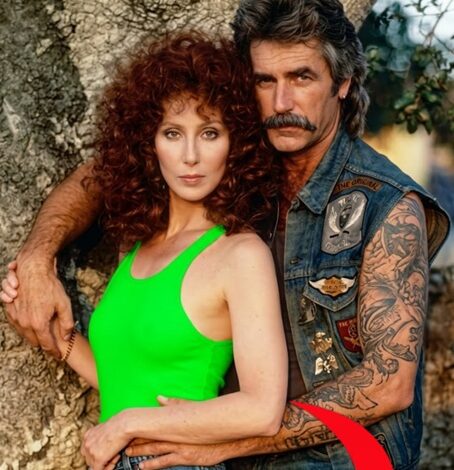
Released on March 8, 1985, Mask endures as one of the most emotionally powerful dramas of its time, blending remarkable performances with a deeply moving true story that continues to resonate with audiences across generations.
Directed by Peter Bogdanovich and written by Anna Hamilton Phelan, the film combines thoughtful storytelling with a sense of realism, presenting a compassionate look at life, difference, and unconditional love.
At its core is the true story of Roy L. Dennis, a teenager whose life was shaped by a rare medical condition that altered his physical appearance and limited his life expectancy.
Roy, known as Rocky, was born with craniodiaphyseal dysplasia—an exceptionally rare genetic disorder characterized by abnormal bone growth, especially in the skull, resulting in distinctive facial features and significant health challenges.
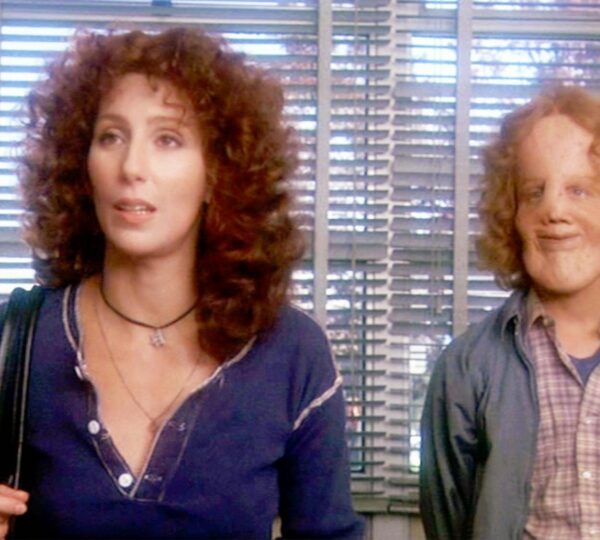
Although doctors initially believed he would not live past early childhood, Rocky surpassed those expectations, living to the age of sixteen and displaying extraordinary resilience, intellect, and emotional depth throughout his life.
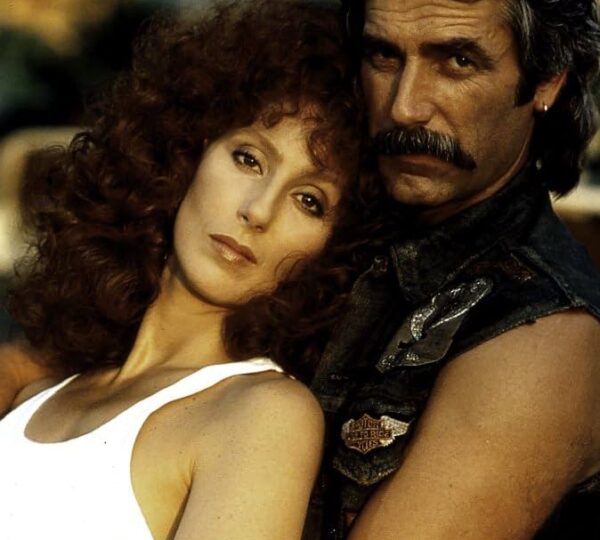
The film features Cher as Florence “Rusty” Dennis, Rocky’s mother, whose unconventional way of life and unwavering dedication significantly influence his journey and the opportunities available to him.
Rusty is depicted as a determined and independent figure who resists societal judgment, choosing instead to champion her son’s right to inclusion, respect, and a full life experience.
Eric Stoltz gives a remarkable performance as Rocky, undergoing extensive prosthetic transformation to portray the physical aspects of the condition while also conveying the character’s wit, intelligence, and emotional richness.
The film’s makeup was highly acclaimed, ultimately earning the Academy Award for Best Makeup for its realism and its essential role in presenting a respectful and convincing depiction of Rocky’s condition.

Sam Elliott appears as Gar, a supportive figure in Rusty and Rocky’s lives, offering stability and compassion while helping balance the more turbulent aspects of their environment.
In addition, Laura Dern plays Diana, a visually impaired girl who befriends Rocky, forming a connection based on understanding and emotional honesty rather than appearance.
One of the film’s most powerful themes is its exploration of how society responds to visible differences, highlighting both the prejudice Rocky encounters and the kindness he inspires in those willing to look beyond appearances.
Rocky’s journey through school and social life reflects real challenges faced by individuals with visible conditions, including curiosity, misunderstanding, and at times cruelty, balanced by moments of acceptance and genuine connection.
Importantly, the film portrays Rocky not as a victim, but as an active participant in his life, someone who pursues education, friendships, and personal growth despite the obstacles placed before him.
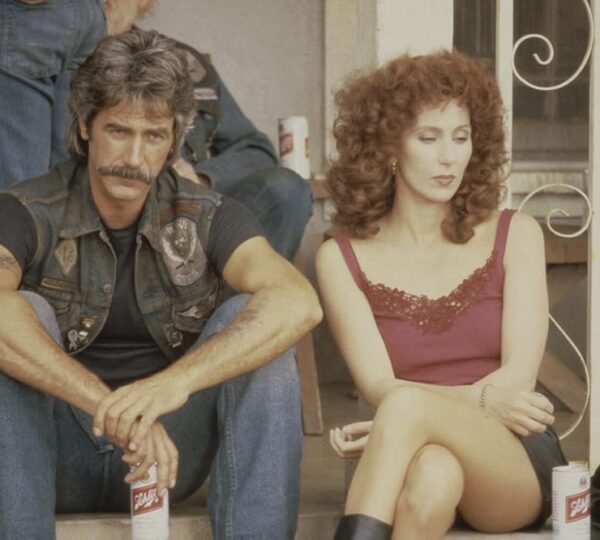
Rusty’s approach to parenting plays a pivotal role in the story, as she embraces honesty and encouragement rather than overprotection, pushing Rocky to experience life fully instead of being sheltered from it.
Her decision to place him in a public school setting, rather than keeping him isolated, reinforces the film’s message about inclusion, equal opportunity, and the importance of respecting others with dignity.
At the same time, the film presents Rusty as a complex character—imperfect yet deeply devoted—whose actions are influenced by her circumstances as well as her fierce love for her son.
From a production standpoint, Mask was filmed in locations that closely resembled the real-life settings of Rocky’s world, enhancing the film’s sense of authenticity both visually and emotionally.
The film’s music also has a notable backstory. Initially, the intention was to feature songs by Bruce Springsteen, reflecting Rocky’s real-life musical tastes.
Due to licensing issues, however, the original theatrical release included music by Bob Seger, which still helped shape the film’s tone and atmosphere.
In later years, a director’s cut reinstated Springsteen’s music, bringing the film closer to its original artistic vision and more accurately reflecting the influences connected to Rocky’s life.
When Mask premiered, it was met with widespread critical praise, especially for its powerful performances and its thoughtful approach to emotionally layered themes drawn from real-life experiences.
Cher’s performance as Rusty was particularly celebrated, earning her the Best Actress award at the 1985 Cannes Film Festival and establishing her credibility as a dramatic actress beyond her success in music.
In addition, both Cher and Eric Stoltz received Golden Globe nominations, underscoring the strength of their performances and the film’s strong reception among both critics and audiences.
Although inspired by true events, the film does take certain creative liberties, which is typical of biographical storytelling. Some moments and character dynamics were adjusted or condensed to create a more cohesive and engaging narrative.
Certain scenes may not reflect exact real-life occurrences but are instead designed to capture the broader emotional realities of Rocky’s life and the obstacles he encountered.
Even with these adaptations, Mask is still widely viewed as a sincere and compassionate portrayal, one that respectfully captures the essence of the real people and experiences at its core.
At its heart, Mask goes beyond portraying a medical condition; it serves as a powerful exploration of identity, acceptance, and the fundamental human need to be recognized and appreciated for who we truly are.
One of the film’s most memorable aspects is the relationship between Rocky and his mother, which highlights the resilience of unconditional love amid hardship. Their connection is depicted with depth and realism, balancing moments of struggle with genuine warmth and joy that shape their journey together.
The story also invites viewers to reflect on society’s definitions of beauty and what is considered “normal,” challenging preconceived judgments based solely on appearance. By emphasizing Rocky’s intelligence, wit, and emotional depth, the film redirects focus from outward differences to the inner qualities that define a person’s true worth.
Over the years, Mask has secured its place as a significant and moving drama, continuing to resonate with audiences across generations. Its themes remain especially relevant today, as conversations around inclusion, representation, and empathy continue to evolve.
What makes the film enduring is its ability to connect on a deeply human level, telling a story that is both uniquely personal and universally relatable. Decades after its release, it is still revisited by critics and viewers who value its role in promoting thoughtful, socially aware storytelling.
Its commercial success and lasting cultural impact underscore the strength of narratives grounded in authentic human experience. In the end, Mask stands as a tribute to resilience, compassion, and the transformative power of love and understanding in facing life’s challenges.
It ultimately reminds us that beyond any visible difference lies an individual with hopes, feelings, and a story that deserves to be heard and remembered.