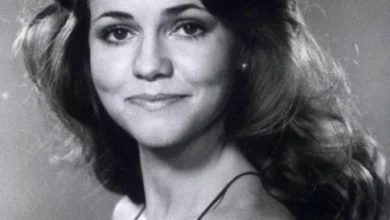
Boots, Fame… Then She VanishedFame never protected her. It only made the fall louder, sharper, impossible to ignore. Nancy Sinatra had everything money could buy, yet watched her career slip like smoke while executives whispered about dropping the boss’s daughter. Reinvention saved her once. But love, loss, and age don’t care about last names. When the spotlight dimmed again, she had to choose: disappear, or st… Continues…


She may have been born into something that looked like destiny, but nothing about her journey unfolded easily. In the beginning, she carried the weight of expectation without the results to match it—a recognizable name paired with projects that didn’t land, critics who dismissed her, and an industry that seemed ready to file her away as a footnote rather than a force. What followed wasn’t a calculated rebrand so much as a necessary transformation. She reshaped not just her sound, but her presence—lowering her voice into something more commanding, refining her image, and stepping forward with a kind of intensity that couldn’t be ignored. When she finally broke through, it wasn’t gentle. It was loud, defiant, and impossible to overlook—a track that felt equal parts warning and declaration, pulling the spotlight back in her direction and holding it there.
For a time, she dictated the rhythm. The image, the music, the attitude—it all aligned, and the world responded. But success, as it often does, proved to be only one chapter. What came next had nothing to do with charts or headlines. Life shifted inward, bringing moments that fame couldn’t soften or control. Loss reshaped her priorities. Motherhood grounded her in ways the industry never could. And through it all, she faced the strange duality of being both instantly recognizable and, at times, quietly overlooked—a public figure navigating deeply private realities.
What sets her apart is how she chose to move forward. Rather than chasing the version of herself that once dominated, she allowed evolution to take its course. She embraced change instead of resisting it, stepping into each new phase with a sense of ownership. Whether through her music, her visual storytelling, or the way she presents herself, there’s a clear refusal to shrink or apologize for the passage of time.
She didn’t escape the setbacks or rewrite the narrative into something smoother. Instead, she confronted it—openly, deliberately. The falls, the reinventions, the quieter years—they’re all part of the same story. And now, there’s a different kind of strength in how she carries it. Not the urgency to prove something, but the confidence of someone who has already faced what could have broken her and kept going anyway, steady and unapologetic.