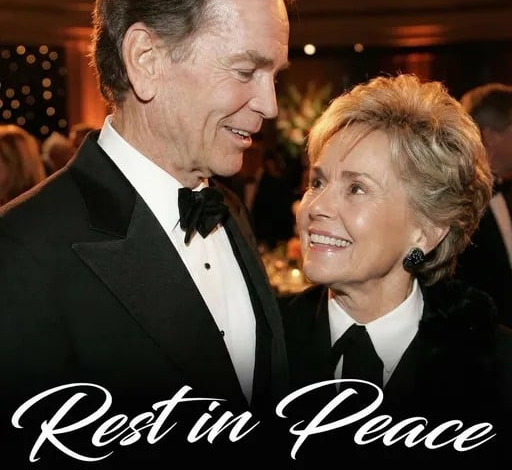
She entered the world as Loretta Basham in a quiet town in West Virginia, far removed from the bright lights and expectations of Hollywood. Back then, there was little to suggest she would one day become known to audiences across the country as Lory Patrick. But even early on, there was something in her—a refusal to accept the limits others quietly placed around her life.
Drawn to something bigger, she stepped into modeling, using it as her first doorway into a wider world. It wasn’t long before she realized that standing in front of a camera wasn’t enough—she wanted to tell stories, to be part of something that lasted longer than a photograph. So she made a bold decision. Leaving behind what was familiar, she headed to Los Angeles with determination and very few guarantees.
Hollywood didn’t exactly roll out a welcome mat. Like many young women trying to break in, she faced skepticism and quiet dismissal. But instead of discouraging her, it sharpened her resolve. She treated every “no” as momentum rather than rejection. That persistence paid off quickly—within days of signing with Universal, she secured a role on The Loretta Young Show. It was the kind of breakthrough most actors wait years for, and it marked the beginning of a career that would steadily grow.
Throughout the 1960s, Lory Patrick became a recognizable and comforting presence on television screens across America. She appeared in a range of popular series that defined the era—Tales of Wells Fargo, Bonanza, and Dr. Kildare, among others. While she may not have always been the headline name, her performances carried a quiet strength. She brought authenticity to her roles, the kind that made audiences feel like they were watching someone real rather than simply a character.
But what truly set her apart was what she did beyond acting.
At a time when the television industry was overwhelmingly male-dominated—especially behind the scenes—she began contributing in ways few women were encouraged to pursue. She wrote scripts, including work for Bonanza, stepping into writers’ spaces that were rarely open to women. It wasn’t something that made headlines, but it mattered. Every line she wrote helped shift expectations, even if only slightly, for those who would come after her.
Her creativity didn’t stop there. She also explored directing in theater, continuing to deepen her understanding of storytelling from multiple angles. She wasn’t content to remain in a single role—she wanted to shape the stories being told, not just perform them.
As the years went on, her focus gradually shifted. She stepped back from the fast pace of Hollywood and began dedicating more of her energy to her personal life. Alongside her husband, actor Dean Jones, she embraced a life centered on faith, family, and service. Together, they became known not just for their work in entertainment, but for their commitment to something deeper—supporting others, living with intention, and prioritizing values that extended beyond the spotlight.
In many ways, her later years revealed just as much strength as her early career. Walking away from visibility in an industry that often defines success by attention is no small thing. Yet she did it with grace, choosing a path that reflected who she was at her core.
Looking back, her legacy isn’t defined solely by the shows she appeared in or the roles she played—though those remain meaningful. It lives just as strongly in the quieter spaces: in the doors she helped open for women in writing, in the stories she shaped, and in the life she built away from the camera.
Lory Patrick’s journey is one of quiet determination and steady impact. She didn’t just chase opportunity—she created it. And in doing so, she left behind more than a career. She left behind an example of what it means to live with courage, conviction, and a sense of purpose that doesn’t fade when the spotlight dims.