On February 20, 2026, Brandon Frankel, husband of Academy Award–nominated actress Gabourey Sidibe, publicly shared that he had been diagnosed with stage I papillary thyroid cancer. This form of cancer, which affects the thyroid gland, is generally considered highly treatable when detected early, and Frankel emphasized both the seriousness of the diagnosis and the hopeful prognosis in his announcement.
Frankel chose to disclose his diagnosis on Instagram, posting a heartfelt message that blended honesty, reflection, and encouragement. In his post, he described the process of learning he had cancer, the emotional impact it had on him and his family, and the steps he was taking to undergo treatment. Beyond merely sharing medical details, he spoke candidly about the fears, uncertainties, and small victories that accompanied his journey, demonstrating vulnerability in a way that resonated with followers.
Accompanying his words were a series of photographs that illustrated his experience in both intimate and public ways. One image showed Frankel lying in a hospital bed, the reality of treatment laid bare yet tempered by his composed demeanor. Another captured moments at home with Sidibe and their young child, conveying the importance of family support and the quiet resilience that comes from shared love. Additional photos documented his recovery and moments of normalcy, highlighting a balance between the gravity of illness and the hope of healing.
Throughout the post, Frankel consistently expressed gratitude — to medical professionals, loved ones, and even to the broader community offering encouragement and support. He also included a broader message, urging followers to prioritize their health, seek regular medical care, and pay attention to changes in their bodies. By framing his personal experience as both a testament to early detection and a reminder of collective responsibility, he transformed a private challenge into a public service.
Fans and colleagues quickly responded with messages of support, praising his transparency and resilience. Sidibe herself shared her love and encouragement, posting alongside her husband in an image that underscored their partnership through the highs and lows. Together, the images and words created a narrative of courage, connection, and hope — a reminder that even in the face of a frightening diagnosis, community and awareness can provide strength.
Frankel’s openness also sparked conversations about thyroid cancer, an illness that often goes under-discussed despite its prevalence. By sharing the early-stage nature of his diagnosis and emphasizing the favorable prognosis when caught promptly, he offered both reassurance and education to his audience. In doing so, he turned a deeply personal moment into an opportunity to inform, inspire, and empower others to take proactive steps in caring for their health.
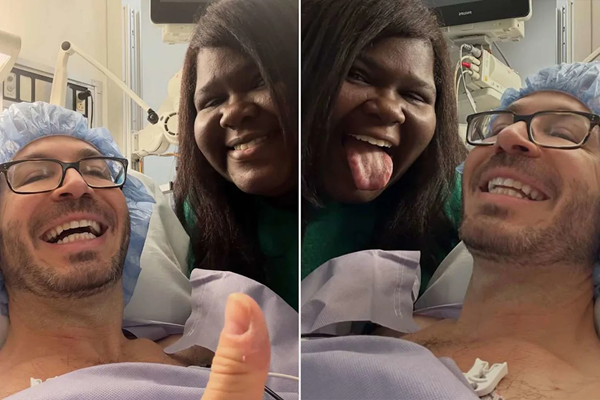
In his Instagram caption, Frankel recounted how he had persistently advocated for further testing when his initial medical consultations did not immediately result in the diagnostics that eventually revealed the cancer. He described a process of patiently navigating the medical system, asking questions, and following up on his concerns — a proactive approach that ultimately proved critical in catching the disease early.
By sharing his journey so candidly, Frankel confronted a topic that many individuals face in private, often with fear or uncertainty. His openness was not only a reflection of personal vulnerability but also a deliberate effort to encourage others to prioritize their own health and to trust their instincts when something feels off.
Frankel emphasized that his decision to speak publicly was grounded in the belief that transparency could serve as a guide for others. Through his story, he sought to illuminate the realities of a cancer diagnosis, from the anxiety and uncertainty to the logistical and emotional challenges of treatment. At the same time, he underscored the importance of self-advocacy — the idea that patients are empowered when they actively participate in decisions about their own care.
Early Detection and the Power of Advocacy
A central theme of Frankel’s message was the critical role of early detection. He explained that, initially, his doctor had recommended a conservative “wait and see” approach, suggesting that immediate intervention was unnecessary. However, Frankel insisted on undergoing an ultrasound, a decision that ultimately led to the discovery of cancerous cells at a stage when treatment outcomes are typically highly favorable.
This insistence on proactive care allowed Frankel to undergo surgery promptly and begin the recovery process while the disease was still classified as Stage I papillary thyroid cancer — the most common form of thyroid cancer. Stage I diagnoses generally carry an excellent prognosis, and timely intervention greatly increases the likelihood of successful treatment and long-term health.
Through this narrative, Frankel highlighted not only the medical realities of thyroid cancer but also the importance of patient advocacy in achieving positive outcomes. By trusting his instincts, asking for additional testing, and seeking second opinions when necessary, he demonstrated a model of engaged, informed patient behavior — one that can make a tangible difference in life-and-death scenarios.
His story also serves as a reminder that even when medical professionals provide guidance, patients themselves play a crucial role in the timing, effectiveness, and success of care. By sharing his experience, Frankel transformed what could have been an isolating health challenge into a public lesson in vigilance, self-advocacy, and the life-saving potential of early detection.

Frankel’s experience highlighted not only the value of modern screening technologies but also the crucial importance of advocating for further evaluation when something feels off. His story served as a reminder that patients who trust their instincts and ask questions often gain a vital edge in early detection and treatment.
Surgery and Recovery
Frankel shared that his surgery — a procedure to remove the cancerous tissue identified in his thyroid — had gone “well,” and that he was now in the process of recovery. While pathology revealed a slightly more aggressive subtype of cells, which necessitates ongoing monitoring, he expressed profound gratitude for both the outcome and the timely medical intervention that made it possible.
He described the experience as “life-changing,” extending beyond the medical implications to touch his emotional and psychological well-being. The diagnosis and treatment reshaped his perspective on health, vulnerability, and the importance of attentive self-care, underscoring how an early-stage diagnosis can offer both reassurance and motivation to prioritize one’s long-term wellness.
The Role of Support and Partnership
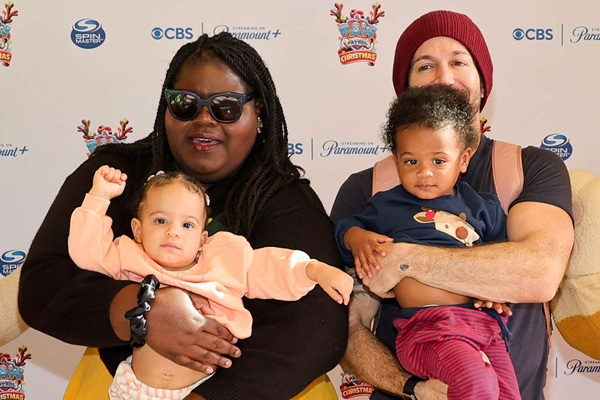
Throughout his message, Frankel repeatedly acknowledged the unwavering support of his wife, actress Gabourey Sidibe. Married since 2021, the couple has built a life together while raising twins — a boy and a girl born in 2024. Frankel credited Sidibe’s presence and encouragement as pivotal during the emotional highs and lows of diagnosis, treatment, and recovery. He emphasized that facing a serious health challenge is not done alone, and that the steady partnership of loved ones can provide both practical and emotional strength.
By sharing his journey publicly, Frankel sought to provide insight into the realities of a thyroid cancer diagnosis, while also highlighting the human aspects of resilience: the courage to advocate for oneself, the gratitude for medical expertise, and the profound value of family and community support. His post combined transparency with hope, offering a nuanced perspective that resonated with anyone navigating their own health challenges or supporting a loved one through illness.
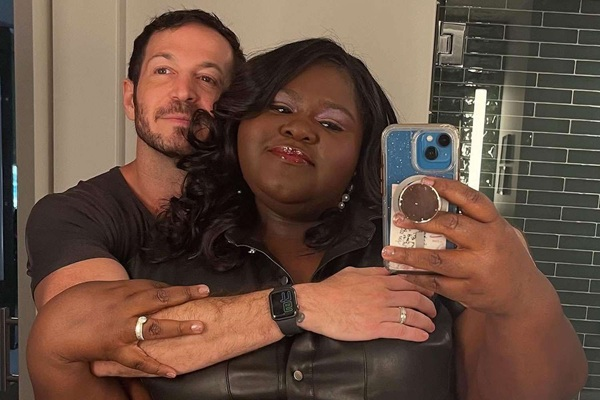
Their partnership has been highly visible on social media and in past interviews, with the couple often sharing glimpses of their life journey together. Through posts, photos, and candid reflections, Frankel and Sidibe have demonstrated a shared commitment to family, personal growth, and mutual support.
In his post, Frankel emphasized that he would not have navigated this health challenge without Sidibe’s constant presence. He highlighted her emotional support, her care for their twins during his surgeries and medical appointments, and her quiet but unwavering strength. Frankel described her role throughout this period as nothing short of extraordinary, underscoring how vital a supportive partner can be during moments of medical uncertainty and vulnerability.
A Message to the Public: Listen to Your Body
Frankel’s announcement was more than a personal disclosure; it was a broader appeal to the public about health awareness and self-advocacy. He urged individuals to pay close attention to unusual symptoms, to insist on further testing when medical advice is inconclusive, and to trust their instincts about their own bodies.
He explained that delaying or dismissing persistent health concerns can sometimes result in later-stage diagnoses, which are more challenging to treat. By sharing his story, he aimed to empower others to act early, emphasizing that proactive engagement with one’s health can make a critical difference.
Frankel also acknowledged the role of systemic inequities in healthcare access. He candidly noted that his ability to pursue rapid testing, secure timely surgery, and receive comprehensive follow-up care was influenced by resources, insurance coverage, and connections — privileges not available to everyone. Through this acknowledgment, he broadened the conversation from individual responsibility to societal responsibility, highlighting the need for accessible, equitable healthcare for all.
Public Response and Support
The response to Frankel’s announcement was immediate and overwhelmingly supportive. Fans, friends, and fellow entertainers flooded social media with messages of encouragement, admiration, and solidarity. Many praised his openness, noting that his transparency helped destigmatize discussions around health challenges and inspired conversations about vigilance, early detection, and resilience.
The post also sparked wider dialogue among health communities, advocacy groups, and online forums about thyroid cancer awareness, early detection strategies, and the importance of supportive networks during treatment. In sharing his journey so publicly, Frankel turned a personal medical challenge into an opportunity for education, reflection, and communal support — demonstrating that vulnerability and advocacy can coexist with strength and optimism.

Many praised Frankel’s candor, applauding his courage in making a deeply personal struggle public. By sharing his journey, he not only educated others about the realities of a thyroid cancer diagnosis but also modeled the power of transparency and self-advocacy. Observers highlighted how his openness could encourage early detection, personal vigilance, and honest conversations about health.
Equally admired was the way he and Sidibe navigated the challenges together. Their partnership became a living example of resilience, showing that vulnerability and strength are not mutually exclusive. Sidibe’s unwavering presence — quietly supporting their family while allowing Frankel the space to process his emotions — underscored the importance of empathy and solidarity during times of uncertainty.
Social media quickly became a hub of encouragement. Platforms like Instagram and X, formerly known as Twitter, were filled with messages celebrating his strength, Sidibe’s supportive role, and the couple’s overall approach to facing illness as a united front. Fellow public figures, friends, and fans alike offered messages of solidarity, reflecting how Frankel’s story resonated far beyond his immediate circle, sparking meaningful conversations about health, partnership, and courage.
Beyond the Diagnosis: Lessons in Awareness and Compassion
The photos Frankel shared were far more than simple documentation of medical events; they conveyed the emotional, relational, and human dimensions of healing. Images of quiet moments at home, times of shared calm, and Sidibe’s constant presence painted a narrative of care and connection as essential components of recovery.
Together, these snapshots illustrated a layered experience: moments of vulnerability met with patience, fatigue balanced with unwavering support, and uncertainty navigated through love and attention. Frankel’s reflections made clear that healing extends beyond the physical — it encompasses emotional resilience, the strength of supportive relationships, and a philosophical acceptance of life’s fragility.
He emphasized that while a cancer diagnosis can dramatically disrupt one’s world, it does not strip away the possibility of dignity, hope, or courage. Each step of the journey — from diagnosis to surgery, from recovery to reflection — became an opportunity to honor life, cultivate mindfulness, and recognize the importance of personal and communal care.
By sharing his experience so openly, Frankel transformed a private health challenge into a broader message of awareness and compassion, encouraging others to act decisively, embrace support, and approach life’s uncertainties with courage.
Transforming Personal Struggle Into Purpose
At the heart of Brandon Frankel’s announcement was a desire to transform a deeply personal experience into something that could benefit others. Beyond simply sharing his diagnosis, he sought to create awareness, empower action, and spark conversations around health that often remain private. Through his story, he encouraged people to:
- Take symptoms seriously: Not ignoring unusual or persistent changes in their bodies.
- Seek medical guidance early: Understanding that timely intervention can be life-saving.
- Embrace proactive health discussions: Fostering a culture where openly talking about medical concerns is normalized and encouraged.
- Advocate for oneself within healthcare systems: Recognizing the power of persistence and informed decision-making.
- Find strength in community: Letting those facing similar challenges know that they are not alone.
Frankel’s message was both deeply personal and outward-facing, a reminder that candidly sharing health experiences can empower others to approach their own situations with courage, attentiveness, and informed action.
A Journey Marked by Hope
Even as Frankel continues through recovery and ongoing medical monitoring, his journey has been defined by resilience, gratitude, and presence. He did not frame his experience as one of fearlessness, but as an honest engagement with life’s uncertainties — facing them with humility, trust, and the support of those closest to him.
Through his openness, Frankel offered a quiet yet powerful reminder: serious health diagnoses can be met not only with concern, but with clarity, compassion, and community. His experience highlights that strength often lies not in bravado, but in the willingness to acknowledge vulnerability while actively seeking support.
A Gentle Reminder for All
Brandon Frankel’s story resonates far beyond the immediate circle of family, friends, and fans. It underscores several universal truths that can inspire anyone navigating health challenges:
- Listen to your body: Even subtle symptoms may signal important changes.
- Advocate for your care: Persistence in seeking tests, opinions, or further evaluation can make a meaningful difference.
- Lean on loved ones: Family and support networks are integral to both emotional and practical healing.
- Share experiences: Being open can reduce isolation, build solidarity, and encourage others to take proactive steps.
By confronting his own diagnosis with honesty and transparency, Frankel has transformed a difficult and deeply personal chapter into a message of awareness, shared humanity, and hope. His story continues to inspire, reminding all of us that even in the face of uncertainty, action, connection, and courage can make the path forward brighter.