In the early 1960s, American popular music was undergoing a noticeable transformation. The sound was shifting toward softer, emotionally driven pop that reflected teenage life—its uncertainties, romantic longing, and the growing sense of identity among young people across the country.
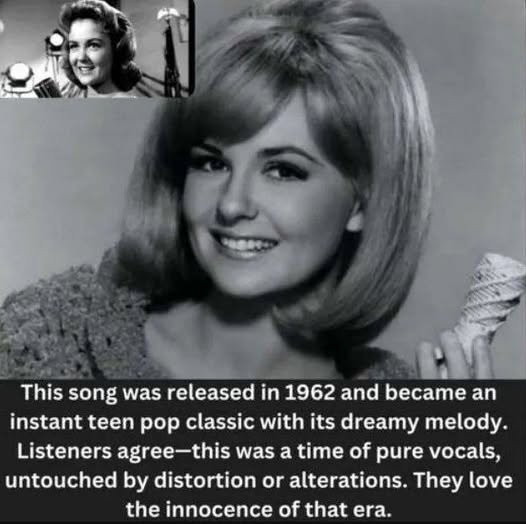
It was during this cultural moment that Shelley Fabares rose to prominence. She was already familiar to audiences through her role as Mary Stone on The Donna Reed Show, where she embodied the wholesome, relatable image that defined family television at the time.
Born in Santa Monica, California, Fabares grew up surrounded by the entertainment industry. This environment naturally shaped her early path, giving her access to acting and performance from a young age while placing her within a rapidly evolving media landscape.
Her initial success came through acting, where she developed a clean, approachable image that aligned perfectly with late-1950s and early-1960s television values. At the time, it was common for young performers to move between television, film, and music. The industry often encouraged actors to expand their careers into recording, seeing musical success as a natural extension of popularity on screen.
Fabares’ entry into music followed this pattern. It was not the result of a long-standing musical ambition, but rather part of a broader trend in entertainment where rising stars were guided into multiple creative outlets.
In 1962, she released “Johnny Angel,” a single that quickly became one of the most memorable pop songs of the era. The track captured the emotional tone of early 1960s teenage music, centering on themes of innocent love, admiration, and the quiet intensity of youthful feelings.
The song resonated deeply with young listeners. In a time before instant communication, expressions of affection were often subtle and unspoken, carried through imagination, music, and personal reflection rather than direct interaction. “Johnny Angel” reflected that emotional landscape with remarkable simplicity.
Its polished production, supported by experienced studio musicians and layered vocal arrangements, complemented Fabares’ soft and sincere delivery. The result was a sound that felt both intimate and universally relatable.
Following its release, “Johnny Angel” reached number one on the Billboard Hot 100 in the United States and gained international attention. Its success highlighted the growing influence of American pop music globally and the increasing power of youth culture in shaping entertainment trends.
For a brief moment, Fabares became a significant figure in the music industry. However, her primary identity remained rooted in acting, and her musical career would ultimately be short-lived.
A follow-up single, “Johnny Loves Me,” was released in an attempt to maintain momentum. While it achieved moderate success, it did not replicate the cultural impact of her debut hit. This reflected a broader challenge faced by many artists of the time, as the music industry was evolving quickly.
By the mid-1960s, the rise of the British Invasion introduced a new sound—more energetic, rebellious, and distinct from the gentle ballads that had dominated earlier in the decade. This shift gradually pushed aside the style of music that had defined Fabares’ success.
Recognizing these changes, she chose to refocus on acting, where she had already built a stable and lasting career. Her transition back to film and television was seamless, demonstrating both her adaptability and professionalism in an industry known for constant change.
During this period, she appeared alongside Elvis Presley in several films, expanding her presence in Hollywood and reinforcing her versatility as a performer. Over time, she continued to establish herself through roles in television series such as One Day at a Time and later Coach, introducing her to new generations of viewers.
Although her music career was relatively brief, the legacy of “Johnny Angel” endured. The song remains a defining example of early 1960s teen pop, remembered for its emotional clarity, gentle melody, and ability to capture the experience of first love.
Its lasting appeal lies in its simplicity. The song does not rely on complex production or elaborate storytelling. Instead, it focuses on a universal feeling—admiration from a distance, the quiet hope of being noticed, and the innocence of early romantic emotion.
Even decades later, “Johnny Angel” continues to appear in nostalgic media, soundtracks, and retrospectives, serving as a cultural snapshot of its time. Music historians often point to it as a classic example of the teen-pop era, where emotional storytelling took precedence over musical complexity.
Fabares’ performance is frequently praised for its sincerity, a quality that helped the song connect across generations. It reflects a period when music played a central role in shaping teenage identity and emotional expression.
Unlike today’s fast-paced digital communication, music in that era often served as a primary outlet for feelings that were difficult to express directly. Songs like “Johnny Angel” became a voice for those quiet emotions.
As her career progressed, Fabares’ decision to prioritize acting allowed her to maintain a lasting presence in the entertainment world. She avoided being defined solely by a single hit and instead built a diverse and enduring career.
Today, she is remembered not only for her contributions to television and film but also for that one defining musical moment. “Johnny Angel” stands as more than just a hit—it represents an era when pop music was closely tied to innocence, storytelling, and the emotional lives of young people.
Through both her acting and her brief yet impactful music career, Shelley Fabares remains an important figure in mid-20th-century entertainment. Her journey reflects a time when television, film, and music intersected in new ways, shaping both public culture and personal identity.
Ultimately, the enduring power of “Johnny Angel” lies in its honesty. It captures a feeling that is simple, universal, and timeless—the quiet, hopeful experience of first love.