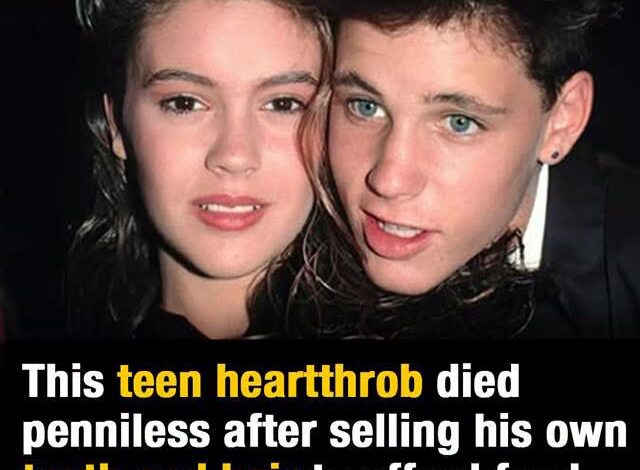
Corey Haim’s life stands as a deeply unsettling reflection of how quickly Hollywood can elevate a child into stardom—and just as quickly abandon him when the consequences of that fame begin to surface. To the world, he was the charismatic, mischievous face from The Lost Boys, a teen idol whose posters covered bedroom walls and whose charm felt effortless. He represented youth, rebellion, and a kind of carefree energy that audiences adored. But behind that image was a very different reality—one that rarely made it into interviews or magazine spreads.
Beneath the fame, Corey was a young boy trying to navigate an environment that demanded far more than he was ever prepared for. The pressure to perform, to stay relevant, to live up to expectations placed on him at such an early age created a constant undercurrent of stress and isolation. Add to that the darker sides of the industry—exploitation, blurred boundaries, and a lack of meaningful protection—and it becomes clear how vulnerable he truly was. What looked like confidence on screen often masked fear, confusion, and a deep need for stability that was never fully met.
As the years went on, the cracks began to show. The same industry that had celebrated him offered little support when he started to struggle. Addiction became both an escape and a symptom—something that dulled the pain while quietly deepening it. Pills weren’t just a habit; they were a way to cope with trauma, loneliness, and the overwhelming weight of expectations he could no longer carry. And while his struggles became increasingly public, they were often treated as spectacle rather than signals that he needed help.
By the time he reached adulthood, Corey was no longer the rising star people remembered. He was fighting to hold onto a version of himself that the world had already moved on from. Opportunities faded, financial stability disappeared, and his health deteriorated under the strain of years of substance use and neglect. Yet even then, there was a part of him still trying—still hoping he could return to who he once was, still wanting to prove that he hadn’t been completely lost along the way.
When he died at 38, it wasn’t the dramatic ending many might have expected. It was quieter, more tragic in its simplicity—a body worn down over time, unable to recover from the damage it had endured. His passing didn’t just mark the loss of a former child star; it highlighted a much larger failure in how the industry—and society—handles vulnerability, addiction, and the long-term effects of early fame.
Corey Haim’s story isn’t just a cautionary tale about celebrity. It’s a reminder of the human cost behind the entertainment we consume. It asks uncomfortable questions about accountability, about how children are protected—or not—and about what happens when someone who once brought joy to millions is left to struggle alone.
More than anything, his life leaves behind a message that still matters: to listen when young people say they’re hurting, to treat addiction with compassion rather than judgment, and to remember that behind every public image is a person who deserves care, dignity, and understanding.