THE HIDDEN TRUTH ABOUT INTIMACY AND EXPRESSION WHY THE ABSENCE OF A KISS REVEALS SHOCKING SECRETS ABOUT YOUR PERSONALITY AND SPIRITUAL CONNECTION

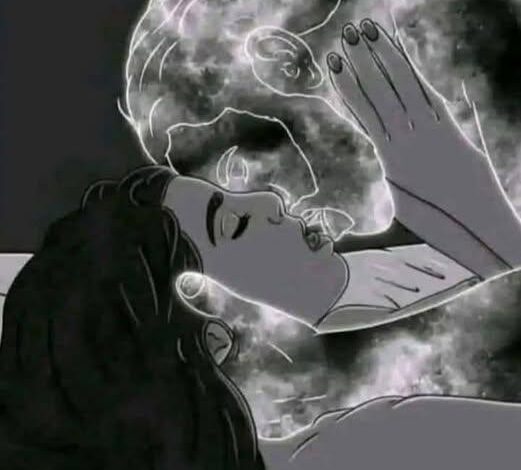
Human expression goes far beyond words or physical closeness. It lives in the subtle details of our bodies, in inherited traits, in the choices we make about how we present ourselves, and even in the quiet, intangible ways we feel connected to others. The way we move, react, and relate—especially in moments of intimacy—often reveals more than we realize. A hesitation, like a partner pulling back from a kiss, can feel confusing in the moment, but it often reflects something deeper: an internal state, an emotion, or a story that hasn’t yet found words.
Our faces, in particular, carry a kind of living record. Smile lines—those gentle creases that form over time—are often misunderstood as signs of aging, when in reality they are evidence of expression. They come from years of laughter, conversation, and shared joy. Each line is shaped by repetition, by moments lived fully rather than held back. For some, they appear early, marking a life rich in outward emotion; for others, they deepen slowly, becoming a quiet testament to time and experience. Seen this way, they are less about loss and more about accumulation—of memories, of connection.
Dimples, by contrast, are something we’re born with. They’re the result of a small variation in muscle structure, yet they often become defining features—associated with warmth, charm, even familiarity. Across cultures, they’re celebrated not because they fit a standard, but because they stand out. Like many things in the human body, what might be described clinically as a variation becomes, in lived experience, a marker of individuality.
Expression, though, isn’t limited to what we inherit. It also includes what we choose. Practices like body modification—whether through piercings, tattoos, or other forms—have long histories rooted in identity, culture, and meaning. Tongue piercing, for example, has ancient origins tied to ritual and symbolism. Today, it can still serve as a form of self-definition, a way of marking change, reclaiming control, or simply expressing who someone is. These choices become part of the same language as our natural features—visible signs of how we relate to ourselves and the world.
Then there are the less visible forms of connection—those that exist more in feeling than in form. Many people, especially in moments of grief, describe a sense of presence that can’t easily be explained: a familiar scent, a sudden warmth, a feeling of being accompanied. Whether understood as emotional memory, psychological comfort, or something more spiritual, these experiences often carry a sense of reassurance. They remind us that connection doesn’t always end when physical presence does.
All of these layers—what we inherit, what we choose, what we feel—come together to shape how we experience relationships. They influence how we’re perceived and how we perceive others, especially in close, personal moments. When something shifts—like a partner pulling away slightly—it’s rarely about one single cause. It’s often a reflection of everything happening beneath the surface: thoughts, emotions, past experiences, even physical awareness.
Understanding this doesn’t mean decoding every action, but it does invite a different kind of attention. Instead of focusing only on what’s missing—a kiss, a gesture—we can begin to notice the broader context. The way someone holds themselves, the expressions that pass quickly across their face, the tone of their voice. These are all part of the same ongoing conversation.
In the end, connection isn’t built on perfection or constant clarity. It’s built on recognizing that every person carries a complex, evolving story—one that shows itself in both visible and invisible ways. The more we learn to read those signs with patience and openness, the more we move toward understanding—not just of others, but of ourselves as well.