THE ANCIENT MEDITERRANEAN CURE THE SHOCKING TRUTH ABOUT THE WORLDS MOST POWERFUL HERB THAT ERASES INFLAMMATION AND DESTROYS HARMFUL BACTERIA FAST

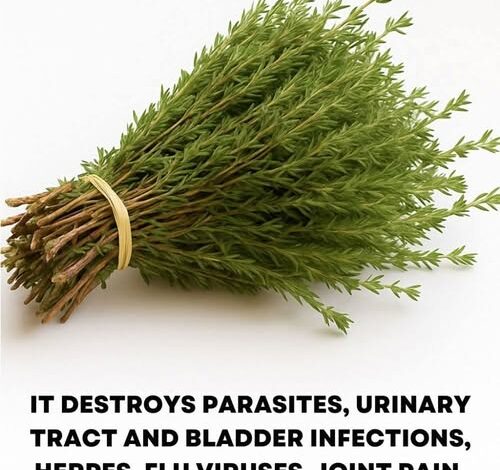
In a world filled with complex wellness trends and high-priced solutions, it’s easy to overlook the quiet strength of something simple. Oregano, often tucked away in a spice rack or growing in a small pot by the window, is one of those overlooked essentials. While it’s widely known for adding flavor to food, it also contains a range of naturally occurring compounds that have drawn attention for their potential health-supporting properties.
At the center of that interest are two key components: carvacrol and thymol. These compounds are known for their antimicrobial and antioxidant activity, which helps explain why oregano has been used in traditional practices for generations. Historically, it was applied to support wound care, digestion, and respiratory comfort—long before modern science began studying its chemical makeup in more detail.
Today, research continues to explore how oregano may support overall wellness. One area of interest is digestive health. The gut is home to a complex community of microorganisms, and maintaining balance within that system is important for digestion, nutrient absorption, and general well-being. Oregano, particularly in oil form, has been studied for its ability to help manage certain unwanted microbes. However, it’s important to note that this effect is not selective—it may also impact beneficial bacteria if overused, which is why moderation matters.
Oregano is also sometimes used during seasonal changes as part of general immune support. Its antimicrobial properties may help the body respond to common environmental stressors. While it’s not a replacement for medical treatment, it can be one part of a broader approach that includes rest, nutrition, and proper care.
There’s also growing interest in oregano’s anti-inflammatory potential. Some compounds in the plant may help reduce mild inflammation, which can support joint comfort and recovery from everyday physical strain. Again, this is best viewed as supportive rather than curative.
For those exploring its use, oregano can be incorporated in several ways. Cooking with fresh or dried leaves is the simplest and safest option, adding both flavor and small amounts of beneficial compounds. Herbal tea made from oregano leaves offers a mild, soothing preparation. More concentrated forms, like oregano oil, require caution—these should always be diluted and used in appropriate amounts, ideally with guidance from a healthcare professional.
It’s also important to approach oregano with realistic expectations. While it contains valuable properties, it is not a cure-all or a substitute for comprehensive medical care. Like many natural remedies, its benefits are best realized when it’s part of a balanced lifestyle that includes varied nutrition, physical activity, and proper medical support when needed.
Ultimately, oregano represents something meaningful in wellness: simplicity paired with consistency. It’s not about dramatic transformation, but about small, steady support for the body. Whether used in meals, tea, or carefully as an oil, it serves as a reminder that some of the most useful tools for health are often the most familiar—and the most accessible.