Julián came back to consciousness slowly, as if rising through heavy water. The first thing he noticed was the sound—steady, mechanical beeps marking time in a way that felt foreign and clinical. When he opened his eyes, the dim, familiar corners of his apartment were gone. In their place: white walls, fluorescent lights, and the quiet urgency of a hospital room. Tubes, monitors, voices just out of reach. It took a moment for reality to settle in.
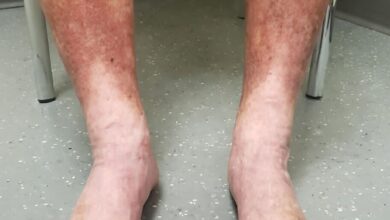
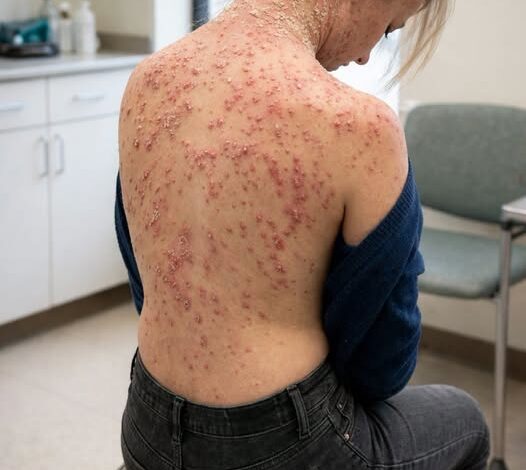
The doctors spoke carefully, but the message was unmistakable. He had been closer to collapse than he ever imagined. What had seemed like minor irritations—small bites, strange itching, restless nights—had quietly escalated into something far more serious. A buildup of neglect, of dismissing warning signs, of convincing himself it wasn’t urgent. The infestation itself was part of the story, but not the whole of it. What lingered more deeply was the realization that his own inaction had allowed it to take hold.
That truth stayed with him longer than any symptom.
When he was discharged and stepped back into his apartment, the shift was immediate and unsettling. Nothing had physically changed, yet everything felt different. The same walls now held a kind of tension. The air felt heavier, as if it remembered what he had ignored. His eyes moved differently now—slower, sharper, unwilling to overlook what they once skimmed past without thought.
A faint stain in the corner wasn’t just a stain anymore. It was a question: How long has that been there?
Crumbs under the table weren’t harmless—they were evidence.
The forgotten corners, the spaces he had stopped seeing altogether, now stood out with quiet accusation.
For a moment, he just stood there, taking it in. Not with panic, but with a kind of clarity that only comes after something almost goes too far.
Then he began.
It wasn’t a casual cleaning. It was deliberate, methodical—almost ritualistic. He opened windows, letting fresh air cut through the stale stillness. He sorted through belongings, discarding things he had once held onto out of habit rather than need. Surfaces were scrubbed, floors cleared, corners reached that hadn’t been touched in far too long. Every action felt less like a chore and more like a decision.
A decision to stop overlooking.
A decision to start paying attention.
The process took time, and it wasn’t easy. There were moments of frustration, of exhaustion, even of shame. But there was also something else—something steadier beneath it all. A sense that he wasn’t just cleaning a space. He was reclaiming it.
And in doing that, he was reclaiming himself.
By the time he finished, the apartment didn’t just look different—it felt different. Not perfect, not untouched by what had happened, but reset in a way that mattered. It was no longer a place shaped by neglect. It was a place shaped by intention.
Julián understood something now that he hadn’t before. Safety isn’t automatic. It isn’t something that simply exists because we expect it to. It’s built, maintained, protected through small, consistent acts—through noticing, through responding, through refusing to ignore what feels “off.”
What happened to him wasn’t just about insects or illness. It was about attention. About the cost of looking away for too long.
And now, every day, in the quiet routines he rebuilt, he carried that lesson forward—not as fear, but as respect.