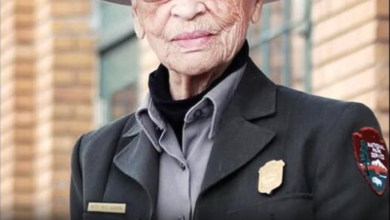
He moved like a rumor through the halls of power—often felt more than seen—a presence that lingered long after he left a room. When his voice fell silent, the impact was immediate and profound, reverberating not only in the grand theater of politics but in the intimate spaces of everyday life: at kitchen tables where families once debated bills and hopes, in crowded clinics where people sought reassurance, and within fragile dreams in neighborhoods that suddenly felt unprotected. For decades, he had turned ink into lifelines, laws into breathing room, and committees into instruments of hope. Now, with his chair empty and his phone forever still, those he once shielded from the harshest winds of Washington are left listening for a voice that will never answer again, feeling the absence of a guide, advocate, and friend who always remembered them.
He began as a son of Harlem, long before the marble corridors of Congress or the glare of televised hearings, carrying the grit and resilience of New York streets and the weight of wartime experience into every chamber where decisions cut deeply into human lives. Charles Rangel never debated abstractions or lofty ideals detached from reality; he spoke of neighbors whose names he remembered, families he had watched bend under pressure but refuse to break, and communities that demanded both justice and dignity. Civil rights, fair housing, and economic justice were never political talking points—they were obligations, debts that America still owed its most faithful, hardworking citizens, responsibilities he carried as a personal mission rather than a platform for applause.
Across nearly fifty years in the House of Representatives, he treated every vote, committee meeting, and policy debate as a promise renewed. Jobs, schools, hospitals, and safe streets were not campaign slogans or headlines—they were daily work he pursued with steadfast attention. He argued with vigor, laughed with warmth, and mentored younger lawmakers to never lose sight of the people who entrusted them with power. Even into his 90s, his commitment never wavered; he remained a living reminder that leadership is measured not by spectacle or personal glory, but by quiet, persistent service. His passing at 94 closes a remarkable chapter in American politics, but the measure of his leadership endures: service over spectacle, stewardship over swagger, and a legacy etched quietly but indelibly into the lives of millions who, because of him, were seen, remembered, and protected.