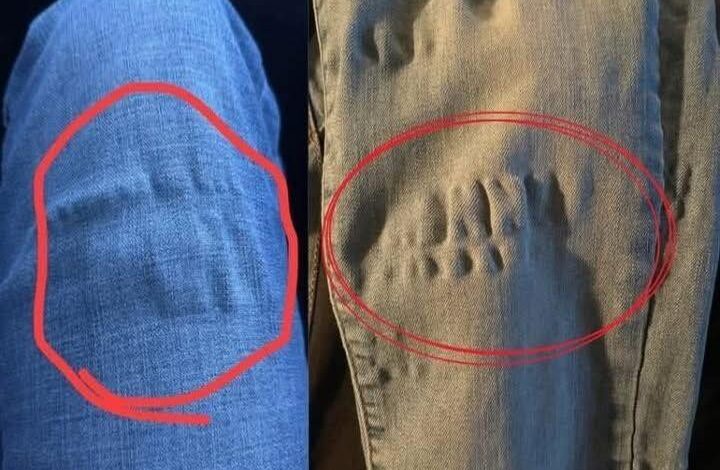
In contemporary fashion, finding the perfect pair of jeans often means balancing two qualities that traditionally did not coexist: the toughness of classic denim and the comfort of modern stretch fabrics. While today’s jeans are designed to feel soft and flexible from the first wear, many people notice an annoying issue after washing them—wrinkles, waves, and warped sections that seem impossible to smooth out. These distortions aren’t random. They usually result from the interaction between modern fabric blends, heat exposure, and the physical stress created during washing and drying. Understanding how denim behaves can help prevent these problems and keep jeans looking sharp for longer.
One major reason modern jeans develop ripples lies in how denim has changed over time. Older jeans were typically made from 100% cotton, which produced a stiff but extremely durable fabric that gradually softened with wear. Today, most jeans contain a mix of cotton and elastic fibers such as elastane or Lycra. These additions create stretch and allow jeans to fit closer to the body. However, elastic fibers are sensitive to heat. Because elastane is a type of synthetic polymer, high temperatures in hot washes or dryers can damage its structure. Once the elastic threads weaken or lose their ability to rebound, the cotton around them can shift out of alignment. This breakdown can cause permanent waviness in the fabric, sometimes referred to as elastane fatigue, which cannot easily be fixed with ironing.
Another contributor to denim distortion is excessive washing. Many people routinely wash their jeans after each wear, but textile specialists often recommend doing so far less frequently. Every wash cycle exposes denim to spinning, agitation, and detergent chemicals. Cotton fibers absorb water and expand, while elastic fibers respond differently. When these materials repeatedly stretch and contract at different rates, tension inside the weave becomes uneven. Over time, this imbalance leads to puckering or shrinking in certain areas, especially around the knees, waistband, and seat where the fabric already experiences more stress.
The washing machine itself can also influence how jeans age. Denim is naturally thick and heavy, and when soaked with water it becomes even heavier. In a crowded washing machine, jeans may not move freely. Instead, they can twist tightly or bunch together with other clothes. These twisted positions stretch some sections while compressing others. If the jeans are moved straight from this tangled state into a hot dryer, the heat effectively “locks in” the distortion. The ripples or seam twists that appear afterward are often the result of the fabric drying while misshapen.
Drying methods are equally important for maintaining denim structure. Because denim is made from multiple layers and thick seams, moisture doesn’t leave the fabric evenly. Heavier parts such as waistbands, pockets, and seams hold water longer than thinner areas of the legs. When placed in a dryer, the faster-drying sections may shrink while damp sections remain stretched. The constant tumbling motion can also cause the legs to rotate around the seams, leading to the common issue known as leg twist. Once cotton fibers are heated and cooled in this twisted configuration, they tend to keep that shape.
Fortunately, preventing these issues requires only a few adjustments to your laundry habits. One of the most effective changes is switching to cold water washes. Cold temperatures help protect both the indigo dye and the elastic fibers, reducing the risk of heat-related damage. Turning jeans inside out before washing also helps protect the outer surface from friction and helps detergents reach the areas that collect body oils.
Choosing a gentle wash cycle can further reduce strain on the fabric. A delicate cycle—or even occasional hand washing for higher-quality denim—limits the aggressive motion that can distort seams. Using detergents designed for dark fabrics can also help preserve color and prevent fading. Many denim enthusiasts also recommend washing jeans only when they are visibly dirty or begin to lose their shape.
Perhaps the most important step is avoiding the dryer whenever possible. Air drying allows the fibers to relax naturally without exposure to intense heat or tumbling. Jeans can be hung by the belt loops or laid flat in a shaded, ventilated area to dry gradually. If a dryer must be used, selecting the lowest heat setting and removing the jeans while they are slightly damp can help minimize damage. Letting them finish drying in open air prevents the fabric from becoming stiff or misshapen.
In the end, maintaining the quality of denim comes down to treating it with care. Jeans may seem like rugged everyday clothing, but modern versions are actually complex fabrics that benefit from gentle handling. Washing them less frequently, avoiding high heat, and giving them enough space in the machine can go a long way toward preserving their original shape and comfort. With the