Donald Trump Sparks Controversy After Targeting New York Times Reporter Maggie Haberman With Harsh Nickname and Legal Threats, Renewing Debate About Presidential Rhetoric, Press Freedom, and the Tense Relationship Between Political Power and the Journalists Who Cover It

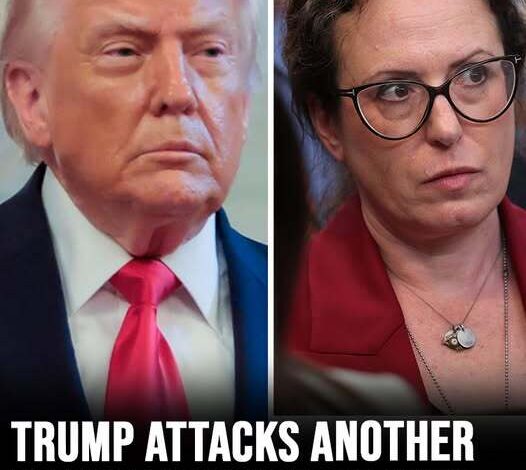
In recent months, the relationship between political leaders and journalists has once again moved to the center of public debate, particularly when strong rhetoric becomes part of the conversation. A recent example involves Donald Trump, who drew widespread attention after posting a message on his social media platform criticizing a prominent reporter and suggesting the possibility of legal action against her and her employer. The journalist mentioned in the post was Maggie Haberman, a longtime political correspondent widely recognized for her extensive reporting on Trump’s political career.
In the message, Trump used a dismissive nickname when referring to Haberman and indicated that he was considering including her in a lawsuit connected to disputes with The New York Times. The post quickly circulated across digital platforms, sparking renewed discussion about the often tense relationship between political figures and the journalists who report on them. While public criticism of reporters by politicians has long been part of political life, the tone and visibility of comments shared through social media can amplify those exchanges and turn them into broader national conversations.
The friction between Trump and the press has been a consistent element of his public career. From the earliest stages of his presidential campaign, he frequently criticized media organizations and reporters whom he believed treated him unfairly or presented biased coverage. His supporters have often interpreted these remarks as an effort to challenge established media institutions and highlight perceived flaws in traditional reporting. Critics, however, argue that harsh rhetoric directed at journalists can undermine public trust in the press and contribute to a climate where reporters face hostility for their work.
Over time, several individual journalists became regular targets of Trump’s criticism, particularly those who covered his administration closely or reported on controversial issues surrounding his presidency. Among them, Maggie Haberman has been especially visible. Her reporting has appeared frequently on the front pages of The New York Times, often drawing on extensive sources within political circles to provide insight into internal decision-making and the broader dynamics of American politics. Because of the prominence of her work, her stories have sometimes prompted strong reactions from Trump and members of his political circle.
The latest disagreement appears to have emerged without a single clearly identified event triggering it publicly. In his social media message, Donald Trump accused Haberman of publishing inaccurate or misleading reports about him and suggested he might pursue legal remedies. Legal disputes between public figures and news organizations are not uncommon, but they are typically complex matters that involve detailed examination of claims such as defamation or factual misrepresentation. Courts evaluating such cases must balance the rights of individuals to protect their reputations with the protections afforded to journalists reporting on matters of public interest.
Haberman’s career helps explain why her reporting has become so closely associated with coverage of Trump. Over the years she has built a reputation as one of the most prominent reporters covering national politics in the United States. In 2018 she was part of a team recognized for investigative reporting that examined connections between political figures and foreign influence investigations. She later authored the widely discussed book Confidence Man: The Making of Donald Trump and the Breaking of America, which explores Trump’s rise in business and politics while examining the strategies and relationships that shaped his public career. Books of this kind often generate strong reactions from the individuals they examine, particularly when they combine investigative reporting with personal and political analysis.
More broadly, the relationship between the White House and the press corps has always involved both cooperation and tension. Journalists assigned to cover the presidency play a unique role in American political life: they report on government decisions, question officials about policy choices, and attempt to provide the public with insight into the workings of the executive branch. At the same time, political leaders often feel that media coverage does not accurately reflect their intentions or accomplishments. These differences can lead to pointed exchanges during press briefings, interviews, and public appearances.
In the case of Donald Trump, interactions with reporters have often been more confrontational than those seen in previous administrations. Direct criticism of specific journalists or news organizations became a recurring theme during his presidency and has continued afterward. Supporters argue that challenging the press can help hold media institutions accountable, while critics contend that persistent attacks on journalists risk weakening public confidence in independent reporting.
Another dimension of the issue involves the growing influence of social media in shaping political communication. Platforms such as Truth Social allow political leaders to communicate directly with millions of followers without relying on traditional news outlets. This direct channel can be powerful, enabling immediate responses to criticism and allowing public figures to frame events from their own perspective. However, the speed and reach of these platforms also mean that statements made in moments of frustration or conflict can spread quickly and influence public discourse before additional context becomes available.
The exchange between Trump and Haberman also illustrates the personal dimension that can arise when political reporting intersects with the lives of powerful public figures. Journalists investigating government actions must often explore sensitive or controversial topics and ask difficult questions of those in positions of authority. These responsibilities can sometimes lead to personal criticism from the individuals being covered, particularly when stories reveal information that those figures dispute or wish to keep private.
At the same time, reporters are expected to adhere to strict professional standards—verifying information, corroborating sources, and presenting stories accurately and fairly. When disagreements over coverage become public disputes, they often symbolize broader debates about press freedom, accountability, and the role of journalism in democratic societies.
Ultimately, the controversy surrounding Donald Trump and Maggie Haberman reflects a long-standing tension between political leadership and the press. Throughout history, journalists have frequently faced criticism from the individuals they investigate, while politicians have often felt that media coverage portrays them unfairly. When these disagreements involve prominent figures and influential news organizations such as The New York Times, they naturally draw widespread attention.
Whether this situation develops into formal legal action or remains part of the ongoing rhetorical conflict between politicians and the media, it highlights the continuing importance of independent journalism in examining political power and informing the public. At the same time, it serves as a reminder that public discourse—especially when conducted on widely visible platforms—can shape how people perceive both individual journalists and the institutions they represent.