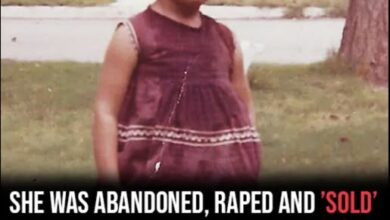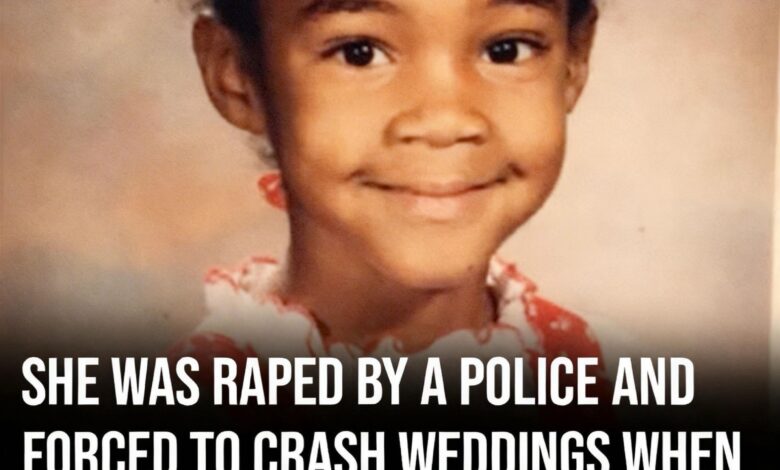
Her life was never defined by ease or security. Instead, it was shaped piece by piece—through fear, responsibility far beyond her years, and a strength that held firm even when everything around her fell apart.
She entered the world on December 3, 1979, in Los Angeles, California, already surrounded by instability. Her father left when she was still very young, vanishing before she could truly know him. That absence left her mother to carry everything alone, working multiple jobs just to support Tiffany and her siblings. Life was difficult, but there was still some sense of order and care.
Then everything shifted.
At nine years old, her world changed dramatically when her mother was involved in a serious car accident. The injuries caused lasting brain damage that later developed into schizophrenia. The person who had once been her foundation became unpredictable and, at times, frightening. The home that had once provided comfort turned into a place of instability and tension.
From that moment on, childhood as she knew it was gone.
She took on responsibilities no child should bear—cooking, cleaning, and caring for her siblings. Yet she was still just a young girl trying to survive in an environment where each day brought uncertainty. There were brief moments of calm, but also episodes that made life feel unsafe and chaotic.
Eventually, authorities stepped in.
She and her siblings were removed from their home and placed into foster care. At first, they were separated, sent to different homes filled with unfamiliar faces and new rules. The transition was sudden and painful, leaving her disoriented and alone.
She carried her belongings in trash bags—an experience that stayed with her long after. It wasn’t just inconvenient; it made her feel as though her life could be packed up and moved at any moment, as if she didn’t truly belong anywhere.
During those years, she felt unseen.
Unwanted.
Forgotten.
School didn’t offer relief. She struggled to focus under the weight of everything she carried. Socially, things were just as difficult—she faced bullying and felt misunderstood. Instead of shutting down, she developed a defense: humor.
If she could make people laugh, she could take control.
If they were laughing, they weren’t hurting her.
Humor became her shield. She turned pain into jokes and fear into stories that made others smile. But beneath that laughter was unresolved trauma she didn’t yet know how to handle.
As she grew older, the hardships didn’t fade—they intensified. She later spoke about experiencing abuse and assault during her teenage years, leaving deep emotional scars. For many, that kind of pain leads to silence.
She chose not to disappear.
A turning point came when someone recognized something more in her. A social worker saw her humor not as misbehavior, but as potential, and introduced her to a comedy camp for troubled youth.
That opportunity changed her life.
For the first time, her voice mattered. On stage, she could reshape her experiences into something powerful. Her struggles became stories that people could connect with—and laugh at, not in mockery, but in understanding.
That difference meant everything.
Comedy gave her control, purpose, and a way to be seen without judgment.
Still, growth didn’t mean an easy path forward.
After aging out of foster care, she was on her own. With no safety net, she struggled to survive. At times, she was homeless—sleeping in her car and using gym memberships just to shower.
Survival remained a daily challenge.
But she held on to comedy. She performed wherever she could—small venues, open mics, any place that gave her a chance. Many nights brought no money, and some brought no laughter, but she kept going.
Rejection was constant.
So was her determination.
Gradually, opportunities began to appear. Small television roles gave her exposure. She wasn’t famous yet, but she was building momentum step by step.
Years passed in that grind—auditions, setbacks, and persistence.
Then everything changed.
She landed a role in Girls Trip.
It wasn’t just another job—it was her breakthrough. Her performance was bold, raw, and unforgettable. She didn’t just play a character; she made it her own. Audiences connected with her authenticity immediately.
She didn’t blend in—she stood out.
Almost overnight, she became a breakout star. The woman who once carried her life in trash bags was now walking red carpets and gaining worldwide recognition.
From there, opportunities multiplied—hosting major shows, starring in films, and performing stand-up specials.
She also released a memoir that became a bestseller, sharing her story openly. The experiences that once made her feel small were now inspiring millions.
Success didn’t erase her past.
She chose not to hide it—but to own it.
She spoke openly about foster care, homelessness, and abuse—not for sympathy, but to show what survival truly looks like. To prove that being broken doesn’t mean being finished.
She also gave back, supporting foster youth and programs that help children facing similar struggles. She understood what it felt like to be abandoned, and she used her voice to make sure others didn’t feel alone.
Her story isn’t about luck.
It’s about resilience.
A child forced to grow up too soon.
A teenager carrying trauma but refusing to be silenced.
A young woman who faced homelessness yet kept chasing something bigger.
And eventually, a voice that the world couldn’t ignore.
From foster homes to global stages, every step of her journey was earned through struggle and persistence.
She was told she wasn’t enough.
That she wouldn’t succeed.
That she didn’t matter.
She proved otherwise.
Today, she stands as one of the most powerful voices in comedy—not because life gave her opportunities, but because she refused to let it take everything from her.
Her name is Tiffany Haddish.
And her story isn’t about where she began—
It’s about what she built from it.