In the rapidly changing consumer culture of 2026, the relationship between retail design and public sensitivity has become increasingly complex. A simple product meant for seasonal humor can quickly ignite broader cultural conversations. Recently, Target—a major figure in the American retail landscape—found itself at the center of such a discussion after a holiday-themed shirt sparked debate about how mental health is represented in everyday language.
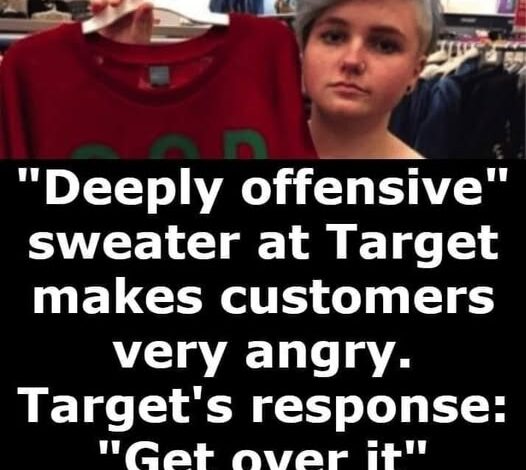
The issue began when a shopper named Reign Murphy noticed a shirt that read: “OCD: Christmas Obsessive-Compulsive Disorder.” While the design was likely intended as a lighthearted holiday joke about festive enthusiasm, Murphy felt the phrase trivialized a serious mental health condition. She shared her concerns on social media, pointing out that obsessive-compulsive disorder is not simply about being organized or enthusiastic about holidays—it is a real and often debilitating condition that affects millions of people.
Her post quickly gained attention online and opened a wider conversation about how mental health terminology is sometimes used casually in marketing and everyday speech. For many people living with OCD, the disorder involves intrusive thoughts and compulsive behaviors that can interfere significantly with daily life. Because of this, some individuals felt the shirt minimized the seriousness of the condition by turning it into a seasonal pun.
As the conversation spread across social media platforms, a wide range of perspectives emerged. Some individuals with OCD agreed with Murphy’s concerns and argued that companies should be more thoughtful when referencing medical conditions in product designs. Others, including some people who also live with the disorder, said they did not find the shirt offensive and viewed it as harmless humor.
The debate highlighted how differently people can interpret the same message depending on their experiences and perspectives.
Target responded to the situation through a company spokesperson, expressing regret that the design had made some customers uncomfortable while emphasizing that there was no intention to offend. The retailer noted that products often resonate differently with different audiences and that feedback from shoppers is an important part of how companies evaluate their merchandise.
Despite the criticism, the company chose to continue offering the shirt as part of its seasonal collection, acknowledging that reactions to humor and messaging can vary widely among consumers.
For many observers, the episode reflects a broader shift in how brands interact with their audiences. In today’s digital environment, consumers play a powerful role in shaping the public meaning of products. A design that may seem playful or harmless in a creative meeting room can take on very different significance once it reaches the public.
The discussion also highlights the growing emphasis on mental health awareness in modern culture. As society becomes more informed about psychological conditions, many people are encouraging greater care in how related language is used in public spaces, advertising, and everyday conversation.
At the same time, debates like this demonstrate the challenges companies face in balancing creativity with sensitivity. Humor, especially in seasonal marketing, often relies on wordplay and exaggeration. Yet the same humor can be interpreted differently depending on cultural context and personal experience.
In that sense, the conversation surrounding the “OCD Christmas” shirt represents more than a single product controversy. It reflects a broader cultural moment in which consumers are increasingly engaged in discussions about representation, language, and respect.
For shoppers, brands, and advocates alike, the incident serves as a reminder that language carries meaning beyond its immediate intent. In an interconnected marketplace where conversations spread rapidly online, even small design choices can spark larger reflections about empathy and understanding.
Ultimately, the debate surrounding the shirt illustrates how modern consumer culture operates as an ongoing dialogue between companies and the public. While opinions may differ, the discussion itself encourages greater awareness about mental health and the impact words can have on those who live with real challenges every day.