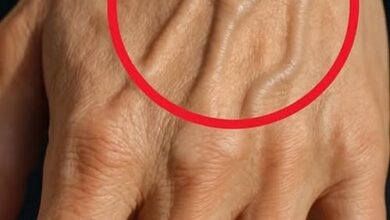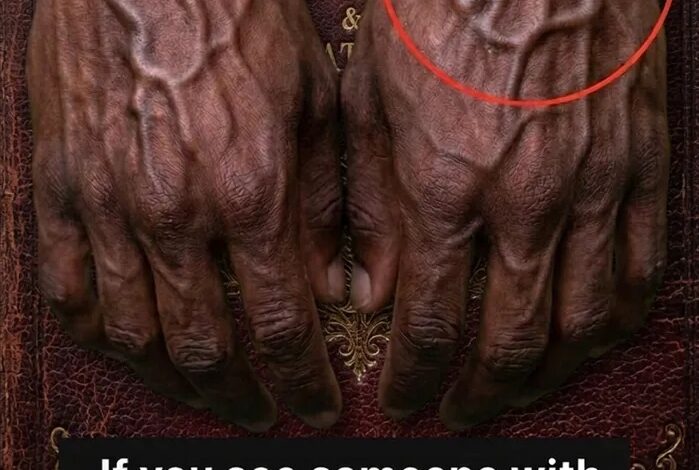
The human hand is one of the most intricate structures in the body. Beneath the skin lies a sophisticated system of bones, tendons, and blood vessels that allow us to perform precise movements every day. Because of this complexity, noticing something unusual—like raised blue or green veins across the back of the hand—can quickly cause concern. Many people immediately wonder whether these visible veins might signal a problem with their circulation or heart health.
However, medical understanding in 2026 continues to emphasize that, in most cases, visible veins in the hands are completely normal. Rather than indicating a medical issue, they are usually just a natural part of how the body functions.
Why Veins in the Hands Are So Visible
To understand why veins often stand out on the hands, it helps to look at the anatomy of this part of the body. Unlike areas such as the abdomen or thighs, which contain thicker layers of fat beneath the skin, the back of the hand has very little cushioning tissue. The skin here is naturally thin so the hand can move freely and flex easily.
Because there is minimal padding between the surface of the skin and the veins beneath it, these vessels are more likely to be seen. For people with lower body fat, the effect can be even more noticeable. What may appear to be veins “bulging” is often simply healthy blood flowing through vessels that sit close to the skin.
In many situations, visible veins actually indicate that circulation is working efficiently rather than poorly.
The Role of Aging
Changes in the appearance of the hands are most commonly linked to the natural aging process. As the body grows older, the skin gradually produces less collagen and elastin—proteins that help maintain thickness and elasticity.
Over time, the skin becomes thinner and slightly more transparent. At the same time, the small fat layer beneath the skin on the back of the hands begins to decrease. Together, these changes make the underlying veins easier to see.
Although this transformation can seem sudden for people entering middle age or later adulthood, it is generally considered a normal part of healthy aging rather than a sign of illness.
Genetics and Natural Body Traits
Genetics also play a major role in how visible veins appear. Some individuals naturally have larger veins or more translucent skin. If parents or grandparents had prominent veins on their hands, it is likely that future generations may have them as well.
These inherited traits determine how blood vessels sit beneath the skin and how easily they can be seen.
Temperature and Daily Changes
The visibility of veins can also fluctuate throughout the day due to environmental conditions. Temperature is one of the most influential factors.
When the body becomes warm—during hot weather or in a heated room—the veins expand. This process, called vasodilation, helps move blood closer to the surface of the skin so excess heat can escape.
In colder environments, the opposite occurs. Blood vessels narrow to conserve warmth, which often makes the veins appear less visible.
Exercise and Physical Activity
Physical activity can also make veins appear more pronounced. During exercise, the heart pumps more blood to the muscles to supply oxygen and nutrients. In response, veins widen to handle the increased blood flow returning to the heart.
People who regularly perform strength training or physically demanding work may notice that their veins remain more visible even when resting. As muscles grow and body fat decreases, the veins may lie closer to the skin’s surface.
In fitness culture, this effect is often called “vascularity” and is usually considered a sign of strong circulation and muscular development.
When Visible Veins Might Signal a Problem
Although visible veins are usually harmless, doctors note that appearance alone rarely determines whether there is a medical issue. Instead, symptoms that accompany the veins are far more important.
Normal veins are typically soft and may flatten when the hand is raised above heart level. However, certain symptoms could indicate an underlying condition.
For example, persistent swelling in the hand or arm—especially swelling that leaves a dent when pressed—may suggest venous insufficiency. This occurs when valves inside the veins struggle to keep blood flowing in the proper direction.
Other warning signs may include:
- Redness or warmth along a vein
- Hardness or tenderness in a specific area
- Continuous aching or heaviness in the hand or arm
- Numbness or tingling sensations
- A bluish discoloration of the fingertips
These symptoms can sometimes signal inflammation or a blood clot in a surface vein, known as phlebitis. If these changes occur, medical evaluation is recommended.
Without these accompanying symptoms, however, visible veins are usually just part of the body’s normal vascular system doing its job.
Supporting Healthy Circulation
Maintaining good circulatory health involves more than simply observing the appearance of veins. Lifestyle habits play a key role in keeping the cardiovascular system functioning well.
Regular physical activity—such as walking, swimming, or cycling—strengthens the heart and improves blood flow throughout the body.
Staying properly hydrated is also important because fluid levels influence blood thickness. When the body is dehydrated, blood can become thicker, making circulation less efficient.
Additionally, avoiding long periods of inactivity helps prevent blood from pooling in the limbs. Even small movements, like stretching the fingers, rotating the wrists, or squeezing a stress ball, can encourage blood to circulate effectively in the hands and arms.
A Different Perspective on Visible Veins
The veins that appear across our hands are not flaws but essential pathways that keep the body alive and active. They deliver blood back to the heart after oxygen has been used by the body’s tissues.
As the years pass and the skin naturally changes, these veins may become more noticeable. Rather than signaling danger, they often reflect a lifetime of movement, activity, and healthy circulation.
Unless they are accompanied by discomfort, swelling, or other unusual symptoms, visible veins in the hands are simply part of the body’s remarkable design—quietly doing their work every second to keep blood flowing where it needs to go.