THE HIDDEN TRUTH ABOUT THE SHRIMP VEIN AND WHY YOU NEED TO KNOW WHAT YOU ARE REALLY EATING BEFORE YOUR NEXT SEAFOOD DINNER

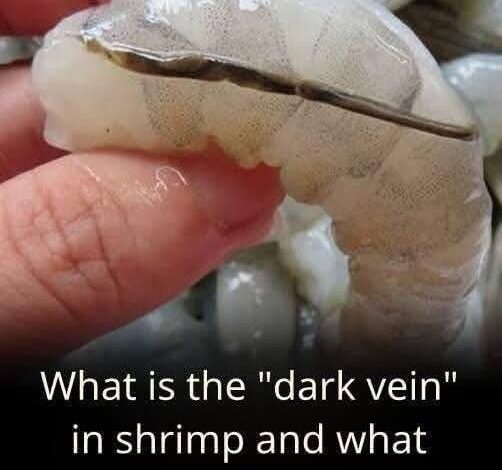
The world of cooking is full of small details that can feel surprisingly intimidating, especially when tradition and half-truths get mixed together. One of the most common sources of quiet confusion in the kitchen is that thin, dark line running along the back of a shrimp. Many people have heard it called a “vein,” seen tools made specifically to remove it, and wondered whether skipping that step is a mistake—or even unsafe. The truth, however, is far simpler and far less alarming than it’s often made out to be.
First, it’s important to clear up the biggest misconception: that line is not a vein at all. Despite the name, it has nothing to do with blood flow or circulation. What you’re actually looking at is the shrimp’s digestive tract—a narrow tube that carries waste through its body. Because shrimp feed along the ocean floor, consuming organic debris like algae, plankton, and tiny particles of sediment, that tract can sometimes contain bits of what they’ve recently eaten. Its dark color is simply a reflection of that content.
Understandably, this raises the next question: is it safe to eat? According to food safety experts, the answer is yes. When shrimp are properly cooked—whether boiled, grilled, fried, or sautéed—any bacteria present are eliminated by heat. There is no inherent health risk in eating the digestive tract of cooked shrimp. It’s not toxic, and it doesn’t pose any hidden danger. From a purely safety standpoint, leaving it in is perfectly fine.
That said, cooking isn’t just about safety—it’s about enjoyment. And this is where the decision to remove the tract becomes more about quality than necessity. One of the main reasons chefs choose to devein shrimp, especially larger ones, is texture. Because shrimp can ingest tiny grains of sand or grit, the digestive tract may occasionally hold those particles. Biting into an otherwise tender shrimp and encountering a slight crunch can be off-putting, even if it’s harmless. In bigger shrimp, this is more noticeable and can affect the overall eating experience.
Flavor is another consideration. While often subtle, the contents of the tract can sometimes add a slightly bitter or “earthy” note that interferes with the naturally sweet, clean taste of shrimp. For dishes where the shrimp is the star—like grilled prawns, shrimp cocktail, or simple scampi—removing the tract helps preserve a purer flavor profile.
Then there’s presentation. In more refined dishes, appearance matters. A dark line running through a pink, translucent shrimp can look unappealing to some diners and may give the impression of rushed preparation. Removing it creates a cleaner, more polished look, allowing the natural color and texture of the shrimp to stand out.
However, it’s important to understand that deveining is not a strict rule—it’s a choice. For smaller shrimp, the tract is often so tiny that it’s barely visible and rarely affects taste or texture. In dishes with bold sauces or mixed ingredients—like stir-fries, curries, or pasta—the difference is usually negligible. In fact, in many culinary traditions around the world, shrimp are cooked and eaten whole, vein and all, without any concern.
For home cooks, the best approach is a practical one. If you’re working with large shrimp and aiming for a clean, refined dish, taking a moment to devein them is worth the effort. It improves texture, flavor, and presentation. But if you’re cooking smaller shrimp or preparing something casual and flavorful, you can skip the step without worry.
In the end, that mysterious “vein” isn’t something to fear—it’s just a natural part of the shrimp. Once you understand what it is and how it affects your dish, the uncertainty disappears. What’s left is a simple decision based on your preferences, your recipe, and the experience you want to create. And that’s what confident cooking is really about—knowing when something matters, and when it doesn’t.