Venus Dimples Explained: Anatomy, Appearance, and Common Misconceptions
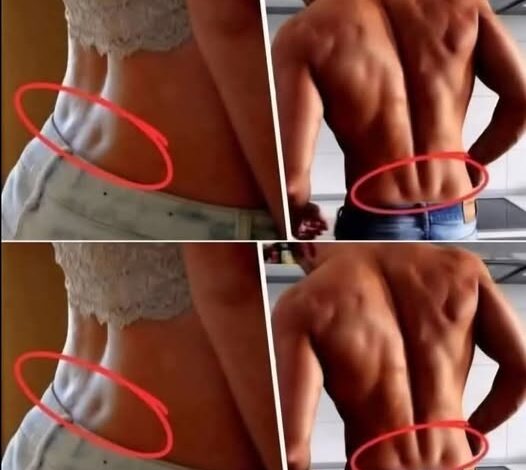
Venus dimples—sometimes referred to as dimples of Venus or back dimples—are small, symmetrical indentations that appear on the lower back, just above the buttocks along the waistline. These subtle features have long been associated with attractiveness in many cultures. However, beyond their aesthetic appeal, they are simply a natural variation in human anatomy.
What Are Venus Dimples?
Venus dimples form at a specific point on the lower back where the pelvis meets the sacrum. More precisely, they correspond to the area where the posterior superior iliac spine sits close to the skin’s surface. Because of their location, these indentations are usually visible when the lower back is uncovered—such as while wearing swimwear—or when a person bends slightly forward.
Why Do Some People Have Venus Dimples?
Not everyone develops these indentations, and their appearance depends on several factors:
- Bone and ligament structure: A shorter ligament or a natural attachment between the skin and the underlying bone can create the visible indent.
- Genetics: The presence of Venus dimples often runs in families, suggesting a strong genetic component.
- Body composition: Individuals with lower body fat or more defined lower-back muscles may show these dimples more clearly.
Importantly, Venus dimples are purely cosmetic. They do not influence a person’s health, strength, or physical abilities.
Venus Dimples vs. Sacral Dimples
Venus dimples are sometimes confused with sacral dimples, but they are not the same. Sacral dimples appear lower on the back, closer to the tailbone. In certain cases, sacral dimples can be associated with underlying spinal conditions, such as spina bifida occulta, and may appear alongside other skin changes. When this occurs, doctors might recommend imaging tests like an ultrasound or MRI.
Venus dimples, on the other hand, are harmless anatomical features and require no medical evaluation.
Myths and Misconceptions
Over time, several myths about Venus dimples have circulated:
- They indicate better health or fertility.
There is no scientific evidence supporting any link between Venus dimples and health, fertility, or sexual function. - Everyone can develop them through exercise.
While fitness can make them more noticeable, their presence depends primarily on genetics and bone structure.
You may also hear the term “Apollo holes” when referring to these dimples in men. The structure and location are identical; the name simply reflects a gendered variation in terminology.
The Bottom Line
Venus dimples are natural indentations on the lower back created by the interaction of bone structure, ligaments, and genetics. They are harmless and purely aesthetic. Understanding the difference between Venus dimples and sacral dimples helps distinguish a normal anatomical feature from something that may require medical attention. Ultimately, these small variations remind us of the many unique ways human anatomy can differ from person to person.