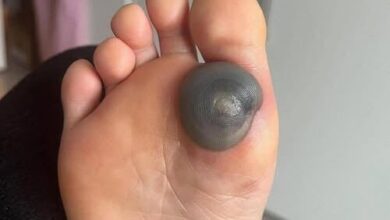
If You See Someone With Swollen Veins, Here Is What Their Body May Be Signaling, Why It Happens More Often Than People Realize, When It Is Harmless, When It Is Not, and What Should Never Be Ignored for Long Term Health

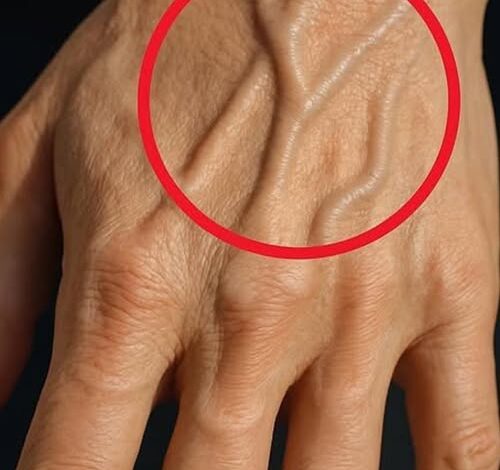
What Visible Veins Can Reveal About Circulation and Overall Health
Noticing veins that appear swollen or unusually visible on the hands, arms, legs, or feet can make many people uneasy. For some, the change seems sudden and alarming. Others observe it gradually over time and assume it is simply part of aging or body composition.
In many cases, visible veins are harmless. They may result from factors such as low body fat, physical activity, or warm temperatures. However, veins do not usually become prominent without a reason. The circulatory system constantly responds to internal and external influences—including hydration levels, blood pressure, hormones, activity, and overall health.
When veins become raised, twisted, or noticeably swollen, the body may be signaling changes in circulation or vascular function. Sometimes these changes are normal. In other cases, they may indicate underlying conditions that develop quietly over time.
Understanding why veins become more visible helps distinguish between normal changes and signs that deserve medical attention.
The Role of Veins in the Circulatory System
Veins play a crucial role in returning blood back to the heart. Unlike arteries, which transport blood away from the heart under strong pressure, veins rely on a system of muscle movement and one-way valves to move blood upward against gravity.
When the valves inside veins weaken or pressure increases within them, blood may begin to pool. This buildup of pressure can cause veins to expand, making them appear raised or more noticeable beneath the skin.
Sometimes this happens temporarily due to environmental or lifestyle factors. In other cases, it reflects long-term structural changes in the veins.
Common Reasons Veins Become More Visible
Several everyday factors can cause veins to appear larger or more prominent.
Aging
As the body ages, vein walls naturally lose some of their elasticity. The valves that regulate blood flow may weaken over time, allowing small amounts of blood to flow backward. This increases pressure inside the veins and can cause them to bulge.
Genetics
Family history plays an important role in vein health. Individuals with relatives who have varicose veins or circulation issues are more likely to experience similar changes.
Low Body Fat
A thin layer of fat normally sits between the skin and the veins. When body fat is low, veins are simply easier to see. This is especially common in athletes, lean individuals, and older adults who lose subcutaneous fat as they age.
Physical Activity
Exercise temporarily increases blood flow to working muscles. As a result, veins expand to accommodate the increased circulation. This is why veins often become more visible during workouts but return to normal afterward.
Heat
Warm temperatures cause blood vessels to widen as the body tries to regulate temperature. Hot weather, warm baths, or saunas may make veins appear temporarily larger.
Dehydration
When the body lacks adequate fluids, blood volume can decrease and become thicker. This forces the circulatory system to work harder, which may make veins more noticeable.
Hormonal Changes
Hormonal shifts during pregnancy, menopause, or while taking certain medications can influence blood vessel tone and circulation. During pregnancy, increased blood volume and pressure frequently cause visible veins, especially in the legs.
When Swollen Veins May Indicate a Medical Condition
Although many causes are harmless, certain vein changes may signal underlying health issues.
Varicose Veins
Varicose veins occur when vein valves fail to function properly. Blood collects inside the vein, causing it to enlarge and twist. These veins are most common in the legs and may cause aching, heaviness, itching, or burning sensations.
Chronic Venous Insufficiency
In more advanced cases, veins consistently struggle to return blood to the heart. This condition may cause persistent swelling, skin discoloration, tightness, and visible vein enlargement.
Blood Clots
A clot in a deep vein—known as deep vein thrombosis (DVT)—can lead to swelling, warmth, redness, and pain, typically in one leg. This condition requires immediate medical attention because clots can travel to the lungs.
Superficial Thrombophlebitis
Inflammation in a surface vein may appear as a firm, tender cord beneath the skin. While less dangerous than deep clots, it still requires evaluation by a healthcare professional.
Heart or Liver Conditions
Certain heart or liver problems can affect blood flow and pressure within the circulatory system. In these cases, swollen veins may appear alongside symptoms such as fatigue, fluid retention, or abdominal swelling.
Why Location Matters
The part of the body where veins appear swollen can offer useful clues.
Hands:
Often related to aging, thin skin, or physical activity. Typically harmless unless accompanied by pain or sudden changes.
Arms:
May occur due to exercise or repetitive movement. Sudden swelling in one arm should be checked by a doctor.
Legs:
The most common area for vein problems. Gravity places continuous pressure on leg veins, especially in people who stand or sit for long periods.
Feet and ankles:
Swelling and visible veins here may indicate circulation issues if the condition persists.
Warning Signs That Should Not Be Ignored
While visible veins are often harmless, certain symptoms warrant medical attention:
- Pain or tenderness around the vein
- Warmth or redness in the area
- Sudden swelling in one limb
- Skin darkening or irritation
- Persistent itching or sores near the veins
- Rapid changes in vein size or appearance
These symptoms may suggest inflammation, circulation problems, or clot formation.
Lifestyle Factors That Affect Vein Health
Daily habits can significantly influence circulation and vein function.
Prolonged Sitting or Standing
Remaining in the same position for long periods slows blood flow and increases pressure in the veins, particularly in the legs.
Lack of Movement
The calf muscles act as a natural pump that helps push blood upward. Weak or inactive muscles can reduce circulation efficiency.
Excess Weight
Extra body weight places additional pressure on the circulatory system and can accelerate vein damage.
Smoking
Smoking damages blood vessels and reduces circulation, increasing the risk of vascular problems.
Diet and Hydration
Poor nutrition and dehydration can contribute to inflammation and thicker blood, placing additional strain on veins.
Habits That Support Healthy Circulation
Fortunately, many simple habits can help maintain vein health:
- Walk regularly and avoid long periods of inactivity
- Stretch and move the legs throughout the day
- Stay well hydrated
- Elevate the legs periodically to improve blood return
- Maintain a healthy body weight
- Use compression garments if recommended by a healthcare provider
- Strengthen leg muscles through exercise
The Emotional Side of Visible Veins
For many people, swollen or prominent veins are not just a physical concern—they can also affect confidence. Some individuals feel self-conscious about their appearance or avoid clothing that exposes their arms or legs.
Recognizing that veins are part of the body’s natural circulatory system can help shift this perspective. Visible veins are often simply a reflection of how the body responds to movement, temperature, or aging.
Listening to the Body’s Signals
Visible veins should not automatically cause alarm, but they should not be dismissed either. They are a signal—one piece of information about circulation and vascular health.
Sometimes they represent harmless changes. Other times they serve as early indicators that the body needs attention, lifestyle adjustments, or medical evaluation.
Paying attention to symptoms such as pain, skin changes, or sudden swelling can help identify potential problems early.
The Bigger Picture
Healthy veins support the entire circulatory system. They play a vital role in heart health, mobility, and the delivery of oxygen and nutrients throughout the body.
When veins become swollen or highly visible, the body may simply be adapting to normal conditions—or it may be asking for better hydration, more movement, reduced pressure, or professional evaluation.
The key is awareness.
Visible veins are not merely a cosmetic issue. They are part of a larger conversation about circulation, aging, and overall well-being.
Listening to these signals early can help prevent complications and support long-term health.