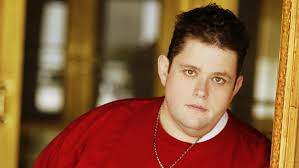
For years, Ralphie May stepped onto stages with a presence that felt enormous in every possible way.
The booming voice.
The fearless timing.
The laugh that seemed to fill a room before the audience had even finished processing the joke.
He carried himself with the kind of confidence people often mistake for invincibility. He was the comic willing to say the uncomfortable thing first, louder and more boldly than anyone else dared. Audiences connected with him because he did not simply perform jokes. He dragged shame, addiction, insecurity, pain, and self-destruction into the light and somehow turned them into something people could laugh about together.
But behind that massive stage presence was a man carrying struggles that could never stay hidden forever.
That may be why his death struck the comedy world so deeply.
Not because people truly believed Ralphie May was untouchable.
But because, somewhere beneath the laughter, they knew he was not.
They had watched him fight himself in public for years.
Before the fame, before the television specials, before the sold-out theaters, Ralphie was a kid from Arkansas trying to survive a life and a body that made him feel different before he ever held a microphone. His weight shaped how the world saw him early. Children can be cruel to anyone who stands out, and body size is impossible to hide. For heavy kids, every classroom, cafeteria, hallway, and public space can become a reminder that their body arrives before their personality does.
Comedy became his defense.
That happens more often than people realize.
Many comedians learn timing before they ever learn confidence. They discover that if they can make people laugh first, they can take control of humiliation before it is used against them. If you turn yourself into the joke, cruelty loses some of its power.
Ralphie learned that instinct early.
Then he built a career from it.
When Last Comic Standing brought him to mainstream attention, audiences noticed the obvious things first: his size, his volume, his refusal to hold back. But what separated him from other loud comedians chasing shock value was the vulnerability underneath it all.
Beneath the outrageous stories and brutal punchlines was real exposure.
Ralphie did not joke about addiction, depression, food, shame, or self-destruction simply because they were edgy topics. He joked about them because he knew them intimately.
That difference mattered.
Audiences can feel the difference between performance and confession, even when confession is dressed up as comedy. Ralphie’s material worked because truth lived beneath the exaggeration. He was not laughing at pain from a safe distance. He was describing it from inside the room.
And somehow, that honesty made people feel less alone.
Fans struggling with obesity heard someone refuse shame in public.
People battling addiction recognized familiar darkness underneath the laughter.
Audience members dealing with depression saw a man admit pain without pretending that healing was simple, clean, or inspirational.
Ralphie gave people permission to be unfinished.
That may be why so many fans remember his comedy as more than funny.
They remember it as comforting.
He turned humiliation into connection.
There is something deeply human about watching another person expose their flaws loudly enough that your own flaws feel less isolating for a while.
But carrying pain publicly has a cost.
The entertainment industry often rewards wounded performers until their wounds become inconvenient. Audiences praise honesty as long as it remains entertaining. Managers encourage vulnerability as long as tickets keep selling. Comedians keep walking onto stages night after night, turning private damage into professional material because the show must continue no matter what is happening behind the curtain.
For Ralphie, that pressure was constant.
Touring.
Health scares.
Weight struggles.
Substance abuse.
The emotional weight of his marriage ending.
Financial pressure.
Industry demands.
And through all of it, he was still expected to be the funny guy.
People often forget how lonely comedy can be.
From the outside, stand-up looks loud and social. Crowded clubs. Roaring audiences. Backstage stories. Late nights. But much of the life happens alone.
Airports.
Hotel rooms.
Highways.
Late-night drives between cities.
The adrenaline of a show followed by the silence that comes after everyone goes home.
For comics already fighting depression or addiction, that lifestyle can magnify every weakness.
Ralphie spoke openly about many of those struggles, which made people admire him even more. He did not hide behind a polished celebrity image. He admitted failures. He admitted relapses. He admitted fear. In a culture obsessed with perfect branding, his messiness felt real.
But being real does not make a person safe from collapse.
Sometimes it simply means the collapse happens where everyone can see it.
After his death, comedians began sharing stories that revealed another side of him.
Not just the loud headliner.
The mentor.
The comic who stayed after shows to talk with nervous younger performers.
The established name who offered stage time, encouragement, and advice instead of guarding opportunity selfishly.
Other comedians remembered him helping newcomers after bad sets, reminding them that bombing was not the end of the world, and pushing them back toward the microphone when embarrassment made them want to quit.
That kind of generosity matters in comedy.
Stand-up can be brutally competitive. Careers often depend on limited opportunities, fragile visibility, and rooms where nobody owes anyone kindness. Older comics do not always help younger ones. Some protect their status. Others become unreachable once success arrives.
Ralphie seemed to remember how hard the beginning felt.
So he reached back.
And after he was gone, many younger comics realized how much confidence he had quietly given them during moments when they had almost walked away.
Fans revisiting his specials now hear them differently.
The jokes are still funny.
But hindsight changes the sound.
Beneath the laughter, there is exhaustion.
Pain hidden inside timing.
Loneliness folded into punchlines.
Self-awareness that audiences may have mistaken for pure confidence.
That often happens after comedians die. Their humor starts to reveal a different layer. Lines that once sounded outrageous begin to feel vulnerable. Jokes about death, addiction, despair, or self-destruction start to sound less like performance and more like warning signs people did not fully understand at the time.
People begin asking how much was comedy.
And how much was confession.
Ralphie’s death also forced uncomfortable conversations about health and entertainment. Obesity becomes complicated when it is tied to comedy because audiences often made his body part of the spectacle. Interviewers asked intrusive questions. Media coverage frequently focused on his size before his craft. His weight became part of his public identity whether he wanted it to or not.
But behind the spectacle was a real body under real strain.
Sleep apnea.
Cardiovascular pressure.
Exhaustion.
The physical toll of years on the road.
The damage addiction and stress can quietly build over time.
Fame can make physical fragility easy to ignore until tragedy reveals it all at once.
And sudden loss feels especially disorienting when the person lost had a personality that seemed to take up so much space.
That may be why his absence feels so strangely quiet now.
Big personalities create their own gravity. They dominate rooms, conversations, backstage areas, and entire social circles. When they vanish, the silence they leave behind feels unnatural.
Comedy clubs still open.
Stages are still lit.
Audiences still gather.
But somewhere in green rooms and late-night conversations, there is the feeling that Ralphie should still be there too.
Laughing too loudly.
Telling impossible stories.
Encouraging some nervous young comic to take the stage before fear wins.
That is the hardest part of losing performers like him.
It is not only the loss of entertainment.
It is the loss of a particular kind of emotional energy that cannot be replaced.
Because beneath the chaos, Ralphie May represented something deeply meaningful to many people.
He was proof that damaged people could still create joy.
Not perfect joy.
Not clean healing.
Messy joy.
The kind that rises directly out of pain instead of pretending pain never existed.
His comedy mattered because it acknowledged suffering without surrendering completely to hopelessness. He could be brutal with himself, but he also invited audiences to survive with him through laughter. In doing that, he made many people feel less ashamed of their own struggles.
That legacy lasts longer than any single punchline.
The recordings remain.
The specials remain.
The jokes still echo through headphones, televisions, and late-night replays.
But what remains most powerfully beneath all that noise is something quieter.
The memory of a man who carried enormous pain in public, turned it into connection, and spent much of his life trying to make other broken people feel less alone while fighting his own darkness at the same time.
Maybe that is why his death still hurts people who never met him.
Because sometimes the loudest comedians are the ones fighting hardest just to stay afloat.
And when they are gone, audiences realize too late how much humanity had been hiding beneath the laughter.