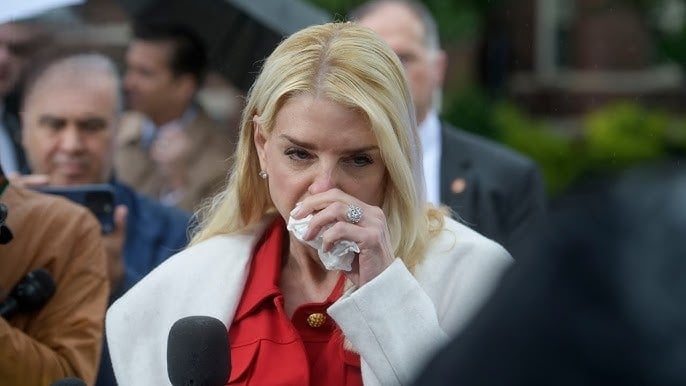
She steps into office under an unforgiving spotlight, one that magnifies not only her promises but every move she makes. Supporters see in her a long-awaited chance to challenge corruption and restore trust for communities that have spent years feeling overlooked or dismissed. At the same time, skeptics question whether any one figure can truly disrupt systems that have proven so resilient. The expectations are not just high—they are immediate, pressing, and often conflicting.
Her agenda, centered on transparency and accountability, has already begun to unsettle those who benefit from the status quo. Power structures rarely yield without resistance, and the pushback may not always be visible. It can take the form of delays, bureaucratic friction, or quiet efforts to dilute reform before it takes hold. The real test will not just be in what she proposes, but in how she navigates the subtle and persistent forces working against change.
As she moves forward, each decision carries symbolic weight. Every policy choice, every partnership, every public statement will be interpreted as an indication of where her loyalties truly lie. In an environment shaped by polarization and mistrust, even small actions can be amplified into broader narratives about intent and integrity. That scrutiny comes with the territory, but it also raises the stakes—leaving little room for ambiguity or miscalculation.
Her framing of the role as a moral responsibility, rather than simply a legal or administrative position, adds another layer of pressure. It sets a higher bar, one that demands not only competence but consistency between words and outcomes. That kind of positioning can inspire confidence, but it also invites sharper criticism when expectations aren’t met.
If she succeeds in translating her commitments into tangible reform—strengthening oversight, improving cooperation across institutions, and delivering measurable results—she could help redefine what leadership in this space looks like. But the path there is unlikely to be straightforward. It will require persistence, political skill, and the ability to withstand both open opposition and quieter forms of resistance.
In the end, this moment is about more than one office or one agenda. It reflects a broader question about whether meaningful accountability can take root in systems long shaped by compromise and inertia. If she can hold that line and build momentum despite the pressures around her, it may signal not just a personal victory, but a shift in how power is exercised and judged in public life.