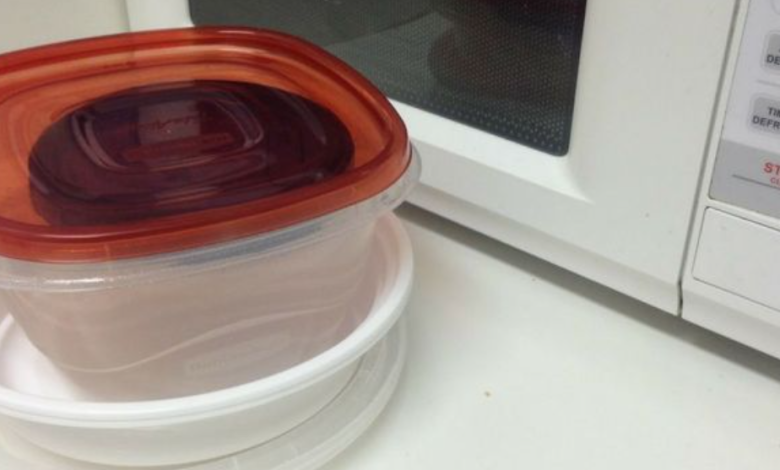
With so much health advice circulating—often contradictory and overwhelming—it’s easy to feel unsure about what truly matters. One week something is considered harmless, the next it’s labeled dangerous. Despite all the mixed messages, there is one issue that medical professionals and researchers have been consistently cautioning against for years: the everyday use of plastic food containers.
Most of us want to make choices that protect our health, especially when it comes to our families and children. But keeping up with evolving research isn’t always easy, and many habits we consider convenient have hidden risks we rarely question. Plastic containers, for example, are widely used because they’re lightweight, affordable, and practical for food storage.
However, experts now warn that the way we use these containers matters far more than we realize. According to recent studies, plastic should never be used for hot food or for reheating meals. When exposed to heat, certain plastics can release harmful chemicals that may seep into food, potentially affecting long-term health.
Doctors emphasize that safer alternatives—such as glass or stainless steel—are far better options when storing or heating food. While plastic may still be suitable for cold storage, relying on it for hot meals or microwave use is increasingly discouraged. As research continues to evolve, this is one warning that remains clear and consistent: heat and plastic do not mix.
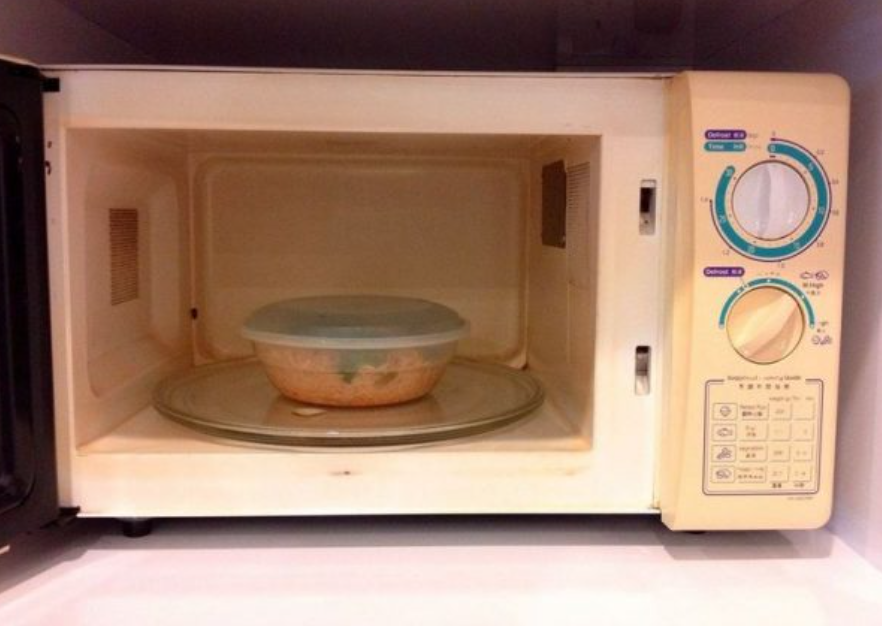
If you’ve ever come across the term BPA, chances are you’ve also heard warnings about its potential toxicity. BPA, or bisphenol A, is a chemical commonly added to plastics to make them stronger and more durable. While it serves a functional purpose in manufacturing, researchers have linked it to a range of health concerns.
One of the main issues with BPA is that it can mimic estrogen once it enters the body. This hormonal interference may disrupt normal biological processes, including altering the timing of puberty, reducing fertility, and encouraging increased fat storage. Beyond reproductive effects, studies suggest BPA exposure can also impact the immune system and interfere with normal brain and nervous system function.
Because BPA can leach out of plastic—especially when containers are heated—experts continue to warn that repeated exposure may carry long-term health risks, making it a growing concern in everyday food storage and preparation.
Phthalates pose health concerns similar to those of BPA and are also commonly found in many plastic products. These chemicals are added to plastics to increase flexibility and durability, but their impact on the human body can be significant. Research has linked phthalate exposure to higher rates of childhood obesity, disruptions in male reproductive development, and an increased risk of cardiovascular disease.
For a long time, it was believed that harmful chemicals like BPA were only released into food when plastic containers were heated in the microwave. However, newer studies suggest the risks go far beyond that assumption. These substances can migrate into food under a variety of conditions, including long-term storage, contact with fatty or acidic foods, and repeated use of plastic containers.
As research continues to evolve, experts are increasingly concerned that everyday exposure to these chemicals may be more widespread—and more harmful—than previously thought. This growing body of evidence reinforces the importance of rethinking how and when plastic is used in food storage and preparation..
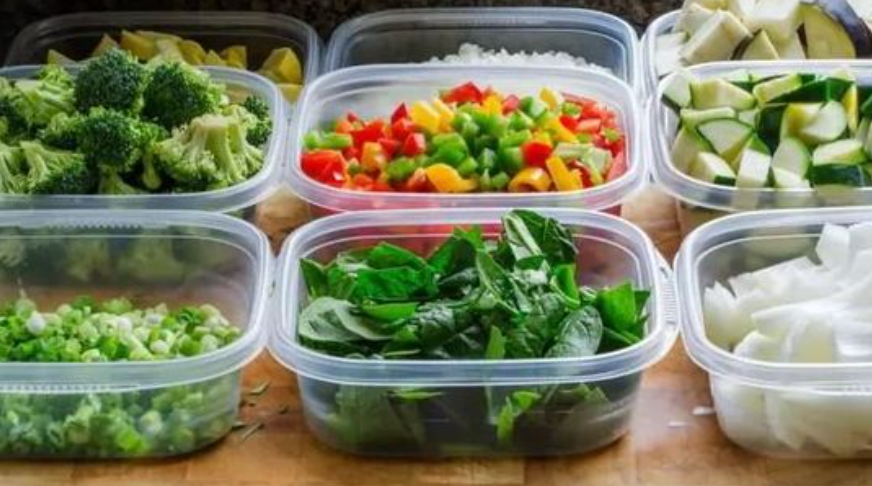
Research has also revealed that washing plastic containers in the dishwasher can cause them to break down over time, releasing harmful chemicals in the process. The high heat, strong detergents, and repeated wash cycles can weaken the plastic, increasing the chances that these substances will leach into food later on. This means that even after being cleaned, plastic containers may no longer be as safe as many people assume.
So what’s the alternative?
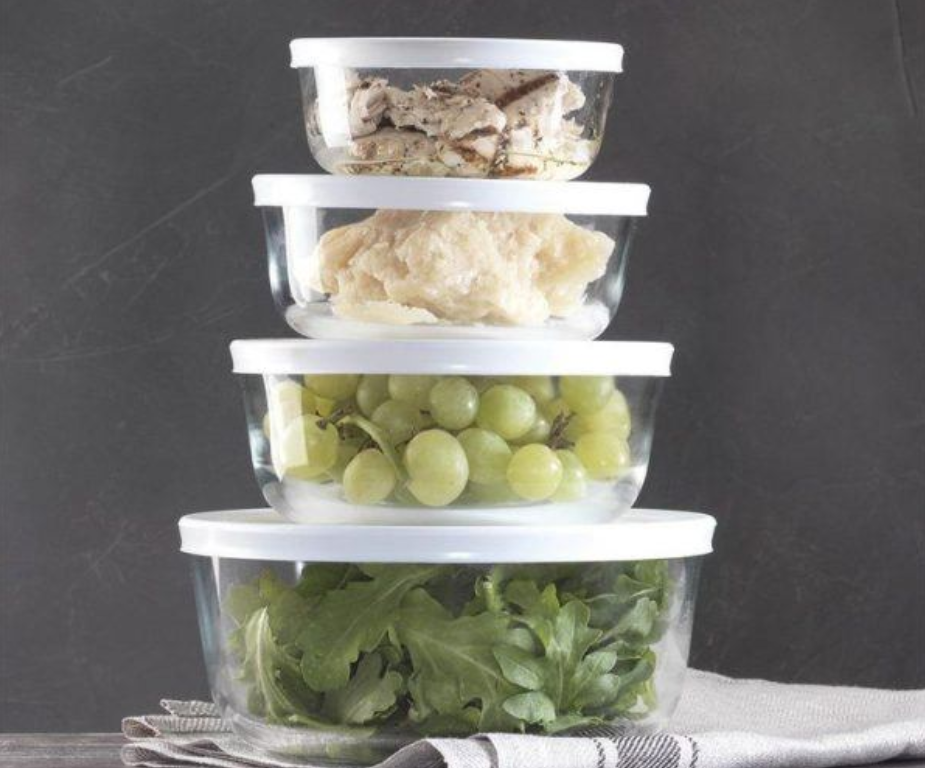
Health experts increasingly suggest switching to glass containers as a safer long-term solution. Glass does not contain BPA, phthalates, or other plastic-related chemicals, and it remains stable when exposed to heat, whether in the microwave, oven, or dishwasher. While glass containers can be more expensive upfront, many believe that investing in safer materials is an investment in long-term health.
There’s also hope that as more consumers choose glass over plastic, demand will rise and prices will eventually fall—making safer food storage options more accessible to everyone..
Consider sharing this information with your family and friends so they’re aware of the potential risks and can make safer choices for their households as well. A simple conversation or shared article could help protect the health of the people they care about most.