A Month Later, Everything Changed
I hadn’t thought much more about that night until my boss called me into his office. Normally, a call to the office feels routine. But that day, he looked pale, tense, and almost unrecognizable.
“COME HERE! NOW,” he barked.
My heart skipped a beat. “Is everything alright?” I asked cautiously.
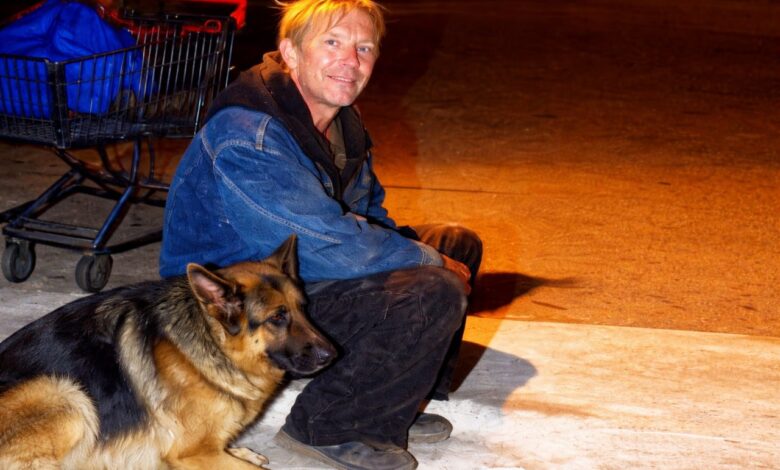
“IT’S ABOUT WHAT YOU DID A MONTH AGO… FOR THAT VETERAN WITH THE DOG,” he said, closing the door behind me.
I froze. Panic ran cold through me. I had done nothing illegal—or so I thought.
He went on to explain that the insurance office had a strict policy against employees giving away company resources or engaging in charitable acts while on the clock without approval. Even though I hadn’t used company money, my boss interpreted the act as a breach of protocol because it had happened in the parking lot of the store while I technically could have been considered “on the clock.”
I was stunned. My simple act of kindness—the thing that had felt so natural, so human—was suddenly being weaponized against me.
The Fallout
I tried to explain, to reason, but my words barely registered. My boss wasn’t interested in intent; he was focused on “rules.” That day, I was given a formal reprimand. Some of my coworkers whispered their sympathy, while others avoided me entirely. I felt exposed, almost ashamed, despite knowing in my heart that what I had done was the right thing.
Yet even in that difficult moment, I refused to regret helping someone in need. That night, I sat with my children, told them the story of the veteran and his dog, and explained why we always try to help others, even when it’s inconvenient or scary. Their wide eyes reminded me why it matters to act with compassion—even when the world seems harsh.
What Happened Next
A week later, I received a surprising note from someone connected to the veteran. It read:
“Thank you again for that night. Your kindness didn’t just feed us—it reminded me that people still care. My dog and I are doing better. I hope this reaches you.”
That small gesture of gratitude carried more weight than any paycheck or office recognition ever could. It reminded me that doing the right thing sometimes comes with consequences—but the good you put into the world ripples far beyond what you can see.
Lessons Learned
Since then, I’ve become more intentional with my actions. I carry extra granola bars, bottles of water, and dog treats in my car. I don’t wait for permission to show kindness. And I’ve realized something important: rules and bureaucracy matter, but humanity matters more.
We live in a world where a small act of generosity can be questioned, scrutinized, and punished—but it can also save someone’s day, restore hope, or even change a life. That’s a risk I’m willing to take.
The Takeaway
Sometimes, the world punishes compassion. But sometimes, it rewards it in ways you can’t measure. One meal, one bag of dog food, one moment of empathy—it doesn’t erase the rules, but it changes hearts. And at the end of the day, that’s worth more than a reprimand, a rule, or even a paycheck.