The Secret Garden Weapon Hiding in Your Kitchen Trash and Why Professional Gardeners Never Throw Eggshells Away

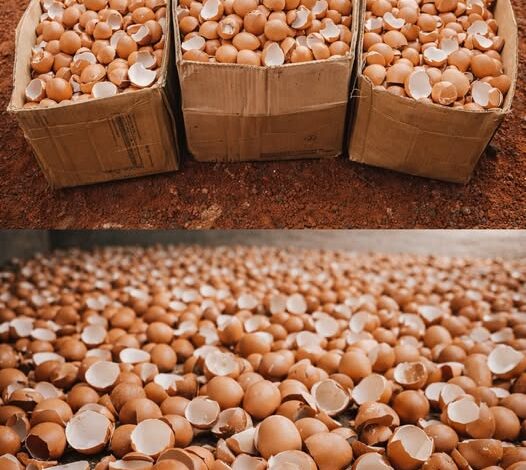
In today’s kitchen, eggs are a daily essential—used for breakfast, baking, and quick meals. Yet the shells are almost always treated as useless scraps, tossed away without a second thought. What many people don’t realize is that these fragile leftovers are far from waste. As more households move toward sustainable living, eggshells are being rediscovered as a simple, powerful resource that can support gardening, protect plants, and even benefit local wildlife.
One of the most practical uses for eggshells is as a natural pest barrier. Gardeners who struggle with slugs, snails, and other soft-bodied pests often turn to chemical solutions, but those can damage soil and harm beneficial insects. Crushed eggshells offer a safer alternative. When broken into rough, jagged pieces and spread around plants, they create an uncomfortable surface that pests avoid. It’s a low-cost, chemical-free way to protect flowers and vegetables.
Eggshells can also help deter larger animals. Deer, for example, are known for raiding gardens, especially in suburban or rural areas. Their strong sense of smell makes them sensitive to certain odors, and the scent left on eggshells can discourage them from approaching. Sprinkling shells around plants or garden borders can act as a subtle but effective deterrent.
At the same time, eggshells attract the kind of wildlife many gardeners welcome—birds. Female birds need extra calcium to produce strong eggs, and crushed, cleaned eggshells provide an excellent source. Placing them in your yard or on a feeder can help support bird health while encouraging more natural pest control, since birds also feed on insects.
The real long-term benefit of eggshells, however, lies in the soil. Made mostly of calcium carbonate, they slowly break down and enrich the ground with essential nutrients. This helps plants develop stronger cell walls, healthier roots, and better resistance to stress. Unlike quick-release fertilizers, eggshells improve soil gradually, contributing to sustained plant health over time.
This is especially helpful for crops like tomatoes, peppers, and eggplants. These plants are prone to blossom-end rot, a condition caused by calcium deficiency. Mixing crushed shells into the soil before planting can provide a steady calcium source and help prevent this issue, leading to healthier and more productive harvests.
Eggshells also help balance soil pH. In overly acidic soil, many plants struggle to grow. Because eggshells are naturally alkaline, they can help neutralize acidity when mixed into the ground. This offers a simple, natural alternative to commercial soil treatments.
Another effective use is composting. Adding crushed eggshells to a compost pile improves aeration and enriches the final compost with calcium. This “recycled” nutrient boost enhances soil quality and reduces household waste at the same time.
The next time you crack an egg, it’s worth pausing before throwing the shell away. What seems like kitchen waste is actually a versatile tool for gardening and sustainability. By reusing eggshells, you not only reduce waste but also support healthier plants, richer soil, and a more balanced backyard ecosystem.