The landscape of American television is filled with shows that attempted to define the ideal family, but few have left a mark as enduring as The Brady Bunch. Airing from 1969 to 1974, the series presented a colorful, optimistic vision of a blended family at a time when American society was experiencing dramatic cultural change. At first glance, the show seemed like a simple escape—an upbeat sitcom where conflicts were neatly resolved within thirty minutes. Yet the true legacy of The Brady Bunch, much like the lives of the actors who brought it to life, is far more layered. Beneath the cheerful surface existed real friendships, youthful mischief, and personal challenges that shaped the cast both during and after the show.
Interestingly, The Brady Bunch was not an immediate ratings phenomenon. During its original five-season run, the show never reached the top tier of Nielsen ratings. It maintained steady viewership but lacked the dominance of some of its contemporaries. Its real rise to cultural icon status happened later, through syndication. Beginning in the mid-1970s, the show aired repeatedly in afternoon reruns, becoming a familiar presence for generations of young viewers. For many children growing up during that era, the Brady household felt almost like a second home.
Through these reruns, the show expanded into a much larger franchise. Spin-offs, variety specials, animated adaptations, and later film versions all helped cement the Brady family as a permanent fixture in American pop culture. The appeal was simple but powerful: a household where problems were manageable, parents offered patient wisdom, and harmony was always restored before the closing credits.
Behind the scenes, however, the experience was more complex than the tidy scripts suggested. The young actors who played the Brady children spent much of their childhood working together on Paramount’s soundstages, and over time the set became a kind of extended family environment. Their close relationships often showed up in playful antics between takes.
Barry Williams, who played the eldest son Greg, was especially known for his mischievous sense of humor. One frequently shared story involves him placing frogs in Florence Henderson’s bed as a prank—an act that startled the actress who played Carol Brady but ultimately became one of many stories reflecting the cast’s genuine bond.
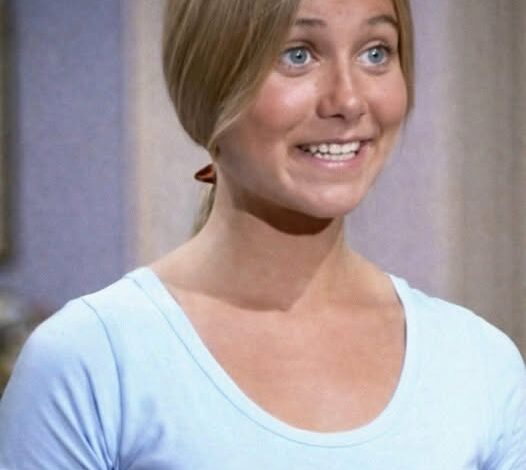
Growing up in the public eye also brought pressures. Maureen McCormick, who portrayed Marcia Brady, carried the weight of representing television’s version of the “perfect” American teenager. Away from the cameras, the experience of sudden fame and intense expectations created challenges that were far more complicated than anything the show depicted.
As the cast members moved into their teenage years, their personal lives naturally evolved. Friendships deepened, and in some cases romantic feelings developed among the young actors working together daily. While producers worked to maintain the show’s wholesome tone, the cast was experiencing the same emotional growth and awkward transitions common to many teenagers.
When the series ended in 1974, the cast faced the challenge many child stars encounter—finding their identities beyond the roles that made them famous. Media outlets often spoke about a supposed “Brady curse,” but in reality the cast members’ struggles reflected broader issues of mental health, personal growth, and the pressures of fame.
Maureen McCormick later spoke openly about her battles with addiction and bipolar disorder, sharing how those experiences affected her life and career. Her eventual recovery and willingness to discuss mental health publicly transformed her story into one of resilience and advocacy.
The show’s legacy was also shaped by the creativity that emerged on set. Some of its most memorable moments came from spontaneous performances rather than scripted lines. Christopher Knight’s now-famous delivery of “Pork chops and applesauce,” for example, became a memorable catchphrase largely because of the playful way it was performed.
Today, more than half a century after its debut, The Brady Bunch remains a fascinating cultural time capsule. The show captured the style and design of the early 1970s—from its distinctive split-level home and floating staircase to the era’s bright clothing and décor. More importantly, it helped normalize the concept of a blended family on television, paving the way for more diverse portrayals of family life in the decades that followed.
Perhaps the most remarkable part of the Brady story is the lasting connection among its cast members. Many remained close friends long after the show ended, supporting one another through life’s challenges. Florence Henderson and Robert Reed, who played the Brady parents, often acted as mentors to the younger actors, offering guidance beyond their roles on screen.
Ultimately, the enduring popularity of The Brady Bunch is about more than nostalgia. It reflects the warmth and sincerity the cast brought to their characters and the human stories that existed behind the camera. Beneath the cheerful theme song and colorful set design was a group of young performers navigating fame, friendship, and adulthood together.
The Bradys may have lived in a house with “six kids and one bathroom,” but their story reminds us that family—real or fictional—is rarely perfect. What matters most is the effort to build connection, understanding, and support along the way.