These Are Clear Signs That He Is Circulating Blood Poorly and May Be Facing a Serious Underlying Condition That Should Never Be Ignored Because Early Warning Symptoms in the Legs and Skin Can Reveal Deeper Circulatory Problems That Require Immediate Attention and Long Term Care to Prevent Dangerous Complications

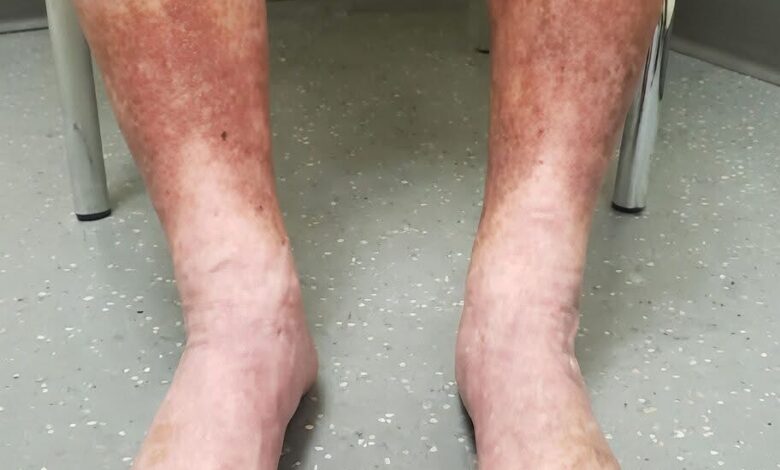
The human body is remarkably good at sending signals when something is wrong. Sometimes these signals are subtle—a touch of fatigue, occasional numbness, or mild discomfort. Other times, they are harder to ignore. Changes in the skin, particularly on the lower legs and feet, can be an early warning sign of deeper health issues, often related to circulation.
When blood flow is impaired, the consequences can gradually become serious. Poor circulation is not a disease itself, but a symptom of underlying problems that may affect the heart, blood vessels, or overall vascular system. The legs and feet are often the first to show symptoms because they are farthest from the heart and most affected by gravity.
In cases where the lower legs appear discolored, inflamed, or irritated, it could indicate poor peripheral circulation—a signal that should never be ignored.
What Poor Circulation Really Means
Circulation refers to the movement of blood through the body, carrying oxygen and nutrients to tissues while removing waste. This system relies on a network of arteries, veins, and capillaries, all working with the heart.
When circulation is impaired, blood does not move efficiently. This can cause fluid buildup, reduced oxygen delivery, and damage to skin and tissue. Over time, poor circulation can affect the entire body.
Two main systems are involved:
- Arterial circulation: carries oxygen-rich blood from the heart to the body
- Venous circulation: returns oxygen-poor blood back to the heart
Problems in either system can create noticeable symptoms, particularly in the lower legs.
Why Legs Are Affected First
The legs are especially vulnerable for two reasons: distance from the heart and gravity.
Veins in the legs must work against gravity to return blood upward. When vein valves weaken or fail, blood pools, causing venous insufficiency—a common cause of swelling, redness, and skin changes. Over time, this pooling increases pressure in the veins, causing inflammation and tissue damage.
Common Signs of Poor Circulation
The body often provides visual clues when circulation is compromised:
- Red, brown, or purple skin discoloration
- Swelling in ankles, feet, or lower legs
- Dry, itchy, or irritated skin
- Shiny, tight skin
- Slow-healing wounds or sores
- Thickened or hardened skin over time
These symptoms may develop gradually and can be mistaken for minor skin problems, but they often signal deeper vascular issues.
Chronic Venous Insufficiency: A Leading Cause
Chronic venous insufficiency (CVI) occurs when leg veins cannot effectively return blood to the heart. Blood pools in the lower extremities, increasing pressure and causing fluid to leak into surrounding tissues.
Over time, CVI can lead to:
- Painful, slow-healing venous ulcers
- Skin thickening or hardening (lipodermatosclerosis)
- Increased risk of infection
Risk factors include aging, prolonged standing or sitting, obesity, and a history of blood clots.
Peripheral Artery Disease: A More Serious Concern
Peripheral artery disease (PAD) affects arteries, not veins. Plaque buildup narrows arteries, reducing blood flow to the legs.
Symptoms of PAD include:
- Pain or cramping in legs while walking
- Cold feet or lower legs
- Weak or absent pulses in the feet
- Slow-healing wounds
PAD is particularly serious, as it is linked to higher risks of heart attack and stroke.
The Role of Inflammation and Skin Changes
Discoloration in the legs is often caused by inflammation and breakdown of red blood cells in tissues. Blood pooling increases pressure, causing small vessels to leak. Iron pigments deposit in the skin, creating brown or reddish patches. Over time, the skin may become fragile, itchy, and prone to injury.
Why Ignoring These Signs Is Risky
Poor circulation often develops slowly, which can lead people to delay seeking help. Untreated circulation problems may result in:
- Chronic pain and mobility issues
- Persistent swelling and skin damage
- Non-healing wounds that may become infected
- In severe cases, tissue death (gangrene)
Early detection and treatment are critical to prevent serious complications.
Who Is Most at Risk?
Circulation problems are more common in:
- Older adults
- People who are overweight or obese
- Those with sedentary lifestyles or long periods of sitting/standing
- Smokers
- People with diabetes or high blood pressure
Genetics can also increase susceptibility.
Improving Circulation
Many circulation issues can be managed or improved with the right strategies:
Lifestyle changes:
- Regular exercise (walking, swimming)
- Maintaining a healthy weight
- Elevating legs to reduce swelling
- Avoiding long periods of sitting or standing
Compression therapy:
- Compression stockings can improve blood flow in cases of venous insufficiency
Medical treatment:
- Medications to improve circulation or reduce clotting
- Procedures to repair or remove damaged veins
- Interventions to open blocked arteries
A healthcare professional can recommend the most effective approach.
Paying Attention Matters
The body rarely sends signals without reason. Changes in the lower legs—discoloration, swelling, or irritation—should always be taken seriously. While not every symptom indicates a severe condition, ignoring them can allow problems to worsen.
Recognizing these warning signs and seeking care early can make the difference between a manageable condition and a serious health problem.
Final Thoughts
Circulation is the foundation of health. When blood flow is compromised, effects ripple throughout the body. Legs are often the first to reveal issues, making them an early indicator of overall vascular health.
Recognizing and addressing signs of poor circulation is not just about comfort—it’s about protecting long-term health. Whether caused by venous insufficiency, PAD, or another factor, early action is crucial.
Sometimes, what appears on the surface is the body’s way of signaling something far deeper—and far more important.