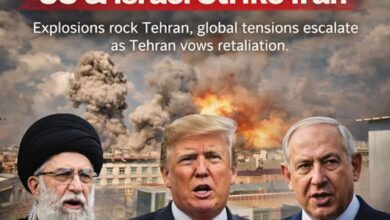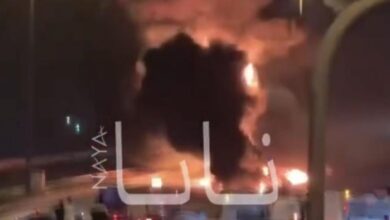
The geopolitical climate in early 2026 has grown increasingly tense as relations between the United States, Israel, and Iran have moved from prolonged diplomatic friction into open military confrontation. What had long been a conflict defined by sanctions, cyber operations, and indirect proxy clashes has now escalated into direct strikes on strategic infrastructure, raising fears that the crisis could expand beyond regional boundaries.
The turning point came with a coordinated U.S.–Israeli operation targeting elements of Iran’s military command network in Tehran. Officials described the strikes as an attempt to weaken operational capabilities and disrupt command structures. However, the attack also marked a significant escalation in a rivalry that has shaped Middle Eastern geopolitics for decades. By striking targets associated with Iran’s leadership apparatus, the operation crossed a threshold many analysts had long warned about.
Iran’s response has been swift and forceful. Iranian military officials announced retaliatory actions involving missile launches and drone operations aimed at military installations and strategic locations connected to U.S. and Israeli forces in the region. The exchange has dramatically raised the stakes, pushing regional defense systems and allied militaries into a heightened state of readiness.
Across official statements from both sides, rhetoric has hardened. Words such as “deterrence,” “retaliation,” and “national survival” now dominate the diplomatic vocabulary. Analysts say the tone reflects the seriousness of the confrontation and the shrinking space for compromise as each side attempts to project strength while avoiding appearing vulnerable.
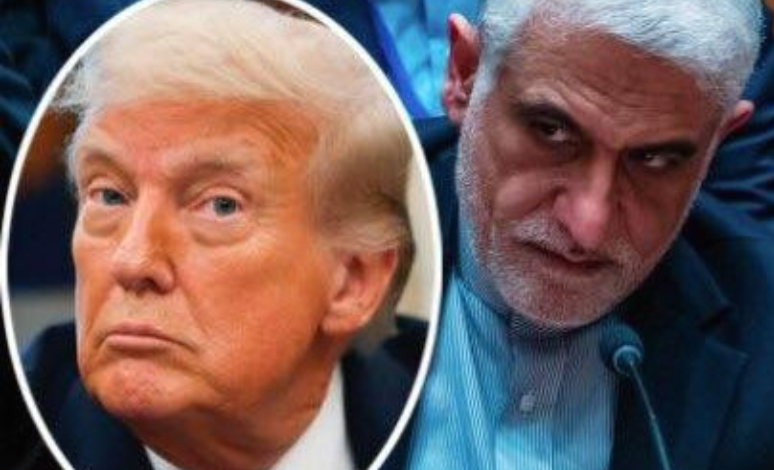
At the United Nations, diplomats have struggled to contain the crisis. Emergency meetings of the Security Council have turned into tense exchanges between representatives defending their governments’ actions. Iran’s delegation has argued that its retaliation falls within its right to self-defense under international law, while U.S. officials maintain that Iran’s long-standing support for armed groups across the region justifies a strong response.
Between these opposing positions stands the broader international community, with many governments urging restraint and warning that further escalation could destabilize not only the Middle East but the global economy as well. Energy markets, shipping routes, and regional alliances all stand to be affected if hostilities intensify.
The psychological impact of the confrontation has also spread far beyond the battlefield. In the United States, the situation has sparked widespread debate about the potential consequences of a prolonged conflict. Online discussions reflect a mix of anxiety, anger, and calls for accountability from political leaders. For many citizens, the possibility of another major military engagement feels deeply personal, touching concerns about national security, military service, and economic stability.
Inside Iran, uncertainty has also grown. Reports about the health and leadership status of senior figures have fueled speculation about possible shifts in the country’s internal power structure. Analysts note that periods of leadership transition can create unpredictable decision-making dynamics, particularly during external crises.
Globally, governments are preparing for both immediate and long-term consequences. Military analysts are evaluating strategic risks, while economists are monitoring energy supplies and trade routes that pass through the Persian Gulf. The potential for disruption to global markets has added another layer of concern for policymakers.
Meanwhile, the United States continues to balance military operations with diplomatic messaging. Officials emphasize that their actions are intended to deter further aggression and protect allied interests in the region. At the same time, diplomatic channels remain active as international mediators attempt to prevent the confrontation from spiraling into a broader war.
Ultimately, the current crisis illustrates how quickly long-standing geopolitical tensions can transform into direct confrontation. Whether this moment becomes a brief but dangerous escalation or the start of a larger conflict will depend on decisions made in the coming days by leaders in Washington, Tehran, and allied capitals.
For now, the world is watching closely. Diplomats continue to search for off-ramps to de-escalation, even as military forces remain on high alert. The hope among many observers is that dialogue and restraint will prevail before the situation moves beyond the point where diplomacy can restore stability.