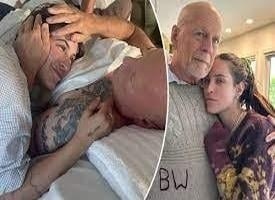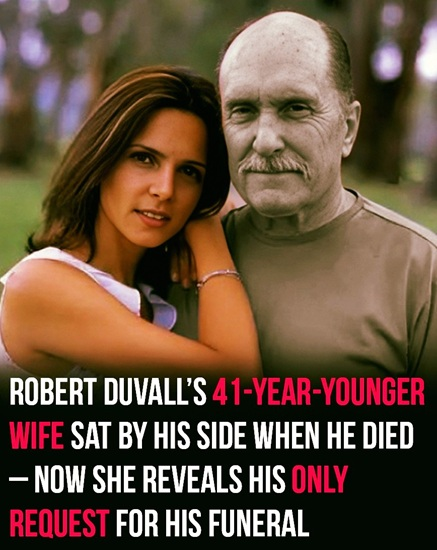
Hollywood is mourning the loss of one of its greatest actors, Robert Duvall, whose extraordinary range and unforgettable performances helped shape modern American cinema. Duvall, whose career spanned more than seven decades, passed away on February 15, 2026, at the age of 95.
His wife confirmed that he died peacefully at their home in Virginia, surrounded by family and loved ones. The news of his passing has been met with an outpouring of tributes from across the entertainment world. Duvall’s death marks the end of a remarkable era in film history, as his performances in iconic films like The Godfather, Apocalypse Now, To Kill a Mockingbird, Tender Mercies, Lonesome Dove, and more have left a lasting impact on audiences around the world.
From Humble Beginnings to Legendary Stardom
Robert Selden Duvall was born on January 5, 1931, in San Diego, California, to a family with strong military ties. His father’s career in the military gave Duvall a sense of discipline and structure from a young age. However, his early life would be the first step in what would become a journey marked by artistic passion and relentless dedication to his craft.
Duvall’s rise to Hollywood fame wasn’t immediate, but his perseverance paid off. From his formative years studying at the prestigious Neighborhood Playhouse in New York to working in theater, his talent eventually led him to some of the most celebrated films of his time. His legacy in Hollywood is defined by performances that ranged from the stoic and methodical Tom Hagen in The Godfather to the ferocious, unforgettable Colonel Kilgore in Apocalypse Now.
Robert Duvall’s upbringing in a family with a rich military background played a significant role in shaping his character and approach to life. His father, a U.S. Navy rear admiral, moved the family across the country, with Duvall spending parts of his youth in areas like Washington, D.C., and Maryland. These frequent relocations not only taught him adaptability but also piqued his curiosity about human nature — an interest that would later inform his portrayal of complex, multifaceted characters on screen.
Duvall attended Severn School, then went on to Principia College in Illinois, where he majored in drama. It was there that his passion for acting began to flourish. Upon graduating, he served in the U.S. Army from 1953 to 1955 during the Korean War era. After his service, Duvall moved to New York to train under the renowned acting coach Sanford Meisner. It was through this intensive training that he honed his craft, focusing on emotional authenticity — a trait that would become a defining feature of his performances.
Breakthrough and Hollywood Rise
Duvall’s big break came in 1962 when he made his film debut as Boo Radley in To Kill a Mockingbird. While his role was small, it was deeply impactful, showcasing his ability to convey sensitivity and complexity with minimal screen time. It was a clear foreshadowing of the depth he would bring to many of his subsequent roles, and it marked the beginning of his storied career in Hollywood.
The 1960s and 1970s marked a transformative period for American cinema, with the rise of the New Hollywood era. This was a time when filmmakers and actors began to push boundaries, experimenting with unconventional storytelling, complex characters, and deeper emotional depth. Robert Duvall emerged as one of the standout actors of this revolutionary era, capable of bringing both fierce intensity and quiet vulnerability to the screen.
Iconic Roles That Defined an Era
Some of Duvall’s most significant roles from this time cemented his place in the annals of cinematic history:
- Tom Hagen in The Godfather (1972): As the composed and loyal consigliere to the Corleone family, Duvall’s portrayal of Tom Hagen was understated yet profound. His performance earned him his first Academy Award nomination and made the character an enduring symbol of loyalty and restraint.
- Lt. Colonel Bill Kilgore in Apocalypse Now (1979): Duvall’s portrayal of the charismatic yet morally conflicted military officer is one of his most electrifying performances. His famous line, “I love the smell of napalm in the morning,” became one of the most quoted moments in film history, and his role remains a centerpiece in discussions of cinema’s greatest performances.
- Mac Sledge in Tender Mercies (1983): Duvall won the Academy Award for Best Actor for this hauntingly tender performance as a washed-up country singer seeking redemption. It was a role that showcased his exceptional emotional range, portraying vulnerability with grace and power.
Throughout his career, Duvall embraced a remarkable range of roles, from gritty realism in The Godfather to intimate character studies in Tender Mercies. His versatility spanned across dramatic epics, Westerns, and even television, earning him numerous accolades, including multiple Emmy Awards.
More Than an Actor: A Storyteller and Artist
Robert Duvall’s contributions to cinema were not limited to his acting alone. Driven by a desire to tell compelling stories, he expanded his creative reach into directing and producing.
One of his most personal and ambitious projects was The Apostle (1997), a film that he wrote, directed, and starred in. The movie explored deep themes of faith, redemption, and human frailty. It was a raw and honest portrayal of a preacher’s struggles with his own flaws, and it earned Duvall critical acclaim not only for his acting but for his vision as a filmmaker. The film demonstrated his profound understanding of storytelling and his ability to bring complex, emotionally charged characters to life.
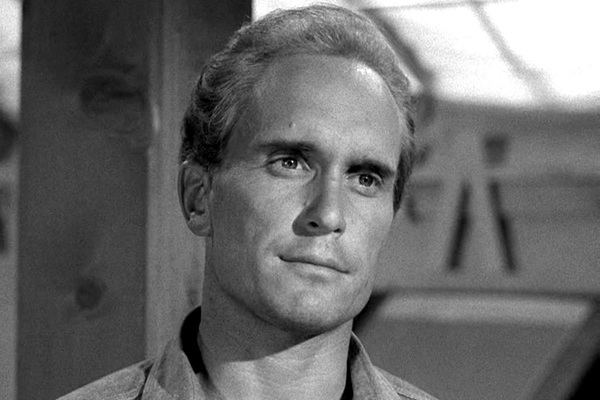
Robert Duvall’s career extended well into his later years, with performances in films like Widows (2018), Jack Reacher (2012), and Hustle (2022), continuing to showcase his unmatched screen presence. Even in his senior years, he brought wisdom, depth, and a palpable intensity to every role, proving that his talent had only deepened with time.
Personal Life and the Man Beyond the Screen
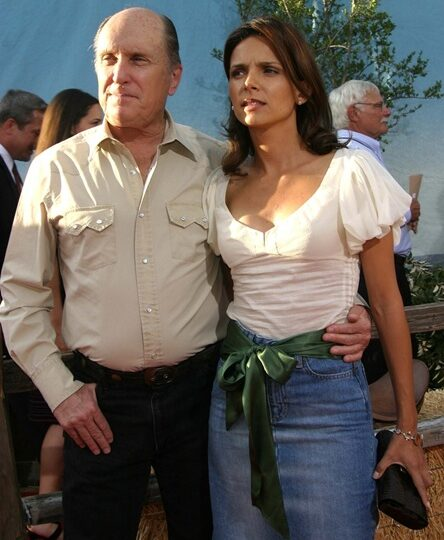
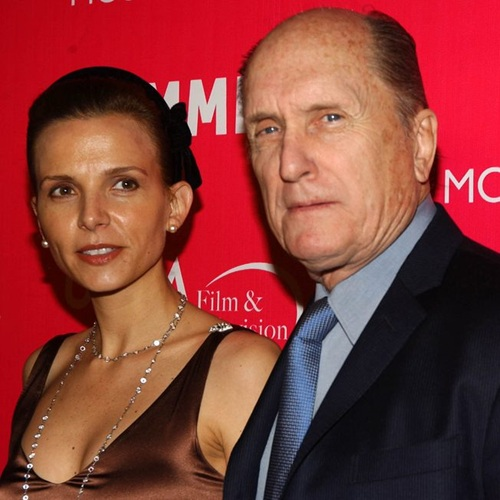
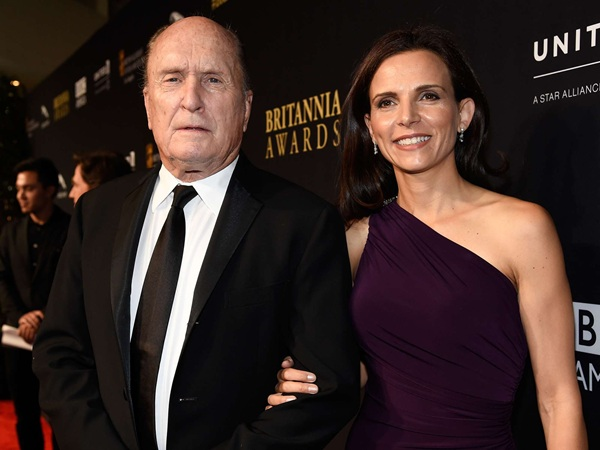
While Robert Duvall’s career was publicly celebrated, his personal life was equally rich and multifaceted. Known for being a private man, Duvall was married four times, with his last marriage to Argentine actress and director Luciana Pedraza in 2005. Luciana, a fellow lover of film and culture, was both his partner and collaborator, providing him with unwavering support throughout his later years.
Despite the public nature of his relationships, Duvall never had children, something he occasionally humorously referenced in interviews. In 2007, he joked about his lack of offspring, even attributing it to being “shooting blanks” despite his efforts with different partners. While some might consider this a source of regret, those who knew Duvall described him as someone who embraced his experiences without focusing on what was missing. He valued the relationships he had, whether professional or personal, and made meaningful connections with the people he encountered.
Duvall’s legacy, both on and off the screen, remains one of profound authenticity. He was an actor who not only played complex characters but also lived a life that reflected the nuances and contradictions of human experience. His work will continue to resonate for generations to come, as his legacy is rooted in performances that celebrated both the fragility and the strength of the human spirit.
Passions Outside Acting
Robert Duvall’s commitment to authenticity extended beyond his acting career into his personal life. Those who knew him well described him as a man who valued genuine experiences and sought a deep connection to the world around him.
One of his greatest passions was music. Duvall had a particular love for playing guitar and was captivated by the rhythms of Argentine tango, a genre that also mirrored his appreciation for storytelling through movement and emotion. He often spoke fondly of Buenos Aires, calling it one of his favorite cities in the world. His connection to Argentine culture, in particular, was a thread that ran through his personal and professional life.
Even as he grew older, Duvall remained active, embracing an energetic lifestyle well into his 90s. Swimming, tennis, and horseback riding were among the activities he regularly enjoyed, keeping both his body and mind sharp. Friends and colleagues frequently noted his dry wit and grounded presence, often pointing out his unique ability to blend humor with the gravitas that defined his performances.
Final Years and Legacy
In his later years, Duvall spoke not of retirement but of seeking out work that continued to challenge him. Rather than resting on his laurels, he was determined to find stories that spoke to his love of the human experience, preferring roles that pushed his boundaries as an actor and as a person.
Though he had scaled back his film work in his final years, Duvall’s daily life with his wife, Luciana, and their close-knit circle of friends brought him joy. The simple pleasures of routine, meaningful conversation, and shared storytelling were as important to him as the roles he played. He relished spending time in close quarters with those he loved, building relationships that were rooted in genuine connection and respect.
Duvall’s legacy is not only defined by the unforgettable roles he played but by the man he was off-screen: a dedicated artist, a humorous, grounded presence, and a true collaborator. His performances — whether on film or in personal interactions — captured the quiet nuances of human emotion. The greatness of his work was found in the moments that seemed subtle, yet carried immense emotional weight.
As a collaborator, he was generous with his talent, always bringing depth and authenticity to each project. In the same way that he elevated each character he portrayed, Duvall elevated the work of those around him, making his films resonate long after the credits rolled. His legacy is a testament to the transformative power of storytelling, and the humanity he infused into every role will continue to inspire future generations of actors and audiences alike.
Tributes from Across Hollywood
The news of Robert Duvall’s passing on February 15, 2026, reverberated throughout Hollywood, with an outpouring of heartfelt tributes from actors, directors, and industry insiders alike. His impact on the world of cinema was immeasurable, and those who worked with him or admired him spoke of his extraordinary talent, warmth, and humanity.
Adam Sandler, who shared the screen with Duvall in Hustle, described him as “one of the greatest actors we ever had,” emphasizing that he was not only an immense talent but also a joy to work with. Sandler also praised Duvall for being a constant source of inspiration, both professionally and personally.
Viola Davis, another luminary in Hollywood, paid tribute by calling Duvall an “icon” whose performances transcended the screen. She highlighted his remarkable ability to bring a deep humanity to his roles, noting that his greatness would endure long after his passing.
The tributes from his peers painted a picture of a man whose artistry elevated every project he touched. Whether it was directors, co-stars, or newcomers to the industry, all acknowledged Duvall’s profound influence on the craft of acting and storytelling. His dedication to his work — his uncanny ability to portray characters with unmatched depth and authenticity — inspired countless actors to approach their roles with the same level of emotional honesty and commitment.
The End of an Era
Robert Duvall’s passing represents not just the loss of a singular actor but also the closing of a chapter in the history of American cinema. He was part of a generation of actors who reshaped the Hollywood landscape in the 20th century, influencing not only the stories told but also how those stories were told.
This group of iconic performers and filmmakers helped usher in a more nuanced and realistic approach to filmmaking, one that emphasized character development, emotional complexity, and the exploration of truth. Their work fundamentally changed the way audiences experience films — making it more about the inner lives of characters rather than just spectacle or surface-level drama.
Duvall stood as one of the last pillars of this transformative generation. He was a living link to the golden era of cinema that has now largely faded, but his work will continue to resonate in the films that shaped the culture of the late 20th and early 21st centuries.
Remembering Robert Duvall
Robert Duvall’s legacy is marked by a collection of performances that captured the beauty and complexity of the human experience. Whether as the calm and calculating Tom Hagen in The Godfather, the iconic Lt. Colonel Kilgore in Apocalypse Now, or the troubled Mac Sledge in Tender Mercies, Duvall’s characters were never merely figures on a screen — they were fully realized human beings, flawed, complex, and achingly real.
In his films, Duvall invited audiences to see themselves in his characters, to empathize with their struggles, and to reflect on the shared human condition. His acting wasn’t about grand gestures; it was about making the quiet moments count — those subtle gestures and silences that spoke volumes about the heart of the character.
In his 95 years, Robert Duvall not only established himself as a towering presence in Hollywood but as a storyteller who understood the deepest layers of human emotion. His films, and the characters he brought to life, remain eternal, a testament to his mastery as an actor and his understanding of the power of cinema to connect people across time, place, and experience.
Rest in peace, Robert Duvall — a true legend whose work will continue to inspire and move generations of filmmakers, actors, and audiences for years to come.