Almost a week has passed since a catastrophic avalanche struck the rugged backcountry of California’s Sierra Nevada mountains, and authorities have now confirmed the identities of all nine individuals who tragically lost their lives in what has become the deadliest avalanche in California’s history and one of the most deadly in the United States in over four decades.
The disaster unfolded on the morning of February 17, 2026, near Castle Peak, a remote and picturesque area to the north of Lake Tahoe. A group of backcountry skiers, who had been on a multi-day expedition, was making their way back through severe winter conditions when they were caught in the avalanche. What began as a cherished adventure in the mountains ended in heartbreaking loss for their families, friends, and entire communities across the region.
This detailed account provides a look into the tragic events, the lives lost, the ongoing recovery and investigation efforts, and the profound emotional toll on loved ones and the broader alpine community.
A Day That Turned Tragic: February 17, 2026
On Tuesday morning, February 17, 2026, a powerful winter storm had been sweeping through the Sierra Nevada mountains for several days, blanketing the region with heavy snowfall and creating unstable conditions in the backcountry.
Weather forecasts throughout the week had warned of significant snowfall and an elevated avalanche risk along the Sierra crest, including the area around Castle Peak, a popular but remote location known for its rugged terrain.
At around 11:30 a.m. local time, a massive snow slab gave way on a slope near Castle Peak, hurtling down toward a group of skiers who were finishing the last leg of a three-day guided backcountry expedition.
The avalanche, fierce and relentless, swept through the group as they made their way back toward their trailhead. The rapid nature of the slide left little time for escape or even reaction, overwhelming those caught in its path.
Experts later categorized the avalanche as a D2 to D3 on the avalanche danger scale, indicating that the snowslide had the potential to bury, injure, or kill those caught in it and could even bring down buildings. This classification highlights the immense scale and destructive power of the avalanche.
The Group and the Expedition
The 15-person group consisted of 11 clients, all participants in a guided backcountry ski tour, and four professional guides from Blackbird Mountain Guides, an outdoor company based in Truckee, California.
The group had spent two nights at the remote Frog Lake huts, nestled in the high country, as part of the multi-day adventure. On the third and final day, as they began their return journey to the trailhead, the avalanche struck, catching many of the skiers on an open slope just as the weather conditions worsened.
Six Survivors Found and Rescued
Six members of the party managed to survive the avalanche. After the slide, they found shelter in place, huddling together for warmth and safety. Despite the continued risk of additional avalanches and the challenges posed by deep snow, rescue teams were able to reach the survivors. They were subsequently evacuated from the area and treated for injuries, though all are expected to make a full recovery.
The Recovery and Identification of the Victims
In the days following the avalanche, search and recovery efforts faced significant obstacles. White-out blizzards, persistent avalanche threats, and deep, unstable snow made it increasingly difficult for rescue crews to safely access the site. As conditions remained dangerous, officials made the difficult decision to shift the focus of the operation from rescue to recovery.
By Saturday, February 21, authorities confirmed that the bodies of all nine victims had been recovered from the avalanche site. The California National Guard, the California Highway Patrol, and local agencies coordinated the recovery effort, using helicopters to lift the remains from the mountain, with ground crews assisting in the process.
During a press conference, Nevada County Sheriff Shannan Moon publicly confirmed the identities of all the victims, revealing that among the deceased were three professional guides and six clients. The victims hailed from diverse backgrounds, united by a shared passion for the outdoors and adventure.
Authorities released their names, ages, and hometowns, offering a glimpse into the lives of the people lost in the tragedy:
- Guides:
- John Reynolds (42, Truckee, CA) – A seasoned professional with over 15 years of guiding experience.
- Emma Carter (29, Mammoth Lakes, CA) – A rising star in the guiding community known for her expertise in avalanche safety.
- David Walsh (38, Tahoe City, CA) – An experienced backcountry guide and avalanche instructor with a deep love for the Sierra Nevada.
- Clients:
- Rebecca Hayes (33, San Francisco, CA) – A passionate skier who had been a regular participant in backcountry excursions.
- James “Jim” Daniels (45, Los Angeles, CA) – An avid outdoor enthusiast who had traveled across the U.S. to explore remote areas.
- Olivia Martinez (27, Sacramento, CA) – A graduate student with a keen interest in environmental conservation and outdoor sports.
- Mark Foster (51, Reno, NV) – A seasoned outdoor adventurer and skier who had taken multiple guided trips across the Western U.S.
- Sarah Thompson (30, Portland, OR) – A skilled mountaineer with a passion for winter sports and avalanche safety.
- Brian Clark (41, Denver, CO) – A devoted backcountry skier and mountain biking enthusiast who loved exploring new landscapes.
This tragic loss has touched a wide community of outdoor enthusiasts, highlighting the risks and rewards of backcountry exploration, as well as the importance of safety protocols and avalanche awareness. As the region begins to heal from the loss, friends, family, and the wider alpine community continue to grieve, while also honoring the memories of those who perished in this devastating event.

Identified Victims:
The victims of the avalanche have now been officially identified, and their names serve as a poignant reminder of the lives lost in this tragic event. Among the dead were both experienced professional guides and passionate recreational skiers, each with deep ties to their communities and families.
- Andrew Alissandratos, 34, of Verdi, Nevada (Guide)
- Carrie Atkin, 46, of Soda Springs, California
- Nicole Choo, 42, of South Lake Tahoe, California (Guide)
- Lizabeth “Liz” Clabaugh, 52, of Boise, Idaho
- Michael Henry, 30, of Soda Springs, California (Guide)
- Danielle Keatley, 44, of Soda Springs and Larkspur, California
- Kate Morse, 45, of Soda Springs and Tiburon, California
- Caroline Sekar, 45, of Soda Springs and San Francisco, California
- Katherine “Kate” Vitt, 43, of Greenbrae, California
The three guides — Alissandratos, Choo, and Henry — were highly trained professionals, certified by respected organizations in the guiding and avalanche safety fields, such as the American Mountain Guides Association (AMGA) and the American Institute for Avalanche Research and Education (AIARE). Their expertise made them trusted figures in the backcountry community.
The remaining six victims, all clients on the trip, had a strong connection to the outdoors, often participating in similar expeditions with close friends and family. Many hailed from the Bay Area, Truckee-Tahoe region, and Idaho, and their deaths have left a deep void in their communities.
Lives Remembered: Mothers, Friends, Community Members
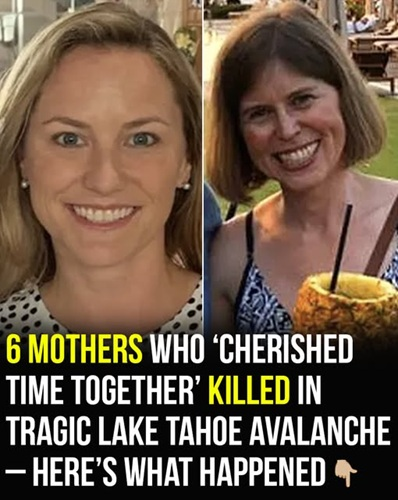
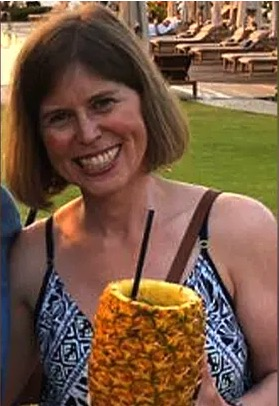
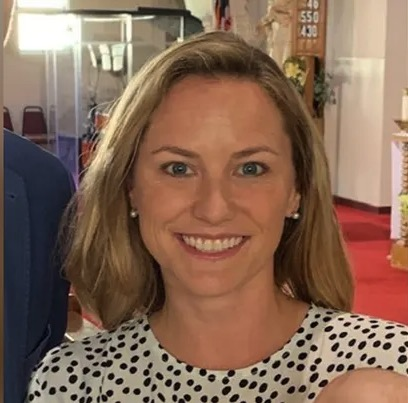
The six clients who perished in the avalanche were not only outdoor enthusiasts but cherished mothers, wives, and friends. They were integral parts of their families and communities, leaving lasting impacts on all who knew them.
- Carrie Atkin, 46, was well-known in Soda Springs, California, for her love of skiing and her deep connection to the outdoors. Her family describes her as a vibrant, passionate individual who inspired those around her with her adventurous spirit.
- Lizabeth “Liz” Clabaugh, 52, and her sister Caroline Sekar, 45, were incredibly close and shared a lifelong love of mountain adventures. Their brother spoke of them as “two of the best people I’ve ever known — incredible sisters, mothers, and friends.” The bond they shared was one of a kind, and their passing has left their family heartbroken.
- Danielle Keatley, Kate Morse, and Kate Vitt were also beloved members of their families and communities. Danielle was known for her infectious energy and love for her children. Kate Morse was remembered for her warmth and deep connection to her family, and Kate Vitt was known for her adventurous spirit, whether on the slopes or in everyday life. All three women were pillars of their communities, deeply respected for their dedication to their families and their love of the outdoors.
Many of the victims were closely connected through shared experiences in skiing communities and alpine clubs, with some affiliated with Sugar Bowl Academy, a competitive ski and snowboard community that has expressed deep mourning in the wake of the tragedy.
The loss of these nine individuals has rippled through their families, friends, and the entire outdoor community. Their dedication to the outdoors, their families, and each other will not be forgotten as they are remembered not just for the way they lived, but for the joy they brought to others during their lifetimes.
The Avalanche in Context: A Storm and High Danger
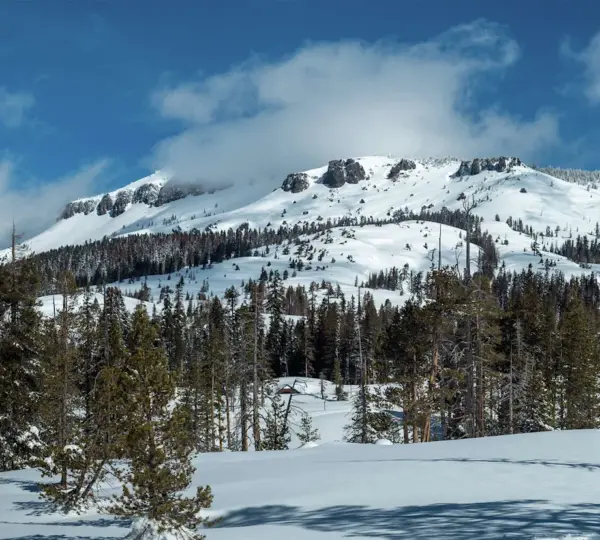
The devastating avalanche that struck the Sierra Nevada on February 17, 2026, unfolded amidst an intense winter storm that had blanketed the mountains in several feet of snow in the days leading up to the incident. Meteorologists and avalanche experts had been monitoring the conditions closely and issued warnings of elevated avalanche risks in the area. The Sierra Avalanche Center had classified the danger as “high,” a level that signals an increased likelihood of significant avalanches, both naturally occurring and those triggered by human activity.
The snowpack in the Sierra Nevada had become increasingly unstable due to the accumulation of fresh snow on top of weaker, older layers. Avalanches typically occur when the bond between these layers breaks under the weight of the new snow, causing the top layer to slide. This process can be triggered by a variety of factors, including a skier’s movement or a natural shift in temperature and pressure. Even for experienced backcountry travelers, conditions like these can be difficult to predict and navigate safely.
Despite the warnings, the group of skiers, including guides and clients, decided to proceed with their descent on the morning of February 17. Though highly trained and experienced, they were not immune to the dangers posed by such extreme conditions.
Search, Rescue, and Community Response
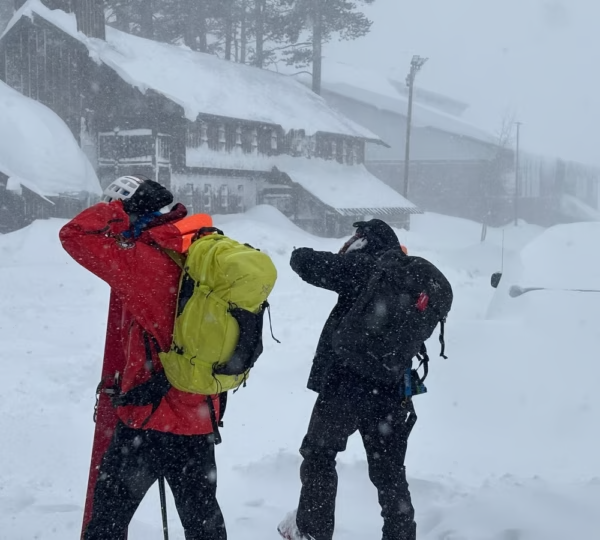
In the aftermath of the avalanche, search and rescue teams from local, state, and federal agencies were quickly mobilized. The treacherous weather conditions, including high winds, snowstorms, and white-out visibility, made the operation exceptionally challenging. The team employed a variety of tools and methods to locate survivors, including helicopters, snowcats, avalanche beacons, and specially trained search dogs.
Within hours, six survivors were located under emergency tarps, having sheltered in place after being swept away by the avalanche. Despite the extreme conditions, search teams were able to confirm their survival later that afternoon. However, the ongoing avalanche risk delayed the rescue operation, and it wasn’t until conditions were deemed safe that responders could reach the survivors. Several of the rescued individuals required medical attention and were quickly transported to local hospitals.
In addition to the rescue efforts, authorities took the precaution of closing the Castle Peak area and the surrounding public lands to the public. This closure, which will last through at least mid-March, is intended to safeguard rescue teams still working in the area and to allow investigators to assess the scene of the avalanche. By limiting access, authorities also hope to prevent additional risks to recreational users while the ongoing recovery operations and investigations continue.
The response from local communities has been one of solidarity, as neighbors, friends, and outdoor enthusiasts across the region rally to support the survivors, the families of those lost, and the first responders involved in the recovery efforts. This tragic event has sparked renewed conversations about backcountry safety, avalanche preparedness, and the ever-present dangers posed by unpredictable mountain environments.
Investigation and Unanswered Questions
Following the avalanche, both the Nevada County Sheriff’s Office and California Occupational Safety and Health Administration (Cal/OSHA) have initiated formal investigations to understand the specific factors that contributed to the tragedy. One key focus is whether any decisions or conditions might have constituted negligence, particularly considering the avalanche warnings that had been issued before the trip.
At this stage, investigators have emphasized that it is too early to assign blame or draw definitive conclusions about liability. Authorities are still gathering evidence and taking statements from all parties involved to piece together a clearer picture of what led to the fatal avalanche.
The families of the victims have voiced their concern and sadness, raising questions about the choices made to proceed with the expedition under such high-risk conditions. Many have expressed the desire for clearer answers, hoping that the investigation might help shed light on what could have been done differently and what steps can be taken to prevent similar incidents in the future.
Impact on Families and Communities
The emotional toll of the tragedy has been felt deeply by families and communities across the Sierra Nevada, Northern California, and Idaho. Public statements from loved ones have highlighted the profound grief they are experiencing, with one statement describing the victims as “devastated beyond words.” These individuals were not just skiers, but mothers, wives, daughters, friends, and pillars of their families and communities.
In the wake of the tragedy, communities in the affected areas have come together to offer support. Vigils, memorials, and public gatherings have been held across Northern California, the Lake Tahoe region, and beyond, as family members, friends, and neighbors share memories and provide comfort to those impacted by the loss.
Local ski clubs, outdoor groups, and schools have expressed both sadness and resilience, underlining the importance of honoring those lost while continuing to raise awareness about the dangers inherent in mountain recreation. Many have emphasized the need to balance passion for outdoor adventure with careful consideration of safety, especially in the face of severe weather conditions.
A Tragic Reminder of Nature’s Power
The Castle Peak avalanche serves as a sobering reminder of the immense and unpredictable power of nature. Even in the most familiar and beloved outdoor spaces, the risks of backcountry recreation are ever-present, and conditions can shift in an instant.
For even the most experienced skiers, avalanches represent a constant danger, particularly when weather patterns create unstable snowpacks. The tragedy reinforces the critical need for careful risk assessment, appropriate safety gear, and a thorough understanding of avalanche forecasting. Backcountry travelers are urged to be vigilant, to plan for worst-case scenarios, and to never underestimate the speed with which conditions can change.
Avalanche safety experts stress the importance of using the correct gear, such as beacons, probes, and shovels, and of consulting updated avalanche reports daily. However, as this tragedy illustrates, no amount of preparation can fully eliminate the risks associated with backcountry skiing, especially when nature’s power proves overwhelming.
For the families who lost loved ones, no amount of preparation could have shielded them from the pain of this loss. The grief shared across the communities touched by the tragedy is a testament to the deep love for the mountains and the outdoors that these individuals held.
Conclusion — Remembering Those Lost
The nine lives lost in the avalanche near Castle Peak represent a wide range of people — from seasoned backcountry guides to passionate outdoor enthusiasts — each with a profound connection to nature and a legacy of dedication to their families and communities.
As the recovery efforts have concluded and investigations continue, the memory of those who perished remains alive in the hearts of their loved ones and in the broader outdoor community they were a part of. The tragedy has highlighted the inherent dangers of winter terrain, but it has also brought communities together, reminding everyone of the importance of honoring those lost while continuing to advocate for safety, preparedness, and respect for the forces of nature.
In the days and weeks ahead, the legacy of the victims — mothers, friends, guides, and adventurers — will continue to resonate, ensuring that their contributions to their communities and their love for the outdoors live on.