Colonoscopy Anxiety Explained, Why This Preventive Test Matters More Than You Think, and the One Essential Question to Ask Your Doctor Before the Procedure That Can Reduce Fear, Improve Comfort, and Help You Take Confident Control of Your Long Term Digestive Health

Colonoscopy: Understanding the Test That Can Prevent Cancer
The word colonoscopy often causes immediate anxiety. Many people imagine pain, embarrassment, or frightening results. These reactions are completely normal. In reality, however, colonoscopy is one of the most effective and controlled preventive procedures in modern medicine.
For many people, it is not the beginning of bad news—it is the reason serious illness is avoided.
Why Colonoscopy Causes Anxiety
Most fear surrounding colonoscopy comes from three common concerns:
- Fear of pain
- Fear of embarrassment
- Fear of discovering something serious
Stories shared online or between friends can make these worries feel even larger. Yet many patients later say the same thing: the anticipation is usually worse than the procedure itself.
What a Colonoscopy Actually Is
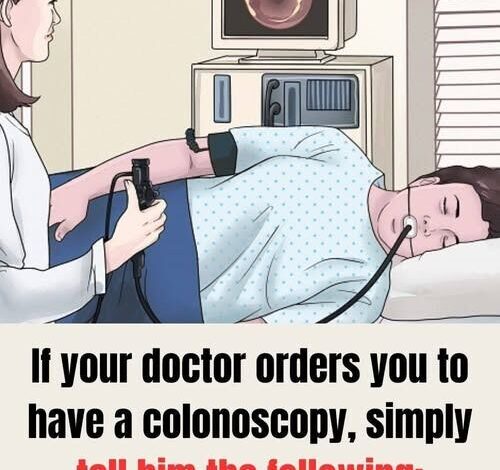
A colonoscopy is an exam of the large intestine using a thin, flexible tube with a small camera. The procedure allows doctors to:
- Examine the lining of the colon
- Detect inflammation or abnormalities
- Find and remove polyps
- Take tissue samples if needed
The procedure typically lasts 20–40 minutes, and most patients receive sedation. Many remember little or nothing afterward.
Why Doctors Recommend It
Colorectal cancer often develops slowly and without symptoms. Polyps can take 10–15 years to turn into cancer. A colonoscopy allows doctors to find and remove these growths before they become dangerous.
This makes colonoscopy unique—it can prevent cancer, not just detect it.
The Preparation
Most people agree the preparation is the least enjoyable part. It involves cleaning the colon the day before the test, usually with a special liquid and temporary diet changes.
While inconvenient, the prep is short-term and ensures the doctor can clearly see the colon during the exam.
Sedation and Comfort
A common misconception is that patients stay fully awake and uncomfortable. In reality, most receive sedation that makes them relaxed or asleep.
Many people describe the experience as similar to taking a short nap.
The One Question to Ask Your Doctor
One helpful question before the procedure is:
“What type of sedation will I receive, and what should I expect during recovery?”
Understanding sedation can reduce anxiety, help you prepare for the day of the procedure, and give you a clearer sense of what to expect.
If Polyps Are Found
Finding polyps is common and often reassuring. Most polyps are harmless, and doctors can usually remove them during the colonoscopy. Removing them greatly reduces the risk of future cancer.
Why Screening Matters
Avoiding a colonoscopy doesn’t remove risk—it only delays detection. When colorectal cancer is found early, treatment is much simpler and survival rates are significantly higher.
For many people, the screening they once feared becomes the reason serious illness was prevented.
A Preventive Step for Your Future
A colonoscopy is not just a test; it is a proactive step in protecting long-term health. While the idea may feel intimidating at first, most patients find that the process is far easier than they expected—and the peace of mind afterward is invaluable.
In the end, the goal isn’t to create fear. It’s to provide knowledge, clarity, and a simple opportunity to protect your health for years to come.