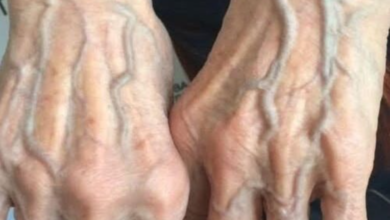
If You’ve Reached the Age of 70 and Can Still Manage to Do Just a Handful of Important Things That Most People Overlook, Then You’ve Already Achieved Something Remarkable in Life That Many Others Only Dream Of but Rarely Ever Get the Chance to Experience Fully”

Turning 70 was once seen as crossing into “old age.” But anyone who has reached this point knows that it’s less of an ending and more of a quiet new chapter. It’s a time for reflection, gratitude, and noticing the small moments that once slipped by in the rush of earlier years. While the world often glorifies youth and speed, it rarely pauses to appreciate the calm confidence, insight, and balance that can come with growing older.
The truth is simple: if you’re 70—or nearing it—and can still do these five things, you’ve already gained something many people spend a lifetime searching for.
You’ve found a meaningful way to live.
1. You Can Greet the Day Without Heavy Regrets
At this stage, true wealth isn’t found in what you own—it’s found in how you feel within.
If you wake up feeling at peace—not because life was flawless, but because you’ve accepted its ups and downs—then you possess a rare freedom. Maybe you’ve stumbled, loved deeply, lost painfully, or taken paths that didn’t lead where you expected. But if you can look back and say, “I did what I could with what I knew,” then you’ve reached a powerful kind of closure.
Often, emotional well-being later in life grows not from perfection, but from learning what to release.
And that kind of calm is beyond price.
2. You Can Move on Your Own Terms
You don’t have to run marathons or master difficult stretches. But if you can rise from bed, walk to the kitchen, reach for what you need, or step outside for fresh air without struggle, that’s something to treasure.
Being able to stroll through a park, tend to a garden, sway to a favorite tune, or kneel to play with a grandchild reflects a body that has carried you faithfully through the years.
Movement tells a story of endurance.
It whispers: I’m still here.
And that is no small gift.
3. You Can Stay Present in Conversation
There are everyday abilities we hardly notice—until they become difficult.
If you can sit with someone, share memories, follow a discussion, or offer a witty remark, then your mind remains beautifully engaged. Remembering names, recalling stories, and participating fully in moments means you are still connected—not only to others, but to your own life.
Mental clarity is more than alertness.
It’s belonging.
And that’s what keeps life vibrant.
4. You Continue to Offer More Than You Seek
With time often comes the understanding that giving can be more fulfilling than receiving.
If you find yourself listening patiently, guiding gently, supporting quietly, or sharing your experience with younger generations, then you’re living with intention. Whether it’s helping a neighbor, offering reassurance, or simply being present for someone in need, your influence matters.
Purpose doesn’t always arrive with noise.
Sometimes it arrives through steady kindness.
And that quiet generosity enriches not just others—but you.
5. You Still Find Reasons to Laugh
Not just a polite smile—but a genuine laugh that rises from deep within.
If you can laugh at memories, at yourself, or at life’s unexpected twists, then your spirit remains open. Humor is a sign that time hasn’t closed your heart.
It shows that wonder still lives in you.
And laughter, even late in life, has a way of restoring what hardship tries to take.
Growing Older Isn’t About Losing—It’s About Becoming
Many see 70 as a decline. But it can also mark a period of clarity and fulfillment.
If you can move freely, think clearly, give willingly, laugh sincerely, and look back without bitterness—then you haven’t simply grown older.
You’ve grown wiser.
These are not small achievements.
They are quiet triumphs.
They reflect a life that has endured, adapted, and found meaning along the way.
So don’t believe that reaching 70 means disappearing into the background.
You’re not fading.
You’re illuminating—softly, steadily—with the depth that comes from truly understanding what matters most.