THE MASH SECRETS REVEALED Hidden Bloopers And Heartbreaking Real Life Tragedies Behind The Most Watched Show In History

For millions of viewers who came of age in the 1970s and 1980s, the haunting strains of the MASH* theme song were more than just an opening cue—they set the tone for a show that blended humor and heartbreak in a way few series ever have. Set against the backdrop of the Korean War, the 4077th Mobile Army Surgical Hospital became a familiar world where comedy softened the edges of something far more serious. Over time, what began as a sharp, irreverent comedy evolved into a deeply human drama, even if that evolution came with its share of inconsistencies, quirks, and behind-the-scenes stories.
One of the most meaningful moments off-screen revealed just how strong the cast’s bond truly was. During the fifth season, William Christopher, who portrayed Father Mulcahy, fell seriously ill with hepatitis. At the time, television production schedules were rigid, and there was real concern that his character might be written out. Alan Alda, both the show’s lead and a key creative voice, stepped in. Knowing Christopher depended on his income—especially with a child who required medical care—Alda wrote the episode Hepatitis, weaving the illness into the story itself. It not only kept Christopher employed but added emotional depth to the series, turning a potential loss into one of its most memorable episodes.
Not every overlap between fiction and reality was so uplifting. In that same episode, a line delivered almost casually would later take on a chilling significance. During a medical exam scene, Frank Burns mentions a small tumor. Years later, actor Larry Linville passed away from cancer in that same area. While purely coincidental, the connection has long stood as one of the more unsettling moments in television lore—an instance where a scripted detail seemed to echo real life in an unexpected way.
Despite its reputation for realism, MASH* wasn’t immune to historical inaccuracies. Observant viewers and historians have pointed out several anachronisms throughout the series. For example, a model of a Huey helicopter appears in Colonel Blake’s office, even though that aircraft wasn’t introduced until after the Korean War had ended. Music choices occasionally reflected the era the show was produced rather than the era it portrayed, with songs referenced that hadn’t yet been released in the early 1950s.
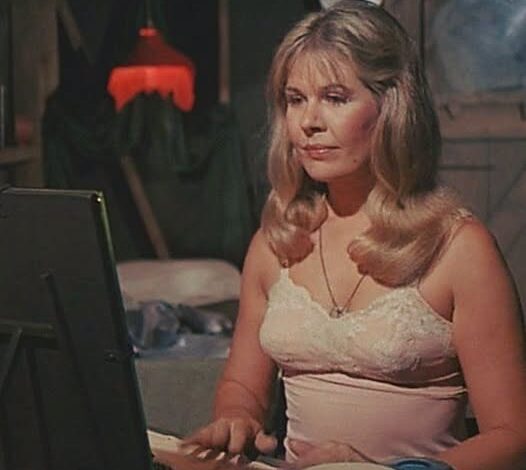
The same could be said for the characters’ appearances. As the show progressed, hairstyles and grooming reflected late-1970s trends more than military regulations of the time. While characters like Colonel Potter and Major Winchester maintained a more traditional look, others drifted from strict period accuracy. Loretta Swit’s portrayal of Major Margaret Houlihan also included details—like long nails—that wouldn’t have been typical for a combat nurse.
Yet Swit played a key role in reshaping her character in more meaningful ways. Early in the series, Margaret was often reduced to the nickname “Hot Lips,” something Swit herself pushed back against. Over time, she worked with writers to develop Margaret into a more complex and respected figure. That shift became especially clear in later episodes, where her character showed vulnerability, strength, and independence beyond the early stereotypes.
Cast changes also had a lasting impact on the show’s tone. When McLean Stevenson left, his character, Colonel Henry Blake, was written out in a way that shocked audiences—killed in a sudden plane crash. The emotional response from viewers was intense, leading producers to avoid similar endings for departing characters in the future. When Gary Burghoff exited as Radar, his departure was handled more gently, marking a quieter transition and signaling a shift away from the show’s earlier, more lighthearted tone.
Even central details about characters evolved over time. Hawkeye Pierce’s backstory, for instance, changed across seasons—his hometown and family structure weren’t always consistent. But for most viewers, those discrepancies didn’t matter. What kept them invested wasn’t strict continuity, but the emotional honesty of the storytelling.
When MASH* finally came to an end with Goodbye, Farewell and Amen, it did so on a scale few shows have matched. The finale became the most-watched television event in history at the time, bringing closure to characters audiences had followed for over a decade. Moments like the farewell between Hawkeye and Margaret captured the depth the show had reached.
In the end, MASH* wasn’t remembered for its minor flaws or historical slip-ups. It was remembered for its humanity—for the way it balanced humor with loss, and for the relationships that felt real enough to outlast the screen.