Your Kidneys Could Be Failing Right Now Without You Knowing, Here is What Most People Miss Until It is Too Late

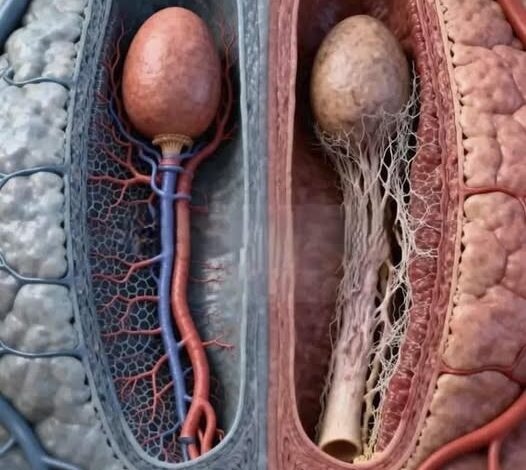
Most people rarely think about their kidneys.
There’s no daily sensation reminding you they’re there, no immediate discomfort that draws attention to their work. Unlike your heart, which you can feel pounding, or your lungs, which make themselves known when breathing becomes difficult, your kidneys operate quietly—almost invisibly—in the background.
And that silence is exactly what makes them so easy to overlook.
The organs that never take a break
Every moment of every day, your kidneys are working. They filter your blood, remove waste, balance fluids, regulate essential minerals, and help control blood pressure. They even play a role in producing hormones that support red blood cell formation.
In many ways, they function as your body’s internal purification system.
Yet despite how critical they are, they rarely signal distress—at least not early on.
The danger of silent damage
Kidney problems don’t usually begin with pain or obvious symptoms. Instead, they develop gradually, often going unnoticed for months or even years. By the time signs like swelling, fatigue, or changes in urination appear, the damage may already be advanced.
That’s what makes kidney health both crucial and often neglected.
They don’t warn you when they’re under strain.
They simply keep working—until they can’t.
Everyday habits that add up
Modern lifestyles place more pressure on the kidneys than many people realize.
Diet is one of the biggest factors. Processed foods, now common in many households, are often packed with sodium and added sugars. Too much salt forces the kidneys to work harder to maintain fluid balance, while excess sugar contributes to conditions like diabetes—one of the leading causes of kidney disease.
These effects don’t happen overnight.
They build slowly, quietly, over time.
Hydration is another key element that’s frequently underestimated. The kidneys rely on adequate fluid intake to filter waste efficiently. When the body is consistently dehydrated, that process becomes less effective, forcing the kidneys to operate under stress.
Even mild dehydration—something as simple as not drinking enough water during the day—can contribute to long-term strain if it becomes a habit.
The hidden role of inflammation and stress
Chronic, low-grade inflammation is another factor that often goes unnoticed. Linked to poor diet, inactivity, and stress, this type of inflammation can gradually damage tissues throughout the body, including the kidneys.
At the same time, stress itself affects hormone balance, which can indirectly impact kidney function. Over time, these subtle disruptions can accumulate, placing additional pressure on an already complex system.
Physical inactivity compounds the problem. Without regular movement, blood pressure and metabolic health can decline—both of which are closely tied to kidney health.
Medications and overlooked risks
Another often-missed factor is medication use.
Many people take over-the-counter pain relievers or prescription drugs regularly without considering their long-term effects. While these medications can be helpful and necessary, frequent or excessive use—especially of certain painkillers—can affect kidney function over time.
This doesn’t mean avoiding medication altogether.
It means using it thoughtfully, understanding dosages, and being aware of potential risks.
Prevention is simpler than treatment
The challenge with kidney health is that it doesn’t demand attention until it becomes urgent.
And by then, the focus often shifts from prevention to management.
But the good news is that protecting your kidneys doesn’t require complicated changes—just consistent habits.
Drinking enough water helps maintain efficient filtration. Eating a balanced diet rich in whole foods reduces unnecessary strain. Regular physical activity supports circulation and blood pressure. Routine check-ups allow early detection of problems before they become serious.
Small actions, repeated daily, make a significant difference over time.
Awareness makes the difference
Perhaps the most important step is simply recognizing how much your kidneys do—and how quietly they do it.
They don’t ask for attention.
They don’t demand it.
But they rely on it.
When they begin to struggle, the effects ripple throughout the body, affecting energy levels, cardiovascular health, and overall well-being.
Ignoring them is easy.
Protecting them is not complicated.
And often, the difference between the two determines long-term health.
Because the most serious health issues aren’t always the loudest.
Sometimes, they’re the ones that develop in silence.