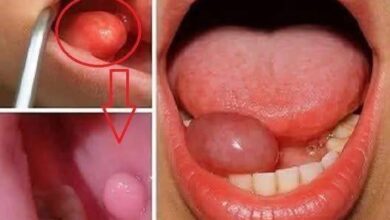
Discovering a Sudden Translucent or Bluish Bump on Your Lower Lip or Inside Your Mouth: The First Symptoms of a Common Benign Oral Mucocele Most People Panic Over But Rarely Requires Serious Medical Intervention

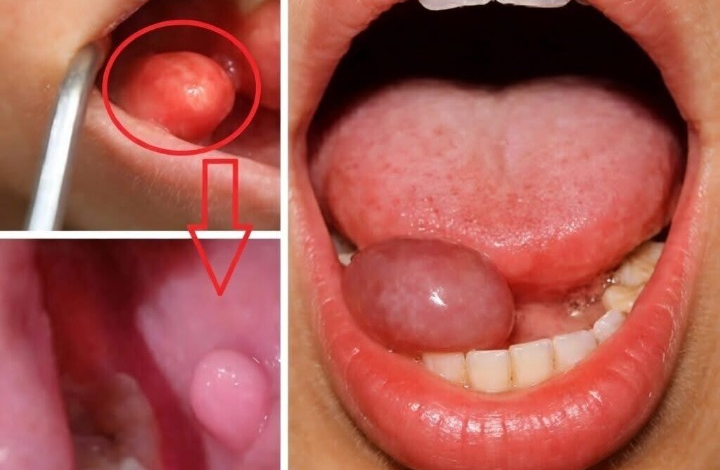
Discovering a Sudden Translucent or Bluish Bump in Your Mouth: Understanding Oral Mucoceles
That moment when you notice a smooth, fluid-filled bump on your lower lip or inside your mouth can be alarming. Whether you see it in the mirror or feel it with your tongue, the sudden appearance of a glossy, bluish or pinkish swelling often triggers immediate concern. However, in most cases, what you’re seeing is something far less serious than it appears—a common and benign condition known as an oral mucocele.
Mucoceles, also called mucous cysts, are among the most frequent minor salivary gland conditions. They affect approximately 2.4 out of every 1,000 people and are especially common in children, teenagers, and young adults. Despite their sometimes striking appearance, they are almost always harmless and rarely require aggressive treatment.
What Does a Mucocele Look and Feel Like?
The first sign of a mucocele is usually a soft, round swelling that feels like a small water-filled balloon under the skin. It can appear suddenly, sometimes without any clear cause. Sizes vary widely—from tiny bumps just a few millimeters across to larger swellings over a centimeter that are more noticeable during talking or eating.
Color can differ depending on depth:
- Superficial mucoceles often appear clear, bluish, or pearly.
- Deeper ones may look pink or slightly red.
Most mucoceles are painless, though larger ones may feel uncomfortable or interfere slightly with speech or chewing. A key feature is that they may change in size, sometimes shrinking or even bursting and releasing a clear, sticky fluid—only to refill later.
They most commonly occur on the inner lower lip, but can also appear on the cheeks, underside of the tongue, floor of the mouth (where larger ones are called ranulas), or gums.
What Causes a Mucocele?
Mucoceles typically form due to minor trauma to a salivary gland duct. This can happen from:
- Lip or cheek biting
- Accidental injury while eating
- Braces or dental appliances
- Lip piercings
- Friction from sharp teeth
When the duct is damaged, saliva leaks into surrounding tissue, forming a small, fluid-filled sac. In other cases, the duct may become blocked, causing saliva to build up behind it.
Importantly, mucoceles are:
- Not cancerous
- Not contagious
- Not caused by infection
They are simply a mechanical issue within the mouth.
How Are They Diagnosed?
Most mucoceles are diagnosed visually by a dentist or oral specialist. Their appearance—soft, dome-shaped, and often bluish—is usually enough for identification.
If the lesion looks unusual, persists for a long time, or behaves differently (such as growing rapidly or becoming painful), further evaluation may be done to rule out other conditions. In rare cases, a small biopsy may be performed for confirmation.
Do Mucoceles Need Treatment?
In many cases, no treatment is needed.
Small mucoceles often resolve on their own within a few weeks. During this time, it’s best to:
- Avoid biting or irritating the area
- Maintain good oral hygiene
- Use gentle saltwater rinses if needed
If the mucocele:
- Persists
- Grows larger
- Causes discomfort
- Keeps coming back
Then treatment options may include:
- Laser removal
- Cryotherapy (freezing)
- Minor surgical excision (removal of the cyst and affected gland)
These procedures are typically quick, performed under local anesthesia, and have excellent outcomes.
Can They Come Back?
Recurrence is possible, especially if the underlying cause—like repeated biting—is not addressed. However, when the affected gland is properly removed, recurrence rates are relatively low.
How Can You Prevent Them?
Prevention focuses on reducing irritation and trauma:
- Be mindful of lip or cheek biting
- Address sharp or broken teeth
- Ensure dental appliances fit properly
- Maintain good oral hygiene
- Manage stress-related habits
The Bottom Line
While the sudden appearance of a bump in your mouth can feel alarming, an oral mucocele is usually a harmless and temporary condition. Understanding what it is—and what it isn’t—can replace fear with reassurance.
If you ever feel unsure, a quick visit to a dentist can provide clarity and peace of mind. In most cases, what starts as a worrying discovery turns out to be a minor issue with a simple solution—and a reminder of how resilient the body can be.