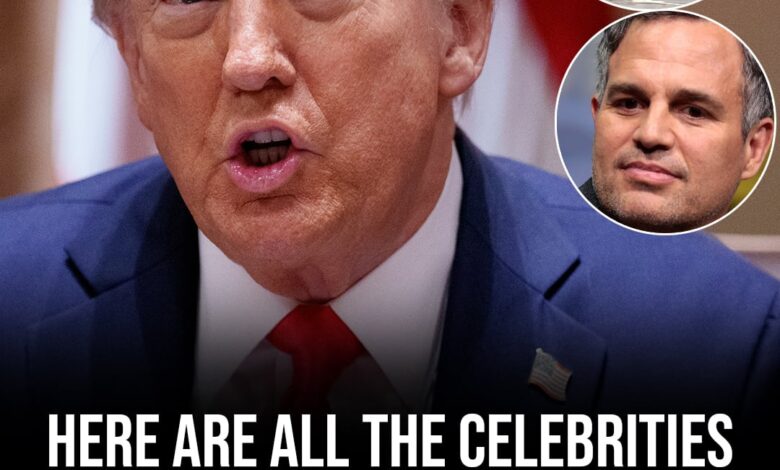
From Jack White’s blistering Instagram critique to Rosie O’Donnell’s sharp condemnation, the tenor of celebrity commentary on the recent U.S. strikes on Iran shows a shift from satire toward alarmed denunciation. White mocked the president’s posture and rhetoric, calling out what he sees as hypocrisy in declaring peace while authorizing extensive military action. He sarcastically dubbed Trump the “leader of the ‘Board of Peace,’” questioning the motives and human cost of the campaign.
O’Donnell, who has long been a vocal Trump critic, echoed broader disappointment with what she described as a betrayal of earlier peace-oriented rhetoric. She asserted that he “lies only and always,” framing the military strikes as inconsistent with the image he once projected.
Other public figures further amplified this sense of deep concern. Stephen King called on Congress to act, arguing that only lawmakers have constitutional authority to declare war and demanding accountability. John Cusack characterized the escalation as a “wag-the-dog war,” implying it served distraction more than genuine security interests. Carrie Coon quipped that the administration had become a literal “Department of War.”
Even voices usually aligned with Trump’s broader political orbit have broken ranks. Former Fox News host Tucker Carlson reportedly labeled the strikes “disgusting and evil,” reflecting unease among some conservative figures about foreign entanglements that contradict prior “America First” promises.
Across social media and public platforms, this chorus of criticism — spanning artists, authors, comedians, and commentators — underscores a broader fear: that the current conflict may be driven less by strategic necessity than by ego, distraction, and unresolved political tensions. While many ordinary citizens and public figures watch anxiously as the situation unfolds, supporters of the military action maintain it was necessary to confront perceived threats. The divide over these responses highlights how deeply contested the strikes have become in American cultural and political discourse.