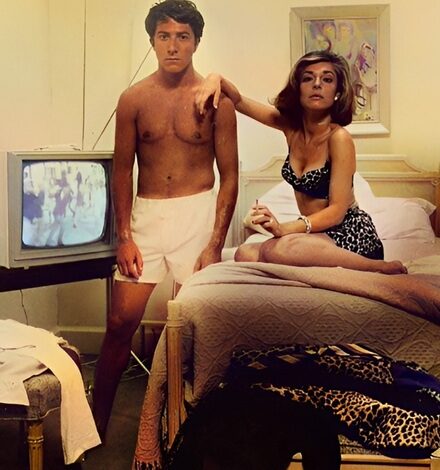
Well before terms like “MILF” or “cougar” became part of popular slang, The Graduate hit theaters and quickly turned into a cultural milestone, leaving a lasting mark on audiences and shaping storytelling for years to come.
Premiering in late 1967, the film emerged during a time of major social change, when younger generations were beginning to challenge established norms, authority, and expectations about adulthood—making its themes feel especially timely and powerful.
Directed by Mike Nichols, the story follows Benjamin Braddock, a recent college graduate who feels lost about his future and finds himself caught in a complicated relationship with an older, married woman.
Dustin Hoffman’s performance as Benjamin struck a perfect balance between comedy and sincerity. His social awkwardness, inner conflict, and uncertainty about what lies ahead made him both funny and deeply relatable to audiences.
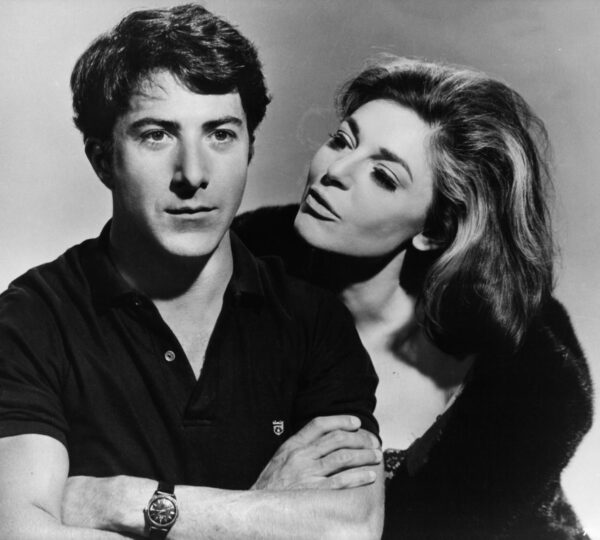
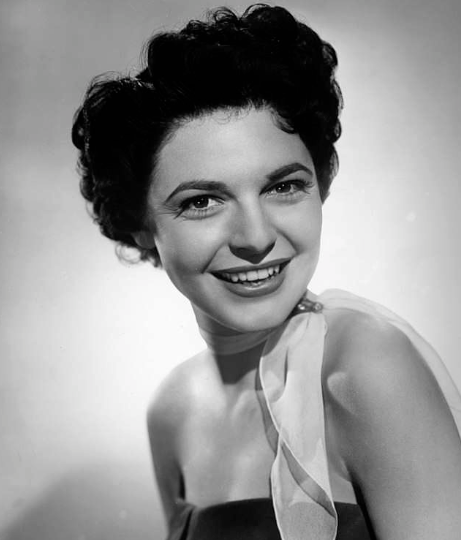
Anne Bancroft gave a standout performance as Mrs. Robinson, infusing the character with elegance, mystery, and a surprising emotional complexity that made her far more than just a figure of temptation.
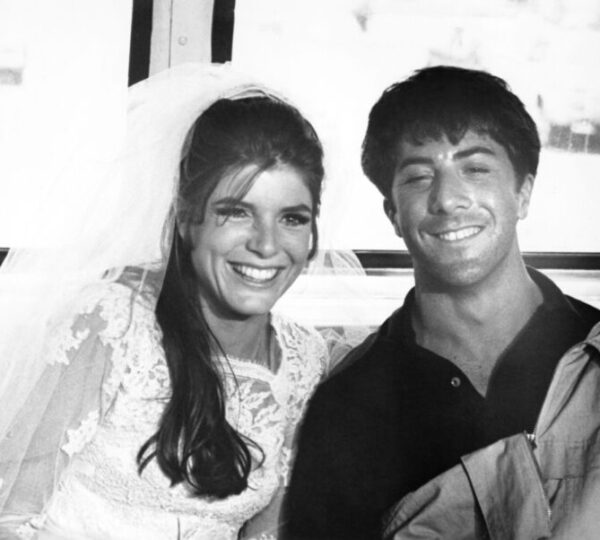
Meanwhile, Katharine Ross portrayed Elaine Robinson with a blend of naivety and quiet strength, allowing her character to evolve in a way that added depth to the film’s relationships and heightened its emotional impact.
Interestingly, the film we know today could have looked very different. Robert Redford was once in the running to play Benjamin and even did a screen test alongside Candice Bergen. However, Mike Nichols wasn’t convinced Redford could embody the kind of awkward insecurity the role required.
Nichols reportedly told him that the character needed someone who could convincingly appear unsure and uncomfortable in romantic situations, leading him to continue his search until he found Dustin Hoffman, who was largely unknown at the time.
Even Hoffman’s own audition nearly didn’t happen. When he showed up at producer Joseph E. Levine’s office, Levine initially mistook him for a window cleaner. Hoffman humorously went along with it, pretending to clean a window before the mix-up was cleared and he got his chance.
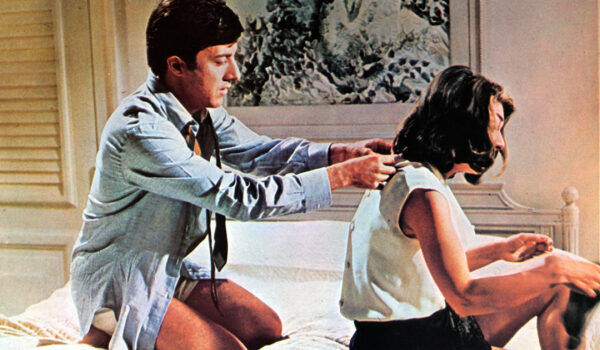
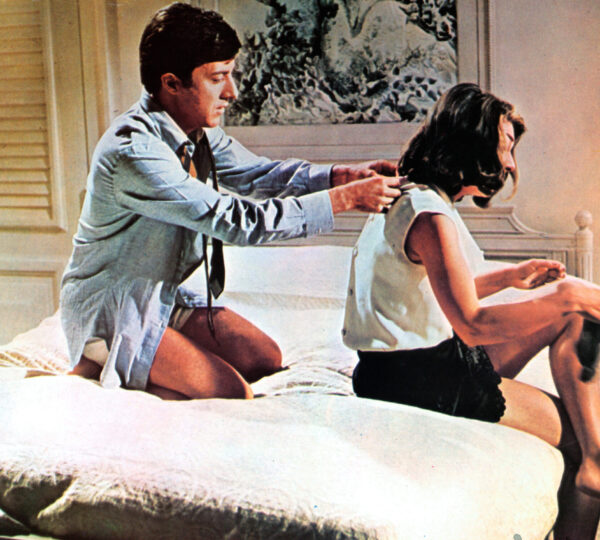
After Hoffman secured the role, unexpected moments during rehearsals helped shape the film’s tone. In an early rehearsal of the well-known hotel room scene, he improvised a bold, awkward gesture that caught everyone off guard and made director Mike Nichols laugh.
Instead of cutting the moment, Nichols recognized its authenticity and comedic value, choosing to keep it in the final version. It ultimately added to the scene’s uneasy humor and sense of realism.
Before Anne Bancroft was cast as Mrs. Robinson, several prominent actresses were considered for the part, including Jeanne Moreau and Susan Hayward. Doris Day was also approached but reportedly declined due to the film’s more provocative elements.
At the time of filming, Bancroft was around 36—only a few years older than Dustin Hoffman and not much older than Katharine Ross—despite her character being portrayed as part of an older generation.
Through performance, styling, and makeup, the film successfully created a believable generational divide, highlighting how cinema can shape audience perception.
When The Graduate premiered, it quickly became a massive hit. Earning over $104 million at the North American box office, it stood as the highest-grossing film of 1967.
At that point in history, only a handful of movies—such as Gone with the Wind and The Sound of Music—had ever reached that milestone, emphasizing just how remarkable its success truly was.
Critics and audiences alike praised the film, and it received seven Academy Award nominations, including Best Picture. Nichols won the Oscar for Best Director, cementing his place among Hollywood’s most influential filmmakers.
While The Graduate is now celebrated as a cinematic masterpiece, initially some critics focused on the generational clash and the way the film mirrored the anxieties of young adults in the late 1960s.
Iconic lines like “Mrs. Robinson, you’re trying to seduce me, aren’t you?” remain etched in film history, repeated by fans and referenced in popular culture for decades.
The film’s lingering final scene, where Benjamin and Elaine flee the wedding and share an uneasy silence on a bus, has been subject to much interpretation, illustrating the film’s emotional complexity.
Behind the camera, The Graduate also broke new ground with its use of music. Rather than relying solely on an original score, Nichols incorporated existing songs by Simon & Garfunkel, an unusual choice at the time.
Simon & Garfunkel’s music — including “The Sound of Silence” and the hit single “Mrs. Robinson” — became inseparable from the film’s identity and helped elevate the songs to timeless status.
Interestingly, “Mrs. Robinson” was not originally written for the movie. Paul Simon adapted it during production after Nichols decided the song fit the film’s themes and emotional tone.
The soundtrack itself became a commercial success. The album, released in 1968, not only supported the film but also earned critical acclaim and Grammy awards for its folk‑rock fusion.
The Graduate’s visual style also contributed to its lasting impact. Nichols and cinematographer Robert Surtees employed innovative camera techniques that mirrored Benjamin’s emotional state and sense of disorientation.
Certain camera moves, such as long telephoto shots or atypical character blocking, subtly reinforced the film’s themes, making Ben seem stuck or moving against the flow of those around him.
Even now, nearly six decades later, film lovers discover new layers of meaning in the movie’s storytelling, character dynamics, and social commentary, proving the film’s enduring relevance.
Over the years, cinephiles have also identified small goofs and continuity mistakes, such as mismatched props and camera angles, which only add to the classic’s charm without diminishing its power.
Some eagle‑eyed viewers have noticed continuity quirks, like objects shifting position between shots or geographical inaccuracies in establishing scenes, but these minor issues have little impact on the film’s legacy.
The Graduate has continued to influence film, television, and popular culture in countless ways, from parodies in sitcoms to homage scenes in animated shows, demonstrating its broad cultural reach.
TV & Video
Its success also helped launch the careers of Hoffman and Ross, establishing them as major talents in Hollywood and opening doors to a wide range of future roles.
Anne Bancroft’s career also achieved lasting recognition thanks to her performance, though she later said the role sometimes overshadowed her other work, illustrating the paradox of iconic roles.
Ultimately, The Graduate remains a landmark film not only for its story but also for its ability to capture a moment in American culture while remaining timelessly relevant.
Its clever blend of comedy, drama, music, and social observation continues to captivate new generations of viewers and filmmakers alike, reinforcing its place in the cinematic canon.