The Nightly Nightmare Of Numbness Why Your Hands Keep Falling Asleep And The Hidden Health Warnings You Must Never Ignore Before Permanent Damage Sets In

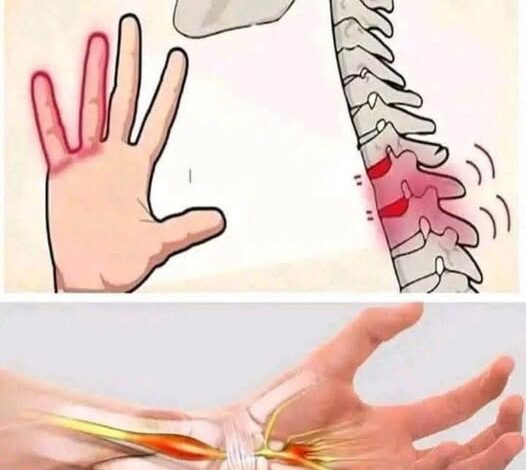
It’s a strange, almost universal experience: you fall asleep comfortably, only to wake up with your hand feeling completely numb—or buzzing with that sharp, prickly “pins and needles” sensation. It can be unsettling, even a little alarming. But in most cases, what you’re feeling has a clear and temporary explanation. This sensation is called paresthesia, and it’s essentially your body’s way of telling you that something disrupted normal nerve communication.
Despite how it feels, your hand isn’t actually “asleep.” What’s really happening is a temporary interruption in the signals traveling between your nerves and your brain. Your nervous system works like an intricate network of electrical wiring. When you sleep in a position that puts pressure on a nerve—like lying on your arm or bending your wrist awkwardly—you’re compressing that pathway. It’s similar to stepping on a hose: the flow doesn’t stop permanently, but it’s restricted.
When that pressure builds, your brain stops receiving clear signals from the affected area, which results in numbness. Then, once you shift your position and the pressure is released, signals rush back all at once. That sudden “reconnection” is what creates the tingling or prickling feeling.
Blood flow also plays an important role in this process. Your nerves rely on a steady supply of oxygen and nutrients delivered through your bloodstream. When you compress part of your body, you can also temporarily reduce circulation in that area. Without enough oxygen, nerve function slows down, adding to that heavy, lifeless feeling. As soon as blood flow returns, the nerves “wake up,” often producing that intense tingling sensation before everything feels normal again.
For most people, this happens occasionally and isn’t a cause for concern—it’s simply the result of an awkward sleeping position. But if it happens frequently or feels different than usual, it could point to something more significant.
One common condition linked to recurring hand numbness is carpal tunnel syndrome, where a nerve in the wrist becomes compressed, often due to repetitive movements or inflammation. This can cause nighttime tingling, especially if your wrists are bent while you sleep.
Another possibility is nerve damage related to conditions like diabetes, where prolonged high blood sugar affects nerve health over time. In these cases, the numbness may become more persistent rather than occasional.
There are also neurological conditions—such as issues in the spine or disorders affecting the nervous system—that can produce similar sensations. If numbness happens without any clear cause, spreads, or comes with weakness or coordination problems, it’s worth taking seriously.
The good news is that simple changes can often reduce or prevent these episodes. Adjusting your sleep position can make a big difference—try to avoid putting pressure on your arms or wrists for long periods. Using supportive pillows can help keep your body aligned and reduce compression.
During the day, small habits matter too. If you spend hours typing or using your hands repetitively, take breaks to stretch and move your wrists. Even your posture plays a role—tension in your neck or shoulders can affect nerve pathways that run down into your arms.
Loose clothing and avoiding tight accessories like snug watches or bracelets can also help keep circulation flowing freely, especially at night.
In most cases, waking up with a numb hand is harmless—a brief disruption your body quickly corrects. But your body is always communicating with you, even in subtle ways. If the sensation becomes frequent, lasts longer than usual, or feels different, it’s worth paying attention.
Your sense of touch depends on a delicate balance of nerve signals and blood flow. Taking care of that system—through movement, posture, and awareness—helps ensure that what starts as a minor inconvenience doesn’t turn into something more serious.