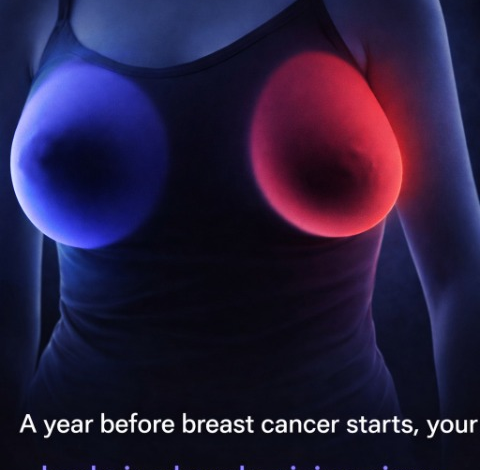
Changes in the breasts or nearby areas are not always a sign of Breast Cancer, but they can indicate shifts in the mammary glands that should not be overlooked. The body often provides early signals, and paying attention to them can make a meaningful difference in long-term health.
One notable sign is a lump or swelling in the armpit. Lymph nodes in this area can become enlarged due to infection, but if a lump persists, grows, or feels hard and immobile, it should be checked by a medical professional. In some cases, abnormal breast cells may appear in these nodes at an early stage.
Changes within the breast itself can also serve as warning signs. These may include ongoing localized pain, thickening of the skin, alterations in size or shape, unusual nipple discharge, redness, dimpling, or a texture similar to an orange peel. While many of these symptoms are often linked to non-cancerous conditions, they still require proper evaluation.
Accurate diagnosis is only possible through medical testing. Clinical examinations, imaging methods like ultrasounds and mammograms, and, when necessary, biopsies help determine whether a condition is benign or requires treatment. These steps not only guide care but also help reduce uncertainty.
Regular self-examinations play an important role in awareness. Performing a monthly breast self-check allows individuals to become familiar with what is normal for their body, making it easier to notice changes. This is typically best done shortly after menstruation or on a consistent date each month.
From around age forty, routine mammograms are generally recommended. Depending on personal and family risk factors, healthcare providers may suggest screening every one to two years. These screenings can detect abnormalities long before symptoms develop.
Early detection is key. When Breast Cancer is identified at an early stage, treatment options are broader, outcomes are often better, and both physical and emotional impacts can be reduced.
Maintaining healthy habits also supports breast health. A balanced diet, regular physical activity, limiting alcohol intake, and managing stress all contribute to overall well-being. If anything feels unusual, seeking medical advice promptly is one of the most effective steps toward protection and peace of mind.