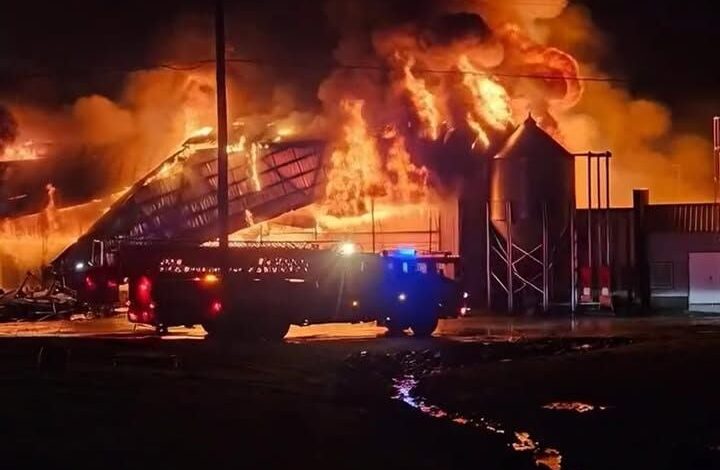
The fire that ripped through Pamplona Alta did more than consume timber, brick, and corrugated metal—it tore apart the delicate fabric of security that had bound the community together for decades. Homes that once offered shelter and comfort were reduced to smoldering ruins. Families who had grown up sharing walls, yards, and daily routines suddenly found themselves scattered, living in temporary tents, leaning on borrowed blankets, and navigating the uncertainty of survival.
In the shadow of the flames, neighbors exchange stories of loss that extend far beyond material possessions. One mother mourns the medicine she can no longer afford, another laments school uniforms and supplies gone up in smoke, while an elderly couple clutches the ashes of legal documents that defined their lives. For many, the most painful loss is intangible: photographs of relatives now gone, heirlooms, and the sense of permanence and safety that had once been taken for granted. Amid the devastation, survivors experience a bitter duality—gratitude for having escaped with life intact, mingled with the deep ache of everything else that is gone.
As investigators work to determine whether illegal pyrotechnics played a role, and as local authorities coordinate emergency aid, a more sobering reality lingers above the smoke: this fire did not erupt in isolation. It is the inevitable result of years of structural vulnerability, overcrowded housing, insufficient oversight, and dangerous practices that had been quietly tolerated. Every charred wall and ruined roof tells the story of risks that were known, but unaddressed, until it was too late.
Rebuilding will take far more than carpenters, bricks, and corrugated sheets. It will demand rebuilding trust—trust between residents and authorities, trust that the systems meant to protect them will not fail again. Recovery will require the implementation of stronger regulations, better monitoring of hazardous activities, and community programs that prevent residents from being forced into unsafe conditions out of necessity. And it will demand a reckoning with the inequalities and systemic neglect that allowed this disaster to find fertile ground.
For the people of Pamplona Alta, every small victory counts. The first rebuilt home, the first school reopened, the first neighbor welcomed back into a repaired street are not just milestones—they are lifelines. They signify that life can continue, even after devastation, and that resilience, solidarity, and vigilance may finally begin to replace the fragile complacency that allowed this tragedy to unfold.
The fire may have destroyed what was visible—the walls, the roofs, the belongings—but it also illuminated what had always been vulnerable: the invisible networks of safety, trust, and community cohesion. If Pamplona Alta can learn from this, if the authorities and citizens can work together, then perhaps the next disaster will meet not fear and loss, but preparation, protection, and a community fortified against the flames.